






































As hybrid work continues to shape the future of employment across industries, the role of desktop computers is evolving. The introduction of new hybrid work desktops marks a significant shift from traditional models, transforming into smart, AI-powered productivity centers. This development is poised to gain traction by 2025, with these devices featuring built-in AI agents, voice-controlled workflows, and optimized video conferencing capabilities designed for seamless collaboration in flexible workspaces.
Hybrid work desktops are essentially all-in-one PCs tailored for distributed work environments. Unlike conventional desktops that separate computing hardware from displays, speakers, and webcams, these devices integrate all essential components into a single unit. This design not only reduces clutter but also simplifies setup, catering to professionals who rely heavily on virtual communication and multitasking.
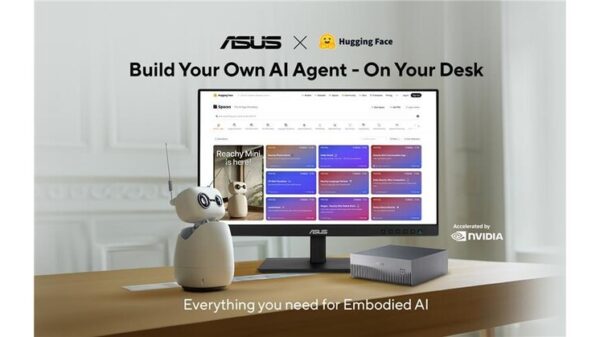
At the heart of these next-generation desktops are embedded AI agents that operate at the system level. Unlike external applications, these assistants are integrated into the operating system, allowing for a deeper interaction with files, calendars, and communication tools. Capable of summarizing documents, drafting emails, scheduling meetings, and providing real-time insights, these AI agents shift the nature of desk operations from passive to proactive, significantly enhancing productivity.
Voice control emerges as a pivotal feature, enabling hands-free operation in busy environments. With built-in microphones and sophisticated speech recognition, users can execute commands using natural language, whether it involves opening applications, organizing files, or initiating meetings. This increased accessibility not only improves efficiency for professionals managing multiple tasks but also provides a user-friendly workstation for individuals with mobility challenges.
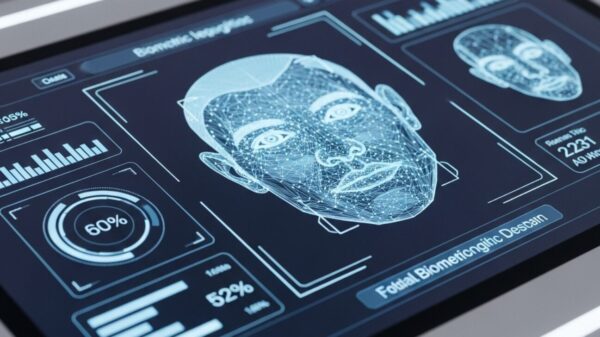
Video conferencing is critical in a hybrid work model, and modern all-in-one desktops are designed with this necessity in mind. AI-optimized cameras enhance virtual meetings by automatically adjusting settings such as lighting, focus, and framing. Features like auto-framing ensure users remain central in the view, while background blur and noise cancellation reduce distractions. Furthermore, advanced capabilities like eye-contact correction and facial recognition streamline secure logins, creating a more engaging meeting experience for remote participants.
These desktops are engineered to handle demanding workloads, including data analysis and creative projects. Incorporating energy-efficient processors and built-in graphics ensures consistent performance without excessive energy consumption. With AI acceleration hardware, such as neural processing units, these devices support on-device AI functions while maintaining user privacy and minimizing latency.
Acknowledging the increased capabilities of AI comes with heightened concerns around security and privacy. To address potential vulnerabilities, hybrid work desktops are equipped with built-in security measures such as biometric authentication and encrypted storage. Many AI processes occur locally, thus limiting the need to transmit sensitive data to the cloud. Additionally, AI agents can detect unusual activities, manage updates, and remind users of best practices, which is crucial in diverse network environments where sensitive information is exchanged.
Beyond enhancing individual productivity, these AI-powered desktops facilitate collaboration and foster a cohesive company culture. Integrated tools simplify transitions between personal and shared workspaces, while AI agents help manage team schedules and summarize meetings. This streamlined approach minimizes friction in cooperative efforts, ensuring continuity whether employees are working remotely or on-site.
Despite the promising features of hybrid work desktops, challenges to adoption persist. High costs can deter small businesses or individual users, while concerns regarding reliance on AI, data transparency, and long-term support linger. Users who favor laptops may question the relevance of desktops in a mobile-first world. Addressing these barriers will necessitate clear communication of benefits, robust privacy protections, and flexible deployment strategies.
As organizations adapt to hybrid work models, the potential for all-in-one desktops is linked to advancements in AI and hardware efficiency. Future iterations may offer enhanced personalization, multimodal interactions, and deeper integration with cloud-based enterprise platforms. As AI agents grow more sophisticated, they may take on increasingly complex tasks, redefining how professionals engage with their devices.
In conclusion, the emergence of hybrid work desktops equipped with built-in AI agents represents a transformative shift in workplace computing. By merging smart assistance, voice-controlled workflows, and AI-optimized video capabilities, these all-in-one PCs are set to redefine productivity and collaboration in flexible environments. As businesses refine their hybrid strategies, these intelligent desktops will play a crucial role in navigating the complexities of modern work.
See also OpenAI Reveals Live Demo for New AI Product Beyond GPT-5 on May 13
 Facebook Launches AI-Powered Marketplace Features, Boosting Social Shopping for 200M Users
 Top 10 AI Tools Driving Business Growth and Automation with Proven ROI
 Microsoft Offers AI Exposure with Minimal Risk as Azure Revenue Surges 40% Year-Over-Year
 72% of Analyzed Android AI Apps Expose Secrets, Revealing Major Security Flaws