


































Major creative software developers are increasingly investing in artificial intelligence (AI), with Adobe leading the way by integrating its generative AI models, Firefly, into established applications such as Photoshop and Illustrator. Despite facing scrutiny, Adobe maintains that its AI enhancements are proving popular among users. However, the suitability of AI image generation for all creative applications is still a matter of debate.
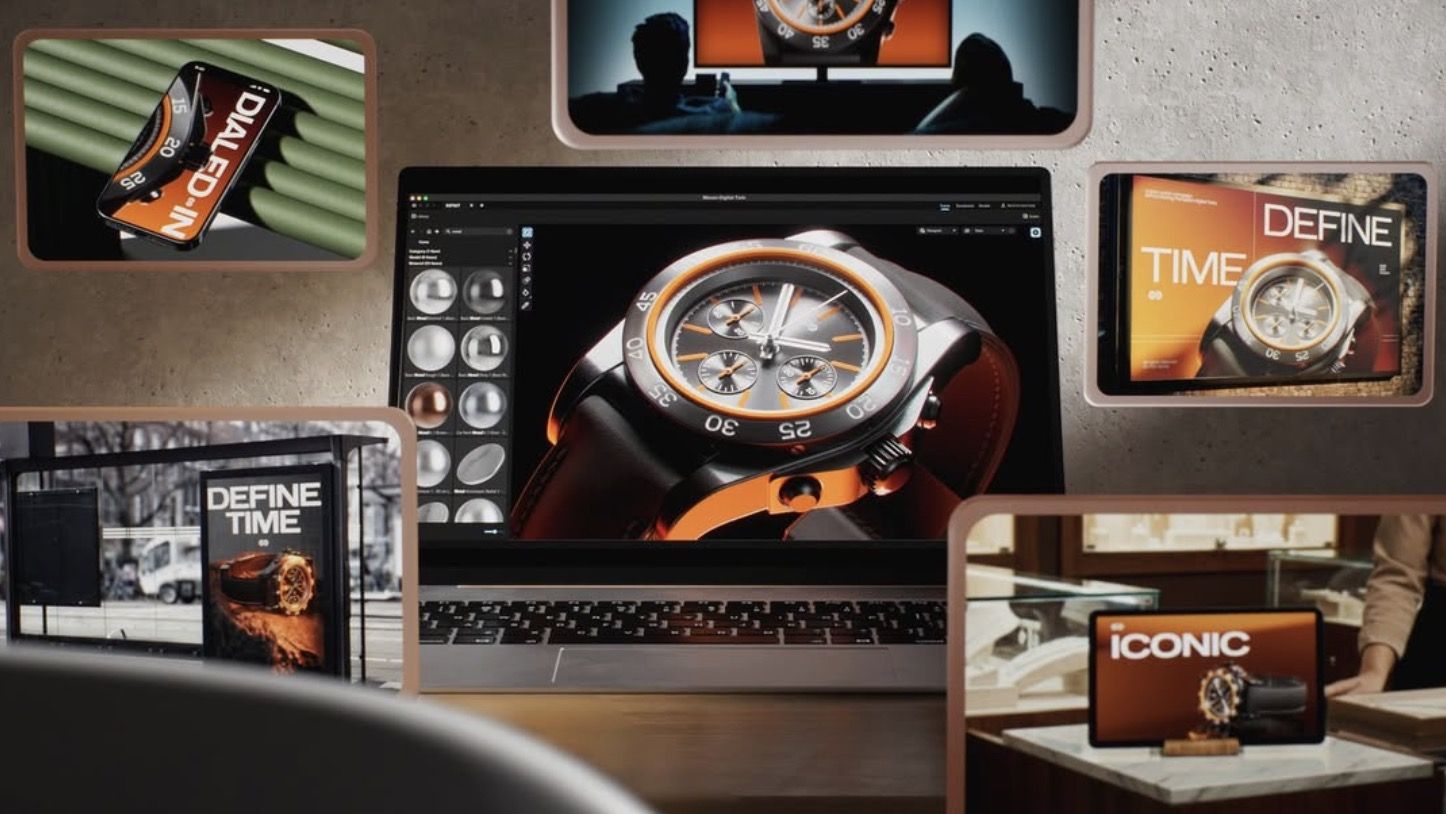
In a recent push to incorporate AI, Maxon, the parent company of renowned 3D software ZBrush and Cinema 4D, unveiled its latest product, Maxon Digital Twin, at CES 2026 in Las Vegas. The company has been vague about the specifics of the tool, leaving many 3D artists unimpressed and uncertain whether it will function as an enhancement to existing applications or as a standalone product.
According to Maxon, Digital Twin aims to transform 3D product models into “marketing-ready assets with AI-generated backgrounds,” while preserving the accuracy of the product through automated adjustments in lighting, reflections, and perspective. Despite these ambitious claims, the announcement has met with considerable backlash from the artistic community. Many users have expressed discontent on social media, questioning Maxon’s decision to prioritize new AI features over long-awaited improvements to existing tools.
Comments from users on the ZBrush X account reflect widespread dissatisfaction, with one artist questioning whether the focus on generative AI signals a lack of budget for further development of ZBrush. Another user lamented the inability to undo certain actions in the software, sarcastically suggesting that the introduction of AI features was not a necessary improvement.
The reception of Maxon Digital Twin has revealed deeper concerns within the artistic community regarding the company’s engagement with its user base. Several comments emphasized a perceived disconnect between the software developers and the needs of artists. One user noted, “Do any of these art software companies even look or read what their users or artists say, like, even a little bit?”
Questions about the underlying AI model and the training data used for Maxon Digital Twin have also arisen, with some users citing these uncertainties as justification for their preference for a perpetual license over a subscription model. Moreover, a few artists have suggested migrating to alternative software, such as Blender, in response to Maxon’s recent developments.
It remains unclear whether Digital Twin will be integrated into ZBrush, which Maxon acquired through its purchase of Pixologic in 2021. The choice to announce the tool on the ZBrush account might not have effectively reached its intended audience, given ZBrush’s established focus on 3D artistry. While AI can certainly streamline workflows, critics argue that this new tool seems more designed to bypass artist involvement altogether.
Adobe’s strategy of targeting a broader market, including marketers alongside artists and designers, appears to be influencing Maxon’s approach. As the AI landscape continues to evolve, the artistic community is left to grapple with the implications of these technological advancements. The tension between innovation and user feedback may shape the future trajectory of creative software development, posing significant questions about the priorities of companies like Maxon in the rapidly changing digital art ecosystem.
See also AI Weather Forecasting Tools Underperform in Predicting Extreme Events, Study Finds
 Top 10 AI Automation Tools for 2026: Streamline Workflows and Boost Efficiency
 Doximity Valuation Remains Undervalued at $46.49 Despite 4.99% Gains and AI Tools Launch
 Intelligent Tools Transform Remote Work, Boosting Productivity by 30% for Teams
 AI Adoption in Mineral Exploration Surges to 77% But Faces Key Adoption Challenges