










































As board-level engagement in cybersecurity intensifies, security teams are increasingly integrated into executive discussions surrounding resilience, risk management, and operational continuity. This trend is underscored by the Voice of Security 2026 report from Tines, which highlights the growing reliance on artificial intelligence (AI), automation, and workflow tools in routine security operations. With these technologies now seen as essential, security professionals are expected to leverage AI in their day-to-day tasks.
In the past year, larger enterprises have observed a marked increase in board visibility regarding security matters. Executives are closely monitoring various metrics such as security spending, compliance status, and incident costs. Meanwhile, security practitioners place emphasis on incident volume, exposure to vulnerabilities, and speed of detection. This dual focus reflects the expectation for security programs to deliver value to the business while ensuring technical efficacy.
However, the expansive responsibilities of security teams contribute to operational strain. Manual and repetitive tasks, including evidence collection and ticket management, continue to consume significant time. This remains true even in organizations where AI is deployed, leading to increased pressure and fatigue among operational staff.
AI is already a critical component in various security functions, including threat intelligence, identity monitoring, and phishing analysis. Many teams also utilize AI for tasks such as ticket triage and compliance documentation. As AI technologies evolve, they are bringing new risks into the security landscape, with concerns over data leakage, unmanaged internal AI applications, and prompt manipulation increasingly prevalent. Internal AI usage, particularly when it intersects with sensitive workflows and data access, demands greater attention, particularly as regulatory requirements evolve.
The establishment of formal AI governance policies is becoming commonplace among organizations. Teams with robust governance frameworks report increased confidence in AI-generated outputs, ensuring they undergo necessary review processes before influencing critical decisions. This governance encompasses essential areas such as data management, access control, and auditability of AI models.
However, the journey toward effective automation faces challenges. Security and compliance issues affect how quickly teams can operationalize automation, with concerns about data protection and regulatory obligations often slowing down adoption. Budgetary limitations and legacy systems further complicate this landscape, underscoring the need for strong governance structures to facilitate daily operations.
Moreover, the burden of manual tasks contributes to employee burnout and retention challenges. Teams that manage extensive tool inventories often experience heightened strain, particularly when workflows necessitate frequent context switching. As a result, leaders are increasingly turning to automation as a key strategy for staff retention. Security professionals consistently identify work-life balance and meaningful contributions as critical factors in their job satisfaction.
This ongoing reliance on manual processes not only leads to burnout but also introduces operational risks. Repetitive tasks heighten the possibility of human error, which can slow response times during incidents. Automation offers a pathway to alleviate these burdens by minimizing repetitive tasks and enhancing operational stability, especially when workflows effectively link tools and personnel through defined processes.
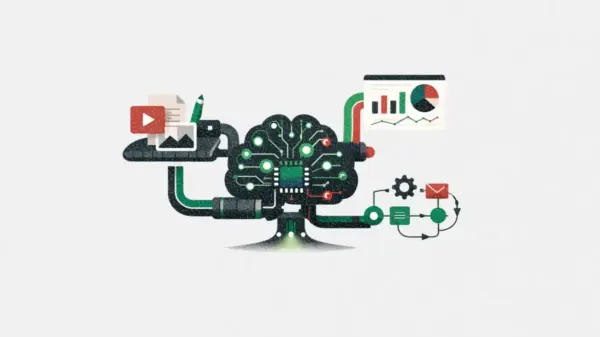
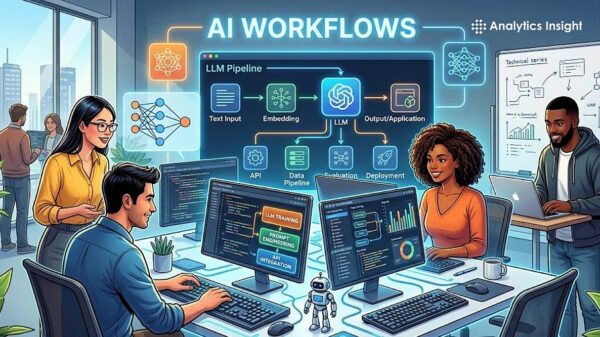
Many security teams are now expressing interest in integrated workflow platforms that combine automation, AI, and human oversight within a unified operational framework. By streamlining task transitions across various systems, these platforms promise to enhance productivity, reduce response times, and improve data accuracy and compliance tracking. The increasing focus on interoperability also highlights the importance of standardized frameworks and APIs that enable seamless interaction among AI systems and tools.
“AI alone won’t fix broken security operations. Teams see its enormous potential for time savings and morale gains, but without strong governance and well-designed workflows, that potential remains out of reach,” remarked Thomas Kinsella, chief customer officer at Tines. This sentiment encapsulates the growing realization that while AI can significantly enhance operational efficiency, its effectiveness hinges on robust governance and strategic implementation.
As the integration of AI becomes a cornerstone of security operations, organizations must navigate the challenges and complexities that arise. Ensuring that these technologies are complementing, rather than complicating, existing workflows will be crucial in maintaining security efficacy and operational integrity in an increasingly digitized world.
See also Vibe Coding Revolution: 87% of Fortune 500 Companies Embrace AI-Generated Software
 CivicPlus Launches Six New AI Tools to Enhance Workflow for Government Operations
 Hybrid Work Desktops Launch in 2025 with Built-in AI for Enhanced Productivity
 OpenAI Reveals Live Demo for New AI Product Beyond GPT-5 on May 13
 Facebook Launches AI-Powered Marketplace Features, Boosting Social Shopping for 200M Users