






















































In 2025, the smartphone landscape underwent a notable transformation, pivoting towards enhanced productivity features rather than groundbreaking hardware advancements. As mobile devices increasingly transcended their roles as mere cameras or gaming consoles, they emerged as essential productivity tools designed to support users in various tasks throughout their day.
Historically, smartphones have been marketed as portable assistants, ideal for managing tasks during commutes or while relaxing. However, many of these productivity features often took a backseat to flashier specifications related to camera quality or gaming performance. This year marked a shift, with smartphone launches placing productivity capabilities front and center.
A key factor in this evolution has been the maturation of hardware technologies. The introduction of faster and more power-efficient chips has enabled seamless app transitions and the capacity to manage complex tasks effortlessly. Alongside this, advancements in battery life and smarter power management have alleviated concerns about running out of power during critical tasks, allowing users to stay productive throughout the day.
Larger screen sizes have also contributed to improved productivity. While not universally embraced, the increase in display dimensions aids multitasking significantly. For instance, the upgrade from a 6.1-inch to a 6.3-inch display on the iPhone 17 exemplifies how a modest increase in screen real estate can markedly enhance user comfort and efficiency in work-related activities.
However, the most significant game-changer in 2025 has been the advent of advanced software features, particularly those harnessing artificial intelligence. Apple’s iOS 26 introduced a sophisticated Liquid Glass interface, which, while aesthetically appealing, also incorporated substantial upgrades aimed at enhancing productivity. Among these enhancements, the Reminders app has been upgraded to allow users to flag urgent tasks with alarms, while Apple Intelligence can now identify to-do items hidden in emails, notes, or web pages, generating comprehensive checklists automatically.
Notably, Apple has strategically focused on improving existing functionalities rather than inundating users with an overwhelming number of new features. For example, Visual Intelligence is now capable of processing screenshots to extract relevant information, converting it into calendar events or reminders. Even casual applications have seen enhancements, such as the Messages app, which has added a voting feature to facilitate group decision-making.
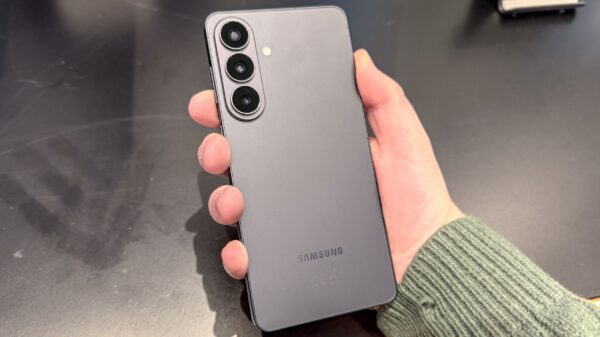
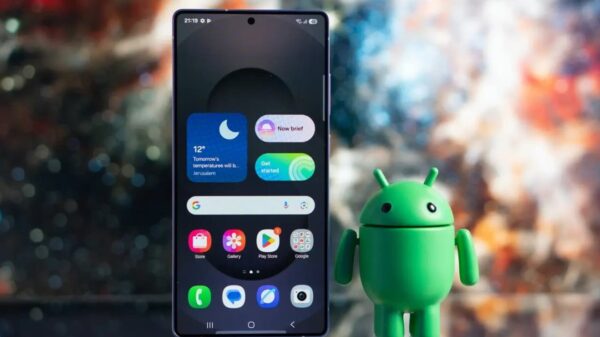
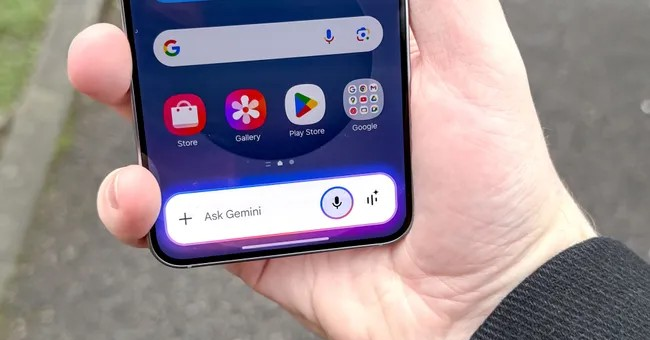
On the Android front, significant strides in productivity-oriented AI have been made as well. Samsung’s latest Galaxy AI capabilities enable cross-app commands, allowing users to instruct the Gemini assistant to execute sequences of tasks across multiple applications without needing to switch contexts. The Gemini Live feature, which utilizes the phone’s camera to provide contextual awareness, enhances the user’s real-world interaction through instant information retrieval.
Similarly, the Google Pixel 10 has introduced Magic Cue, a feature that surfaces pertinent data—such as travel itineraries or bills—at opportune times. The OnePlus 15 has also garnered attention for its ultra-smooth multitasking capabilities, permitting users to manage multiple work tasks seamlessly without lifting their hands off the device.
This intensified focus on productivity raises questions about the future of smartphones, particularly regarding the potential emergence of smart glasses as a replacement. However, despite the promising prospects of smart glasses, current consumer sentiment suggests that smartphones remain intuitive and reliable devices that integrate seamlessly into daily routines. They continue to fit comfortably in the palm of the hand, reinforcing their role in everyday life.
Nearly two decades after becoming mainstream, smartphones are still evolving, and 2025 has underscored their development into more intelligent and indispensable tools. The trajectory indicates that as software capabilities continue to advance, smartphones will likely remain central to productivity in the foreseeable future.
See also Bluon Partners with ServiceTitan to Enhance HVAC Technician Workflows with AI Data Integration
 AI Boom Fuels 2025 Memory Crisis, Forcing Windows 11 to Address Software Bloat
 AI Skills Essential for Non-Technical Roles by 2026, Experts Urge Immediate Learning
 AI Enhances Parental Monitoring Software to Detect Online Risks More Effectively
 Marketing Team Revolts as Managers Mandate AI Tools, Calling Work “Pure AI Slop”