

















































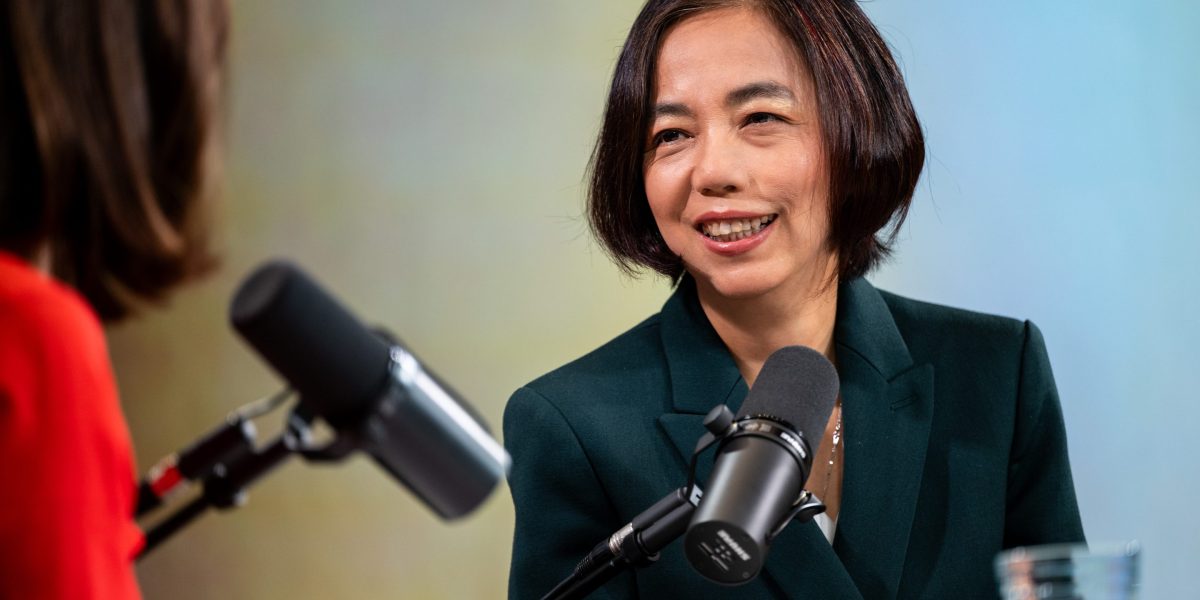
Tech leaders in Silicon Valley are increasingly prioritizing practical skills over formal degrees when seeking talent for artificial intelligence (AI) roles. Fei-Fei Li, a prominent Stanford professor and CEO of the AI startup World Labs, highlighted this shift during her recent interview on The Tim Ferriss Show. Known as the “Godmother of AI” for her groundbreaking work on large-scale image databases, Li emphasized that experience with AI tools and the ability to adapt quickly are now more critical than educational credentials in the hiring process.
When discussing her approach to recruiting software engineers, Li stated, “The degree they have matters less to us now,” underscoring a move away from traditional educational metrics. She elaborated that the focus has shifted to what candidates have learned, the tools they employ, and their mindset toward using these tools—many of which are AI-driven. This reflects a broader trend where the ability to efficiently leverage AI technologies may outweigh the prestige of a candidate’s academic background.
Li’s perspective aligns with a growing sentiment among industry leaders. In October, Mark Zuckerberg, the founder of Meta and a Harvard dropout, indicated that skills are increasingly valued over impressive diplomas, though he noted that entry-level positions at Meta still require a bachelor’s degree. Meanwhile, Palantir CEO Alex Karp has gone a step further by launching a four-year paid internship aimed at young entrepreneurs who are not enrolled in college, promoting hands-on learning while bypassing traditional education pathways.
The emphasis on AI fluency is particularly pertinent as companies like World Labs seek to innovate in the rapidly evolving tech landscape. Li’s startup aims to develop AI that can process and replicate three-dimensional environments through spatial reasoning, a capability that could redefine technological applications across various sectors. Impressively, World Labs reached a valuation of over $1 billion in just four months, according to the Financial Times.
Li has made it clear that she is particularly interested in candidates who embrace AI collaborative software tools, a stance she believes indicates a person’s capacity to evolve with technological advancements. This requirement is not based on the assumption that AI tools are infallible, but rather on the premise that adaptability is crucial in a fast-paced tech environment. “It’s so important that people from all backgrounds feel they have a role,” she stated during the Fortune Most Powerful Women Summit in 2024, advocating for inclusivity in the ongoing technological shift.
As the demand for AI-skilled professionals continues to rise, the intersection of education and technology is likely to experience significant transformation. With leaders like Li pioneering a new model for talent acquisition, the tech industry may increasingly favor skillsets that align with current technological needs over traditional academic credentials. This evolving landscape suggests a future where the value of learning by doing may prove to be just as critical as formal education in shaping the workforce of tomorrow.
See also Wall St Plunges as Treasury Yields Rise, Broadcom Warns of AI Margin Risks
 Disney Licenses 200+ Characters to OpenAI, Invests $1 Billion in AI Video App Sora
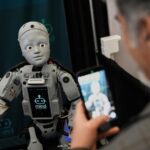 Silicon Valley Summit Spotlights Humanoid Robots Amid High Skepticism and Global Competition
 Hitachi’s ITxOT and AI Strategy Reshapes Investment Outlook Amid Rising Costs
 Scott Bessent Proposes AI-Driven Finance Oversight, Aims to Cut Regulatory Barriers