















































Artificial intelligence is increasingly influencing the hiring practices of employers across Canada, according to a national poll conducted by The Harris Poll on behalf of Express Employment Professionals. The survey indicates that nearly one-quarter of Canadian employers planning to reduce staff cited heightened automation or AI usage as a contributing factor. However, the findings suggest that the impact of AI on jobs in various sectors is more gradual than revolutionary.
Despite ongoing discussions about the potential for AI to disrupt the job market, the reality appears to be more nuanced. Many employers are not pursuing massive layoffs. Instead, the predominant trend is a slowdown in hiring and a hesitance to fill positions left vacant by departing workers. This cautious approach reflects a broader recognition among employers of the need to balance technological advancements with human resources.
The survey revealed that organizations are increasingly integrating AI tools into their recruitment processes. These tools are designed to enhance efficiency and streamline the selection process, but they also raise concerns about the potential for bias and the devaluation of human judgment in hiring decisions. As a result, companies are grappling with how to implement these technologies responsibly while ensuring that they do not inadvertently harm their workforce.
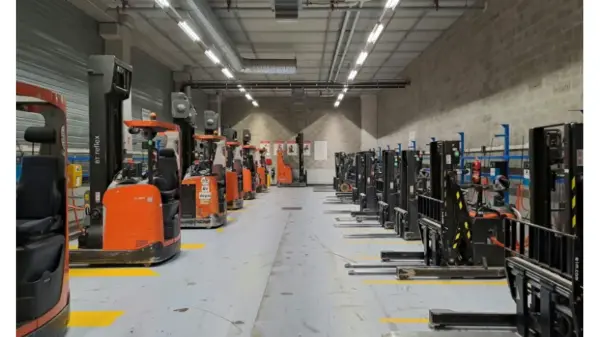
In sectors where automation is more prevalent, such as manufacturing and logistics, the effects of AI are felt more acutely. Employers in these industries are more likely to report that AI is affecting their staffing decisions. However, the same survey highlighted that many businesses are still committed to maintaining a human workforce, understanding that while AI can augment capabilities, it cannot entirely replace the nuanced decision-making and creativity that human workers bring.
The Express Employment Professionals poll further illustrates the mixed sentiments surrounding AI adoption. Although a significant proportion of employers recognize the value of automation in enhancing productivity, there is also a palpable anxiety about its implications for job security. The awareness that technology can lead to a more efficient operation is counterbalanced by fears of workforce reduction.
As companies navigate this landscape, they are increasingly investing in training and upskilling programs for their existing employees. Many recognize that equipping their workforce with the skills needed to work alongside AI is essential for long-term sustainability. This approach not only helps mitigate the fear of job loss but also positions companies to leverage AI technologies effectively.
Looking ahead, the evolving role of AI in the workplace will undoubtedly continue to shape hiring practices. Organizations that successfully integrate AI while investing in their human capital may find themselves better positioned to thrive in an increasingly automated environment. Adapting to these changes will require a careful balance between embracing technological advancements and fostering a skilled, adaptable workforce.
As the situation continues to unfold, stakeholders across industries will need to monitor the implications of AI on employment closely. The challenge will be ensuring that the workforce is prepared for the changes that AI brings while also addressing the legitimate concerns of workers about job security and the future of work.
See also Character.ai Reveals Slonk: A New System Integrating SLURM with Kubernetes for Efficient ML Research
 BlueMatrix and Perplexity Launch AI-Driven Research for Regulated Institutional Investors
 Invest $100 in the Dan Ives Wedbush AI Revolution ETF for Top AI Stock Exposure Now
 Mistral AI Partners with France to Enhance Defense Operations with Advanced AI Solutions
 AI Revolutionizes Cybersecurity: Predictive Models Flag 1,100 Fraud Attempts Before Approval