









































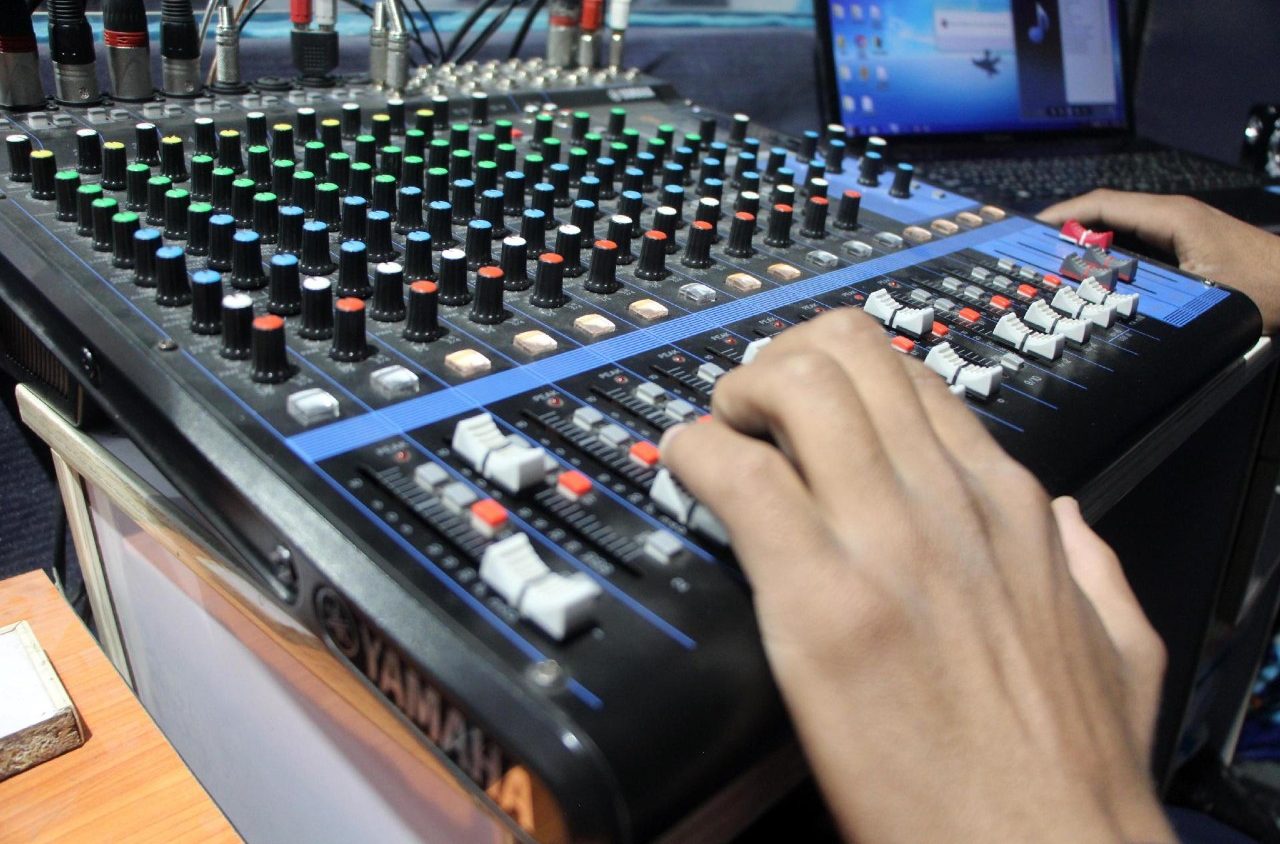
World Radio Day, promoted by UNESCO, is exploring the intersection of voice and artificial intelligence (AI) this year, emphasizing the enduring bond between people and communities, a hallmark of Guglielmo Marconi’s legacy. Alessandro Gisotti, Deputy Editorial Director, underscores that this intrinsic value is one that AI cannot replicate.
“The Radio is no longer just Radio.” Those words, spoken two decades ago by Fr. Federico Lombardi, the then Director General of Vatican Radio, resonate strongly today. At that time, podcasts were still a niche experiment, web radios were insignificant in the media landscape, and social networks were in their infancy, far from being platforms for audio news distribution.
Yet, Fr. Lombardi anticipated a transformation. Two decades later, in an era defined by rapid advancements in communication technology, it is evident that his predictions were accurate. Today, radio and audio are inextricably linked, signaling profound changes in media consumption, while the essence of Marconi’s invention remains recognizable.
The voice continues to occupy a central role in this evolution, conveying emotions through songs, interviews, and conversations. It fosters a direct connection, especially when significant messages need to be communicated. Interestingly, radio has maintained its status as the “brilliant friend” of all media, both old and new, where the human element remains paramount. However, this raises a pressing question: will this remain true in the near future?
UNESCO’s theme for World Radio Day 2026, “Artificial Intelligence is a tool. Not a voice,” encapsulates the growing concern regarding the potential for AI to supplant human voices in broadcasting. This scenario is not merely hypothetical; it is already unfolding across various stations with AI-hosted programs, AI-generated dubbing, and podcasts utilizing cloned voices, often minimizing human contribution.
These developments prompt critical questions about transparency. Listeners deserve to know if the voice delivering their news is human or AI-generated, and whether the content they consume has been curated by an algorithm rather than a journalist.
In a timely reflection, Pope Leo XIV’s recent message for World Day of Social Communications aligns closely with this debate. He writes, “Safeguarding faces and voices ultimately means safeguarding ourselves.” He advocates for a balanced approach to embracing digital technology and AI, urging vigilance regarding the complexities and risks involved.
Pope Leo warns of the “power of simulation,” noting that AI has the capacity to fabricate alternate realities and usurp identities. In today’s environment, where distinguishing fact from fiction becomes increasingly challenging, this warning is particularly pertinent, even to major public service media entities like the European Broadcasting Union.
While AI can imitate the timbre of a voice, it cannot replicate the emotional resonance that only a human can convey. Thus, it is critical to regard this technology as a tool, as UNESCO asserts, rather than a replacement for human expression.
When viewed through this lens, AI presents substantial opportunities for radio. It can enhance audience understanding, streamline sound archive organization, expedite information searches, and contribute to the development of a distinct sonic identity. The possibilities are vast and, in some respects, still unpredictable.
Nevertheless, no technological advancement, regardless of its sophistication, can supplant the human connection that lies at the core of Marconi’s invention. AI may effectively clone vocal sounds, but it cannot replicate the heartfelt nuances embedded in human voices. As media theorist Marshall McLuhan famously observed, “Radio has the magical power to touch remote and forgotten cords.”
As the dialogue around AI in radio continues to evolve, the industry finds itself at a critical juncture. Balancing the advantages of AI technology with the irreplaceable essence of human interaction will determine the future landscape of broadcasting.
See also ByteDance Launches Viral Seedance 2.0 AI Model, Garnering 10M Views on Weibo
 Global AI Impact Summit: Urgent Call for Child-Centric AI Governance to Combat Inequality
 Arista Networks Raises 2026 AI Revenue Forecast to $3.25B, Shares Surge Over 10%
 FTC Intensifies Investigation into Microsoft’s AI and Cloud Practices Amid Antitrust Concerns
 Revolutionize Research: AstaLabs Launches AutoDiscovery for Automated Hypothesis Generation