
















































Mostafa Sayyadi and Michael J. Provitera argue that as artificial intelligence (AI) reshapes the business landscape, authentic leadership becomes crucial in guiding organizations through this transformative era. The rapid advancement of AI technologies has generated both excitement and apprehension among employees who fear job displacement. Authentic leaders, characterized by their commitment to transparency and ethical practices, play a pivotal role in navigating these turbulent changes, fostering a climate of trust and collaboration.
As AI continues to influence various industries, the need for leaders who can communicate openly about its implications is more pressing than ever. Authentic leaders must emphasize how AI can enhance human capabilities rather than replace them. By facilitating discussions that acknowledge employees’ concerns while highlighting AI’s potential to improve workflows, these leaders can alleviate anxieties and foster a more engaged workforce.
The concept of psychological capital is integral to authentic leadership. Traits such as hope, resilience, and self-efficacy not only bolster leaders’ effectiveness but also empower employees to adapt to the evolving technological landscape. Research indicates that leaders who embody these characteristics inspire trust among their teams, thereby cultivating an environment conducive to innovation and adaptability.
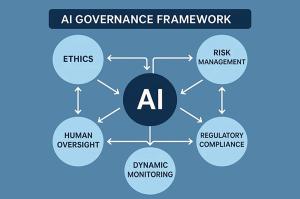
In the context of AI, the reliance on data raises ethical questions regarding transparency and morality. Authentic leaders are expected to prioritize human values over mere efficiency, ensuring that AI systems are employed in ways that respect and enhance individual dignity. This commitment to ethical practices enables leaders to address the challenges posed by opaque AI technologies, which often obscure their decision-making processes from users, leading to mistrust and anxiety.
To counteract this opacity, authentic leaders are urged to engage proactively with their teams by implementing ethics reviews and algorithm audits. Such initiatives not only restore transparency but also build trust in the technology being used. Moreover, a strong emphasis on ethical use of AI can help mitigate fears surrounding job loss, as leaders articulate how technology can augment rather than replace human effort.
The digital transformation brought about by AI necessitates a shift in organizational culture. Authentic leaders must advocate for an ethical digital culture that underscores the importance of human creativity, empathy, and judgment. By fostering a climate where these human qualities are valued, leaders can create an environment that encourages collaboration between employees and AI systems.
Furthermore, authentic leaders have a responsibility to assess the impact of AI on their workforce. Routine assessments should consider not only financial details and operational efficiencies but also the broader implications for employee well-being and job security. Leaders who communicate openly about these changes and provide support resources can help ease transitions and cultivate a sense of security among their teams.
Looking ahead, the relationship between employees and AI is likely to evolve as companies adapt to ongoing technological advancements. Authentic leaders who remain attuned to their workforce’s needs and concerns will be better positioned to guide their organizations successfully through these changes. By emphasizing ethical practices and fostering psychological capital, these leaders can not only enhance productivity but also champion a workplace culture where human dignity is paramount.
As organizations navigate the complexities of the digital age, the role of authentic leadership will be instrumental in shaping responses to the challenges posed by AI. Those who prioritize transparency, ethics, and employee empowerment will not only lead their companies more effectively but also contribute to a future where technology serves as an ally rather than an adversary.
For further reading on this topic, see the following resources: OpenAI, Microsoft, and IBM.
See also Microsoft AI Licensing Gains Traction as UK Publishers Shift to Paid Access Model
 Life Sciences Fundraising Faces Structural Reset Amid Volatility and AI Expectations
 AI’s Job Impact: Employment in High-Risk Roles Grows 1.7%, Defying Doomsday Predictions
 X Enables Grok AI Image Manipulation, Sparks Global Outcry Over Non-Consensual Content
 India Joins US-Led Pax Silica Initiative to Secure AI and Semiconductor Supply Chains