























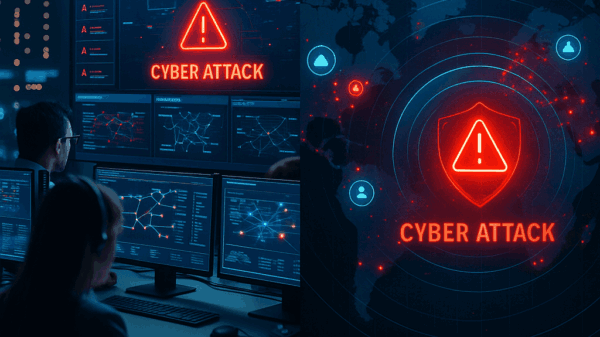









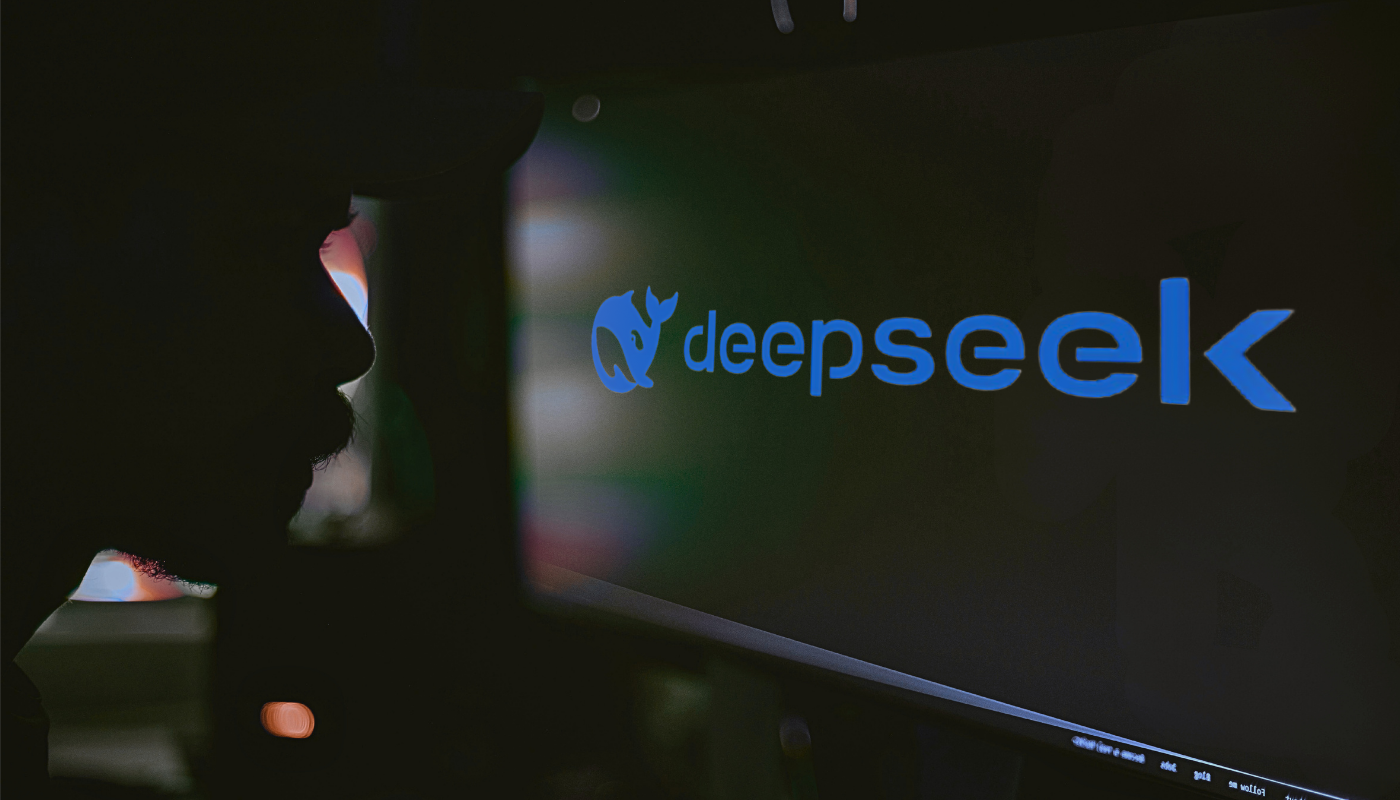
DeepSeek, once an overlooked player in the tech landscape, faced a significant challenge on March 29 and 30, 2026, when its infrastructure experienced a seven-hour and thirteen-minute outage. This incident marked the longest downtime since the launch of its R1 and V3 models in early 2025, which propelled the platform into the spotlight as one of the most-utilized AI tools worldwide. Users reported failed logins, timeouts, and missing responses, while developers relying on DeepSeek’s API found their own applications rendered ineffective during the outage. This disruption came at a critical time, as many awaited the company’s next major model update, heightening the reputational stakes involved.
Prior to this event, DeepSeek had enjoyed a near-perfect uptime record, with previous outages typically lasting under two hours. However, the seven-hour blackout represents a new category of operational failure. While the technical cause remains unconfirmed, the implications are clear: when an AI platform serving hundreds of millions of users experiences a prolonged outage, it reveals a fundamental issue that the industry has often overlooked. The gap in question lies between having a sophisticated AI model and maintaining a reliable, production-grade infrastructure.
DeepSeek’s ascent was notable for demonstrating that cutting-edge AI capabilities do not solely depend on the extensive resources of hyperscalers. Its R1 and V3 models consistently surpassed performance benchmarks, enabling the company to cultivate a vast user base. For a time, this narrative centered on capability and disruption. However, the recent outage underscores a more complex reality: maintaining robust infrastructure for millions requires sophisticated load-balancing, redundancy, failover systems, and incident-response playbooks that are unrelated to model quality. These operational challenges cannot be addressed merely through improved neural networks.
This longstanding divide between research and production environments has now taken center stage for DeepSeek. Other leading firms like OpenAI, Google, and Anthropic have encountered similar reliability issues as they scaled their operations. In this context, DeepSeek’s seven-hour outage serves as both a rite of passage and a valuable lesson for the industry.
For founders and developers building applications that depend on third-party AI infrastructure, DeepSeek’s outage serves as a tangible reminder of the risks associated with platform dependency. When an external service experiences downtime, the repercussions are directly felt by developers and their users, who may hold them accountable regardless of the fault’s origin. The discourse surrounding AI infrastructure has primarily focused on model performance—who is building the most capable system or which benchmarks matter—until now. DeepSeek’s outage reframes the conversation, emphasizing that as AI transitions from a demonstration phase to a core dependency, considerations such as uptime, latency, service-level agreements, and incident-response quality are becoming paramount for enterprise clients.
For those building on AI, the lessons from this incident should be heeded proactively rather than reactively. Relying on a single provider introduces a single point of failure. Implementing fallback strategies, graceful degradation plans, and clear communication protocols during downtimes are not merely precautionary measures; they are essential elements of a dependable product.
DeepSeek’s significant outage, while disruptive, provides critical insights as AI tools become increasingly integrated into operational workflows. Expectations for reliability have evolved, transforming what might once have been considered a minor inconvenience into a substantial operational failure. Platforms that serve as foundational infrastructure for developers, businesses, and millions of users are now held to standards akin to those for databases, payment processors, or cloud services.
Although DeepSeek is likely to recover quickly, thanks to its maintained model quality and substantial user base, the incident highlights a pivotal moment. The distinguishing factors for the next generation of AI platforms will not merely be model performance; they will hinge on operational discipline, reliability engineering, and the trust cultivated by providing dependable infrastructure. DeepSeek’s seven-hour outage serves as a cautionary tale, reminding the industry that the journey to reliable AI operations is more challenging than it may appear and that, ultimately, the model was never the hardest part.
See also Germany”s National Team Prepares for World Cup Qualifiers with Disco Atmosphere
 95% of AI Projects Fail in Companies According to MIT
 AI in Food & Beverages Market to Surge from $11.08B to $263.80B by 2032
 Satya Nadella Supports OpenAI’s $100B Revenue Goal, Highlights AI Funding Needs
 Wall Street Recovers from Early Loss as Nvidia Surges 1.8% Amid Market Volatility