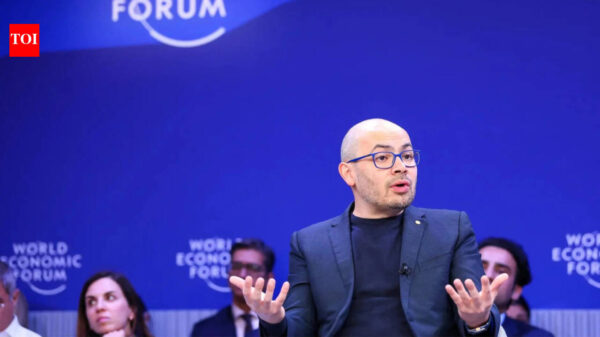

































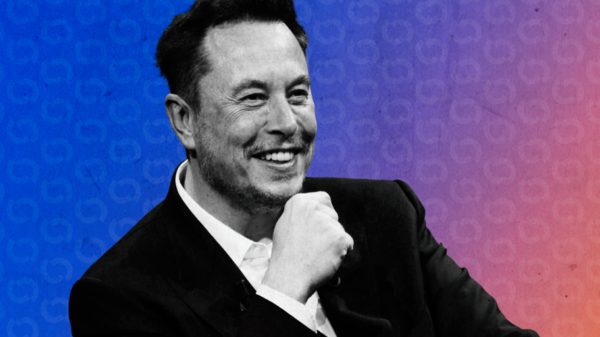





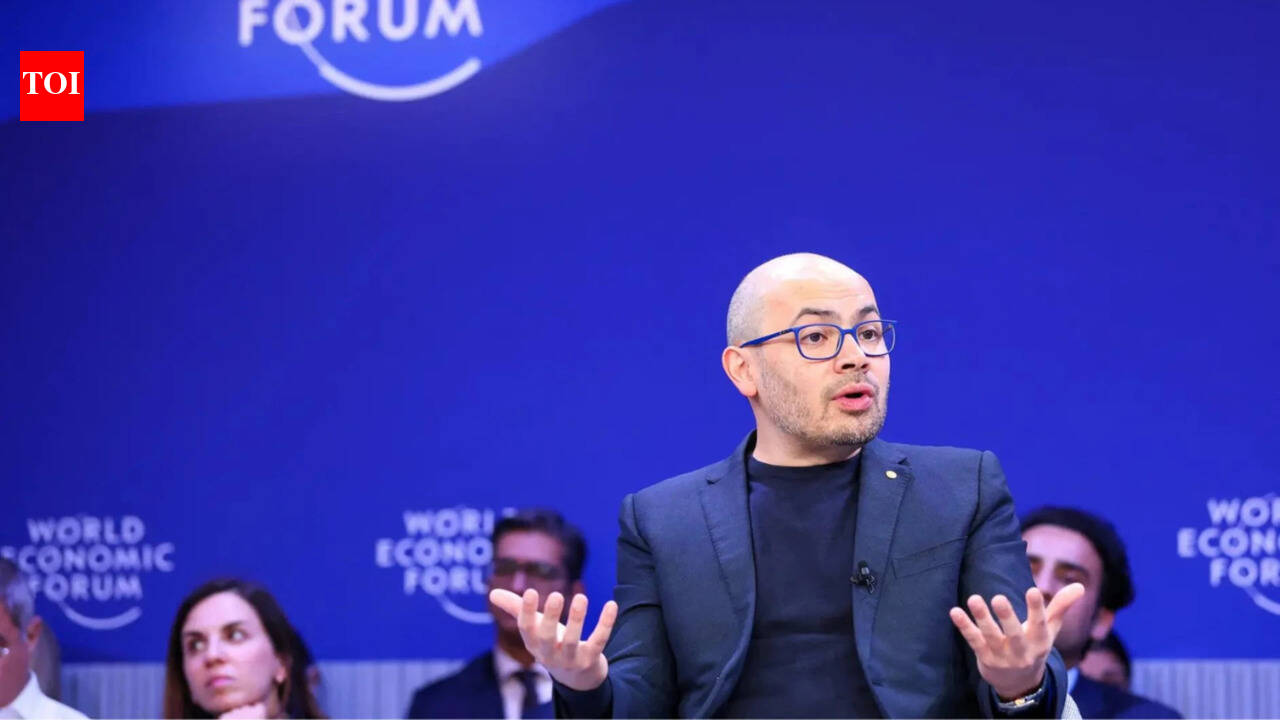
Demis Hassabis, CEO of Google DeepMind, has articulated how the launch of ChatGPT in November 2022 fundamentally altered the landscape of artificial intelligence (AI) development, initiating what he describes as a “ferocious commercial pressure race.” In an interview with YouTuber Cleo Abram, Hassabis explained that the sudden success of ChatGPT caught many in the field, including OpenAI, off guard. He noted that at the time of its release, every major AI lab had systems comparable to ChatGPT; the differential was not in capability but in the timing of deployment.
Initially, Hassabis envisioned a more measured approach to AI development, akin to a scientific initiative focused on breakthroughs like curing cancer or mapping protein structures, rather than entering a competitive market for consumer products. “If I’d had my way, we would have left it in the lab for longer and done more things like AlphaFold,” he stated, referencing the AI system that accurately predicts protein structures and has garnered significant accolades, including a Nobel Prize in Chemistry. However, the viral success of ChatGPT expedited the need for rapid deployment, a shift that Hassabis admits has complicated the careful approach he had originally planned.
Hassabis remarked that the leading labs had “fairly equivalent systems at the time,” underscoring the idea that the rush was largely due to a collective misjudgment about public readiness for such technology. “I think even they say it was kind of a research experiment,” he noted, reflecting on how the researchers involved were often too close to the flaws of their systems to accurately gauge their value. This miscalculation among AI developers has led to an intensified race, with every organization scrambling to keep pace with advancements and market demands.
While he recognizes the benefits this newfound urgency brings—such as accelerated innovation and broader public engagement with AI—Hassabis is aware of the significant costs. The systematic, methodical approach he had envisioned has been largely abandoned in favor of quick results. He is particularly concerned about the implications of this shift, especially regarding future AI capabilities. In the interview, he outlined two primary worries that he believes are not gaining sufficient attention: the potential for bad actors to exploit AI tools and the risk of AI systems becoming misaligned as they increase in capability and autonomy.
“How do we make sure the guardrails are put in place so that they do exactly what they’ve been told?” he asked, emphasizing the technical challenges ahead. Hassabis’s insights resonate with ongoing discussions in the tech community regarding AI governance and safety, which he has grappled with throughout his career at Google. An excerpt from Colossus Magazine highlights his attempts to establish formal safety oversight structures, all of which have ultimately failed to yield lasting impact. His conclusion is stark: genuine influence over AI deployment comes from being actively involved in its development, rather than merely establishing boundaries.
In summary, as AI labs race to innovate, the foundational principles that guided researchers like Hassabis are facing formidable challenges. The shift toward consumer-focused AI, particularly in light of the rapid success of platforms like ChatGPT, presents a complex landscape where the pursuit of scientific inquiry has been supplanted by commercial realities. Looking ahead, Hassabis remains committed to addressing the risks associated with this accelerated pace of development, all while navigating the dual pressures of competition and governance in the ever-evolving field of artificial intelligence.
See also Germany”s National Team Prepares for World Cup Qualifiers with Disco Atmosphere
 95% of AI Projects Fail in Companies According to MIT
 AI in Food & Beverages Market to Surge from $11.08B to $263.80B by 2032
 Satya Nadella Supports OpenAI’s $100B Revenue Goal, Highlights AI Funding Needs
 Wall Street Recovers from Early Loss as Nvidia Surges 1.8% Amid Market Volatility