



















































DUNKIRK, N.Y. — Brittany Cerrie-Allen, a parent of two elementary school students, is among hundreds utilizing a groundbreaking artificial intelligence program in the Dunkirk school district, located in Chautauqua County. The initiative allows parents to communicate in real time with the school attendance robot, making it easier to notify the school regarding absences or medical appointments.
“This is cool. As easy as texting a friend back. Sometimes it’s easy to forget and call the school to alert them, especially if you have a sick child at home, or rushing to get to an appointment, so it does help the parents and the school stay in touch,” said Cerrie-Allen.
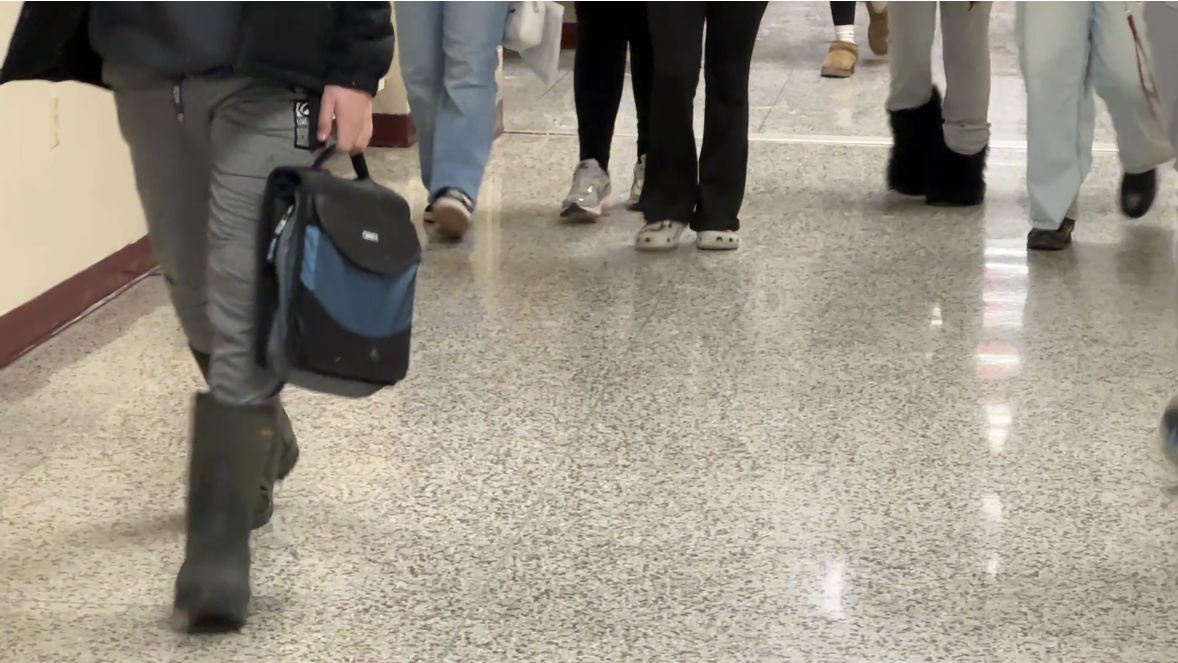
Chronic absenteeism continues to be a pressing issue in New York state, prompting districts like Dunkirk to explore innovative measures aimed at reducing those statistics. In particular, absenteeism tends to spike during winter months when many children walk to school.
The program, known as Edia, was initially introduced for math instruction before evolving to include attendance tracking. Dunkirk’s Superintendent Brian Swatland reported that last year, 38% of students in the nearly 2,000-student district were categorized as chronically absent, meaning they missed 18 or more days of school.
“So every day a kid is not in school, it’s a missed day of learning,” Swatland stated. “It’s a missed opportunity for our students, so it’s important to try and change that.”
Thanks to the deployment of this technology, the chronic absenteeism rate has dropped to 22%, edging closer to the superintendent’s goal of below 20% within its first year. Swatland expressed pride in the results, noting that increased school attendance correlates with enhanced student achievement.
“The proudest part for me is students are in school more, and we’re increasing student achievement through that,” Swatland added. The program boasts a response rate of 40-50% from families, tracking absences, summarizing trends, and providing interventions to encourage students’ return to school.
“So, we’re getting a leg up in the game,” Swatland remarked. “It’s more communication than we’ve had before. If we don’t have a true partnership between the school and the community, then we’re not going to be successful.”
Cerrie-Allen believes that the program fosters mutual responsibility between parents and schools. “It’s both of us being responsible to each other, keeping each other in the loop,” she said. “It does show that the school is paying attention and they would like our children there. And if they’re not, they’d like to know why. It holds parents accountable, too.”
The success of Dunkirk’s AI initiative reflects a broader trend among educational institutions seeking technological solutions to combat absenteeism and enhance student engagement. As schools continue to adopt AI-driven programs, the potential for improving communication and fostering a collaborative environment between parents and educators becomes increasingly apparent.
See also Alphabet Reports Q4 Revenue of $114B, Plans $175B AI Capital Expenditure Increase
 Microsoft’s AI Integration and Zero-Trust Security Overhaul Transform Enterprise Computing
 Anthropic Launches Open-Source Plugins for Claude Cowork, Triggering 30% Software Selloff
 MIT’s AI Innovations Unleash New Antibiotics, Battling Multi-Drug Resistance with Breakthroughs
 Oklahoma Prisons Implement AI to Enhance Safety, Reduce Costs, and Streamline Inmate Releases