







































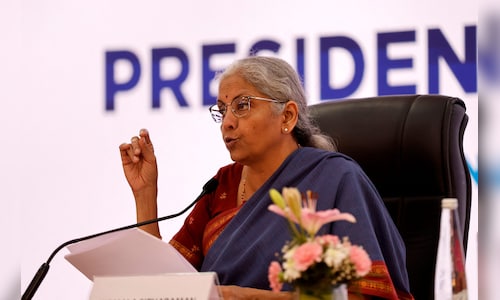
All eyes are on the Economic Survey ahead of Budget 2026 for early signals into the government’s priority policies for the coming fiscal year. Finance Minister Nirmala Sitharaman is set to table the Economic Survey, providing a review of India’s economic performance over the past year and outlining prospects amid severe geopolitical risks. Chief Economic Adviser V Anantha Nageswaran indicated that this year’s presentation is expected to be longer than usual, urging the private sector to take on a larger role in nation building.
The Economic Survey, scheduled to be presented in Parliament at 11 am on January 29, will focus on themes such as faster indigenisation, export competitiveness, reducing the cost of doing business, and job creation in an AI-driven era. Nageswaran has emphasized that the survey will highlight the necessity for private enterprises to contribute more significantly to the economy.
As the country prepares for the upcoming budget, expectations are building regarding potential reforms. Observers note that while the Budget is likely to focus on simplifying individual taxes, significant cuts are not anticipated following last year’s comprehensive overhaul of personal taxation and capital gains rules.
In other significant news, Prime Minister Narendra Modi has called for a focus on reform, performance, and transformation in the Budget, stressing that high-quality exports will be vital to the success of the India-European Union Free Trade Agreement. He reiterated the importance of enhancing the quality of products offered to EU member nations.
On the global front, the Trump administration is easing restrictions on Venezuelan oil exports, allowing the country to sell oil previously subject to U.S. sanctions. Secretary of State Marco Rubio stated that the revenue will be allocated to basic government services, such as policing and healthcare, under U.S. oversight.
The tragic passing of Maharashtra Deputy Chief Minister Ajit Pawar has cast a shadow over the political landscape, with hundreds gathering to pay their respects in Baramati. His funeral on January 29 attracted family, politicians, and supporters, marking a poignant moment for state politics.
In financial markets, the Indian rupee has depreciated over 6% against the U.S. dollar since the start of 2025, with Nageswaran highlighting that this short-term weakness should be viewed within a broader context of emerging market trends. Meanwhile, shares of Hindustan Copper Ltd. have surged by 36% in January, marking the company’s best start to the year since 2012.
Tesla is making headlines with plans to invest $20 billion this year, shifting focus from traditional electric vehicles to AI, autonomous vehicles, and humanoid robots. This shift includes halting production of the Model S sedan and Model X SUV, which have seen lower sales compared to the mass-market Model 3 and Model Y.
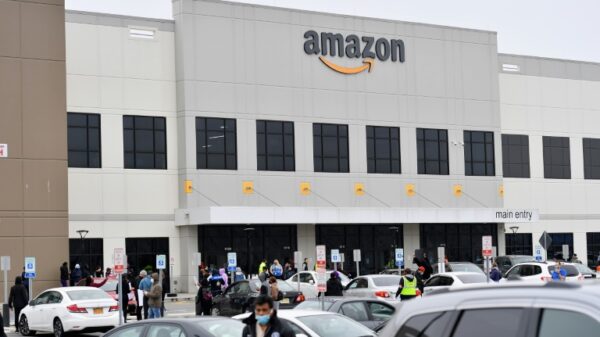
On the employment front, Amazon confirmed it will lay off approximately 16,000 workers, a move that follows an internal email mistakenly sent to employees about the planned layoffs. This marks the second major reduction in workforce for the company within three months.
Gold prices in India have reached an all-time high of ₹1.8 lakh per 10 grams, driven by a rally in global bullion markets as investors seek safe-haven assets amid rising geopolitical tensions. The substantial increase in gold prices reflects broader economic uncertainties, and analysts will be closely monitoring market trends in the coming weeks.
With these developments unfolding, the Economic Survey will likely set the tone for the upcoming Budget 2026, shaping fiscal policies and expectations as the government navigates both domestic and international challenges.
See also South Korea’s Groundbreaking AI Laws Spark Criticism, Highlighting Major Compliance Risks
 Elon Musk’s AI-Generated Sydney Sweeney Video Sparks Controversy Over Grok Imagine Tool
 Deezer and Sacem Unveil AI Tool, Eliminating 85% of Fraudulent Music in Royalty Pool
 Lightmatter and Cadence Launch 3D-Stacked Co-Packaged Optics to Revolutionize AI Data Centers
 Google Launches AI-Powered Chrome Feature to Transform Online Banking and Finance