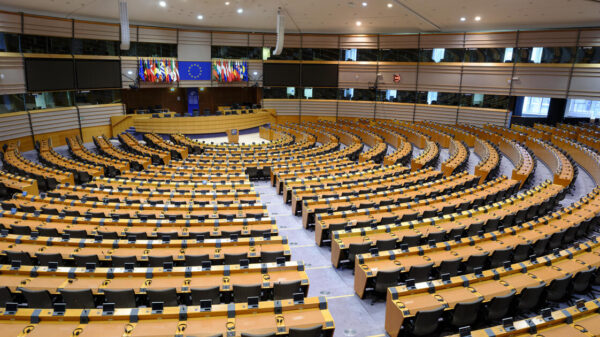
















































The European Union’s AI Act is set to reshape the regulatory landscape for artificial intelligence across its member states. As the framework begins to take legal effect, varying implementation timelines and approaches among the 27 EU nations have emerged, raising questions for organizations striving for compliance. The EU aims to create a harmonized regulatory environment, yet the path to achieving this goal is marked by notable discrepancies in national legislation and institutional setups.
As EU member states work toward transposing the AI Act into their national laws, some countries are moving faster than others, leading to a fragmented implementation landscape. Organizations are urged to stay updated on the current implementation status across different jurisdictions, as these variations can have significant implications for businesses operating within the EU. The Act highlights several key areas requiring attention, including the establishment of institutional and supervisory frameworks tailored to each member state.
Delays in implementation can arise from a range of factors, including differing political priorities, administrative capabilities, and public consultations. Some member states may opt for stricter regulations, while others could take a more lenient approach, leading to further inconsistencies. This divergence could complicate compliance efforts for businesses, as they will need to navigate a patchwork of regulations that may differ substantially from one country to another.
Moreover, discretion in how national authorities choose to interpret and enforce the AI Act can introduce additional variability. Key implementation challenges facing organizations include the complexity of aligning their operations with these evolving regulations and the potential for significant financial penalties for non-compliance. Businesses are advised to proactively assess their strategies and adapt their technologies to meet the expected compliance requirements.
As companies prepare for the new regulatory environment, practical recommendations can aid in easing the transition. Organizations should consider conducting comprehensive audits of their AI systems to identify areas that may require adjustment. Engaging with legal experts who specialize in EU regulations and AI technology can provide valuable insights and clarify the specific requirements set forth by individual member states.
In this context, organizations are encouraged to take proactive measures to ensure compliance while minimizing disruption to their operations. As the regulatory environment continues to evolve, staying informed will be crucial for businesses that rely on AI technologies. The implications of the AI Act will likely extend beyond compliance, influencing market dynamics and competitive strategies across various sectors.
As the global landscape for artificial intelligence continues to mature, the outcomes of the EU’s legislative efforts could serve as a model for similar initiatives worldwide. The solidification of a unified regulatory framework may not only enhance safety and accountability but also foster innovation by providing clear guidelines for development and deployment. For organizations navigating this complex terrain, understanding the nuances of the AI Act is essential to positioning themselves effectively in an increasingly regulated market.
To delve deeper into the nuances of the AI Act and its implications for specific industries, organizations can access detailed publications that outline the current implementation status and anticipated challenges. For personalized consultation regarding the impact of the AI Act on specific tools or industries, businesses are encouraged to reach out to specialized teams for tailored guidance.
As the EU pushes forward with its ambitious regulatory agenda, the ongoing developments surrounding the AI Act will be critical to watch. With the potential to shape the future of AI regulation globally, the EU’s approach may influence how other regions formulate their own guidelines, setting a precedent for international standards in artificial intelligence.
For more information on the AI Act and its implications, please refer to the official EU documentation available at ec.europa.eu.
See also Jeff Dean Criticizes Federal Agent Actions, Sparks Clash with Elon Musk Over ICE Protests
 Generation Alpha Faces Crisis of Trust as AI Skepticism Threatens Critical Thinking
 Amundi Adopts AI-Aware Diversification to Navigate Market Shifts and Drive Revenue Growth
 Adobe Partners with Runway to Enhance Firefly AI Video Tools with Gen-4.5 Model
 Chinese Firms Propel Open-Source AI Revolution at CES 2026 with 100K Innovations