










































Market Context
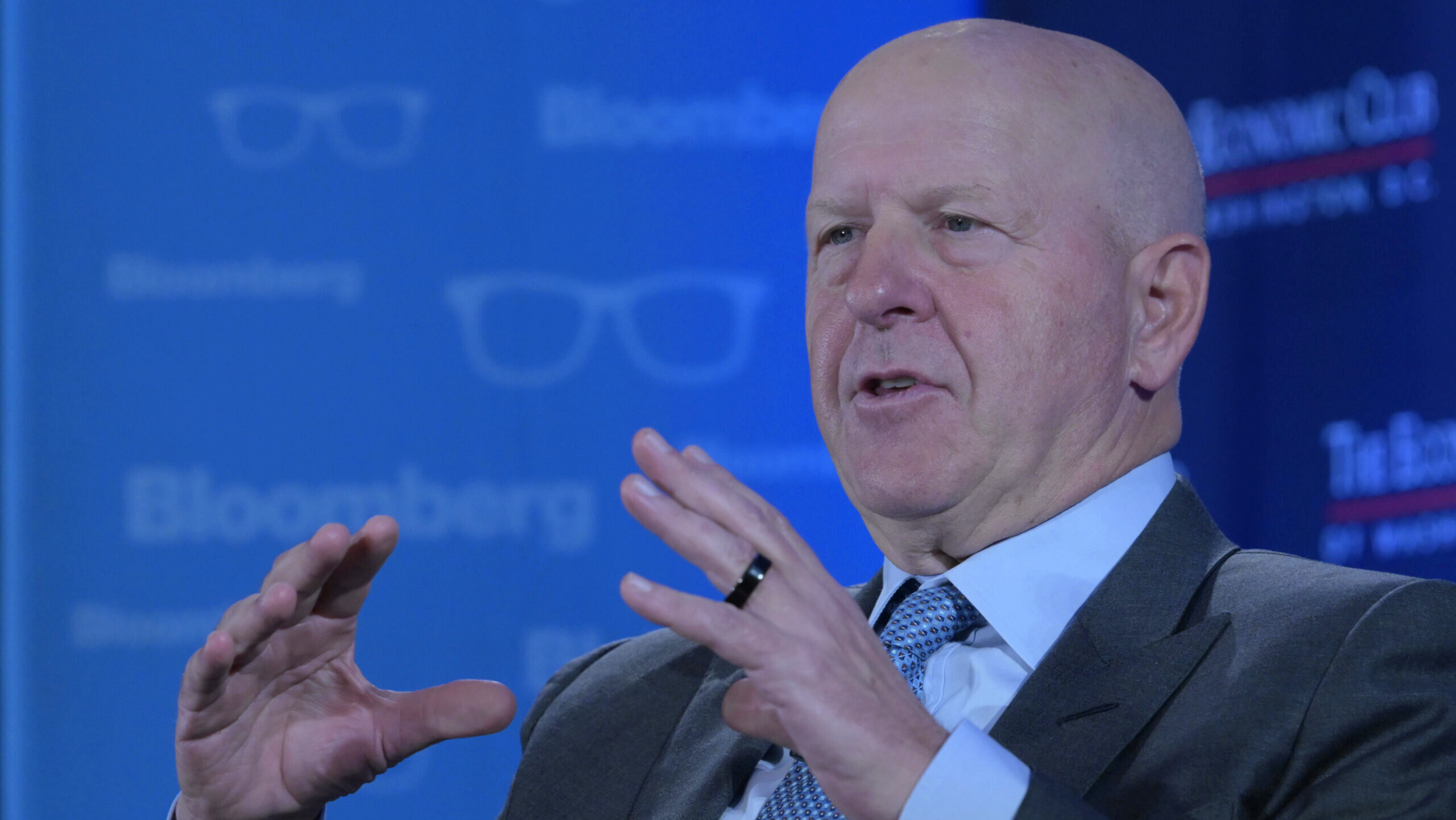
Goldman Sachs CEO David Solomon has attempted to temper fears surrounding the software as a service (SaaS) sector, describing the recent tumult in SaaS stocks as a “Severe SaaS Weather Event” rather than an apocalyptic scenario. Speaking at a UBS conference in Key Biscayne, Florida on Tuesday, Solomon characterized the selloff, which saw significant declines across many SaaS stocks, as an overreaction. This sentiment is increasingly echoing through Wall Street, as analysts and investors reassess the landscape.
The turmoil was triggered largely by the introduction of new coding tools from Anthropic, which are believed to have disrupted the software market, resulting in an estimated erosion of approximately $800 billion in value. The rapid emergence of artificial intelligence (AI) tools has evoked comparisons to the disruptions seen in industries such as photography and telecommunications upon the launch of the iPhone in 2007. However, Solomon reassured stakeholders that SaaS companies are not defenseless against the rapid innovations in AI. “There’ll be winners and losers — plenty of companies will pivot and do just fine,” he noted.
In a research note released this week, analysts at JPMorgan identified potential beneficiaries amidst the current turbulence, suggesting that the risk-reward balance in the SaaS market is shifting towards a rebound. Among 19 “AI-Resilient Software Companies” mentioned, segments such as cybersecurity were highlighted as “higher quality,” with companies like CrowdStrike, Palo Alto Networks, SentinelOne, and Zscaler receiving specific attention. Additionally, data software and enterprise firms such as Snowflake, Twilio, and Okta were noted as resilient.
The analysts emphasized that enterprise software is deeply integrated within the corporate ecosystem, backed by multi-year contracts and high switching costs, which serve as a buffer against short-term disruptions. This perspective aligns with a recent report from Wedbush Securities, which argued that companies are unlikely to dismantle extensive software infrastructures in favor of AI-driven tools. It characterized the “Armageddon scenario for the SaaS sector” as far-fetched. Similarly, Katy Huberty, global director of research at Morgan Stanley, described the recent market sell-off as “sentiment-driven, not fundamental.”
Despite these reassurances, the downturn persists, with new AI innovations seemingly inciting new waves of concern across various sectors. The financial services industry experienced a notable drop on Tuesday following the unveiling of Hazel, a new AI-powered tax planning tool from the wealth management platform Altruist. Following Hazel’s introduction, shares of Charles Schwab plummeted more than 7%, while LPL Financial and Raymond James each saw declines exceeding 8%.
The ongoing developments reflect a broader trend in which traditional industries are grappling with the implications of rapid technological advancements in AI. As firms navigate this unpredictable landscape, the divergence between established SaaS firms and emerging AI solutions will likely shape the future of the software market.
See also Delhi Prepares for AI Impact Summit 2026: 10,000 Global Delegates, Tight Security, and High Stakes
 AI Market Cap Holds Above $12B as Pippin Surges 45%, BNKR Gains 22% Amidst Bearish Sentiment
 EU Warns Meta of Action Over WhatsApp’s AI Restrictions Amid Competition Concerns
 Alphabet Raises $32B in Record Bond Sale to Fuel AI and Tech Expansion