






































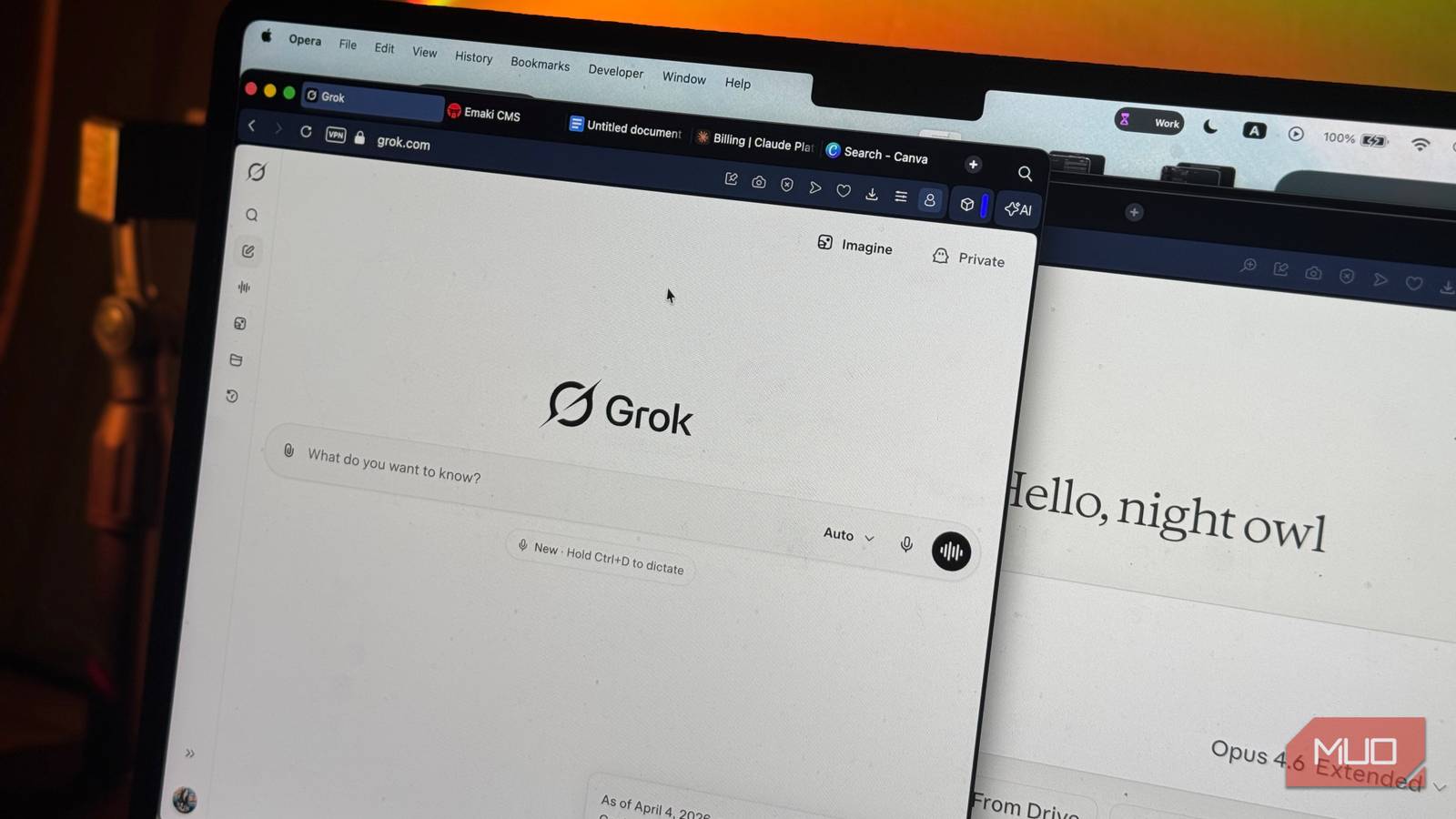
In an era where digital interactions have shifted dramatically, the small talk of 2026 revolves around AI chatbots rather than music streaming services or video platforms. As individuals increasingly rely on these tools, the preference for a specific chatbot serves as a reflection of their digital habits. For many, including myself, the choice may vary; currently, I find myself reaching for Claude, though ChatGPT previously held that position. Yet, my daily interactions with Grok, the AI chatbot from xAI, founded by Elon Musk, are driven by a singular, distinctive feature that sets it apart.
Launched in November 2023, Grok is integrated directly into X, formerly known as Twitter, which Musk acquired in 2022. One of Grok’s standout advantages is its ability to tap into real-time knowledge through the X platform. Unlike most AI chatbots that rely on pre-existing training data, Grok enhances its functionality by accessing real-time public posts on X, providing users with immediate insights into current events and popular opinions.
To grasp the significance of Grok’s capabilities, it’s essential to understand how traditional AI chatbots function. These models are trained on extensive datasets, yet their knowledge is limited to information available up to a certain cutoff date. Consequently, they may provide outdated responses, such as denying the existence of a recently released iPhone. While chatbots like ChatGPT and Claude can search the internet for updated information, Grok advances this concept by including real-time posts from X alongside general web results. This dual-source approach allows Grok to present a comprehensive picture of public sentiment and trending topics.
The integration of social media as a real-time communication tool is unparalleled, and Grok excels in this area. Even the AI offerings from Meta, which are embedded in platforms like Instagram, Facebook, and WhatsApp, do not leverage their respective ecosystems to the same extent as Grok utilizes X.
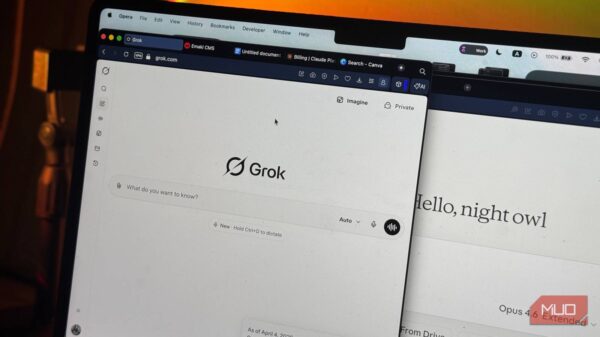
Using Grok’s features is straightforward and does not require any advanced setup. Users simply input their queries, and Grok evaluates relevant X posts in real-time, providing a consolidated response that includes citations to the original tweets for further verification. This capability becomes particularly useful in dynamic scenarios where new products or major announcements are made. Social media often serves as the first platform for reactions and discussions, making Grok’s ability to summarize public sentiment invaluable.
For instance, when seeking opinions on the latest iPhone, Grok swiftly scans recent posts to offer a snapshot of public reactions. This efficiency eliminates the need for users to sift through hundreds of posts, many of which may be irrelevant or spammy. Instead, Grok delivers a sourced summary in mere seconds, allowing for immediate engagement with real-world reactions.
In addition to accessing Grok through its website, users can also interact with Grok directly on X by tagging @grok in any post or thread. However, this in-thread functionality is currently restricted to X Premium and Premium+ subscribers, offering a more contextualized response based on the original post being addressed. Despite this limitation, the core strength of Grok lies in its innovative integration with X.
Nevertheless, while Grok’s features are impressive, it is essential to approach its outputs with a degree of caution. The quality of Grok’s summaries is contingent upon the posts it draws from, and given that X is not always a bastion of accuracy, users should exercise discretion and verify information independently.
While I do not intend to abandon all the AI tools within my repertoire in favor of Grok, I acknowledge its notable integration with X as a compelling reason for its place in my daily digital toolkit. As the landscape of AI continues to evolve, Grok’s approach underscores the growing importance of real-time data in shaping how we interact with technology, reflecting a broader trend towards immediacy in information consumption.
See also Germany”s National Team Prepares for World Cup Qualifiers with Disco Atmosphere
 95% of AI Projects Fail in Companies According to MIT
 AI in Food & Beverages Market to Surge from $11.08B to $263.80B by 2032
 Satya Nadella Supports OpenAI’s $100B Revenue Goal, Highlights AI Funding Needs
 Wall Street Recovers from Early Loss as Nvidia Surges 1.8% Amid Market Volatility