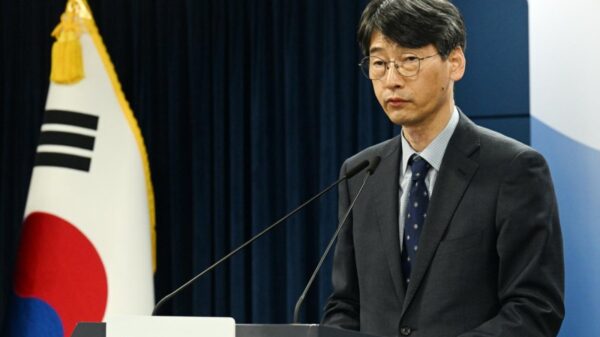

























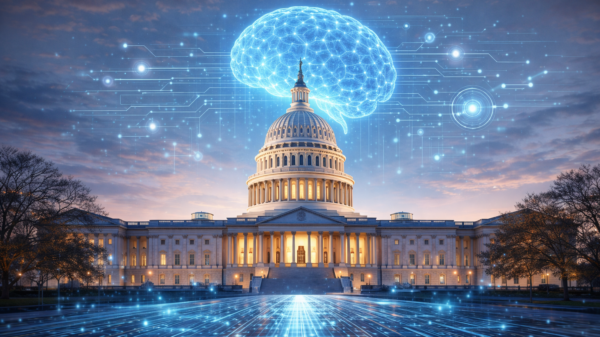














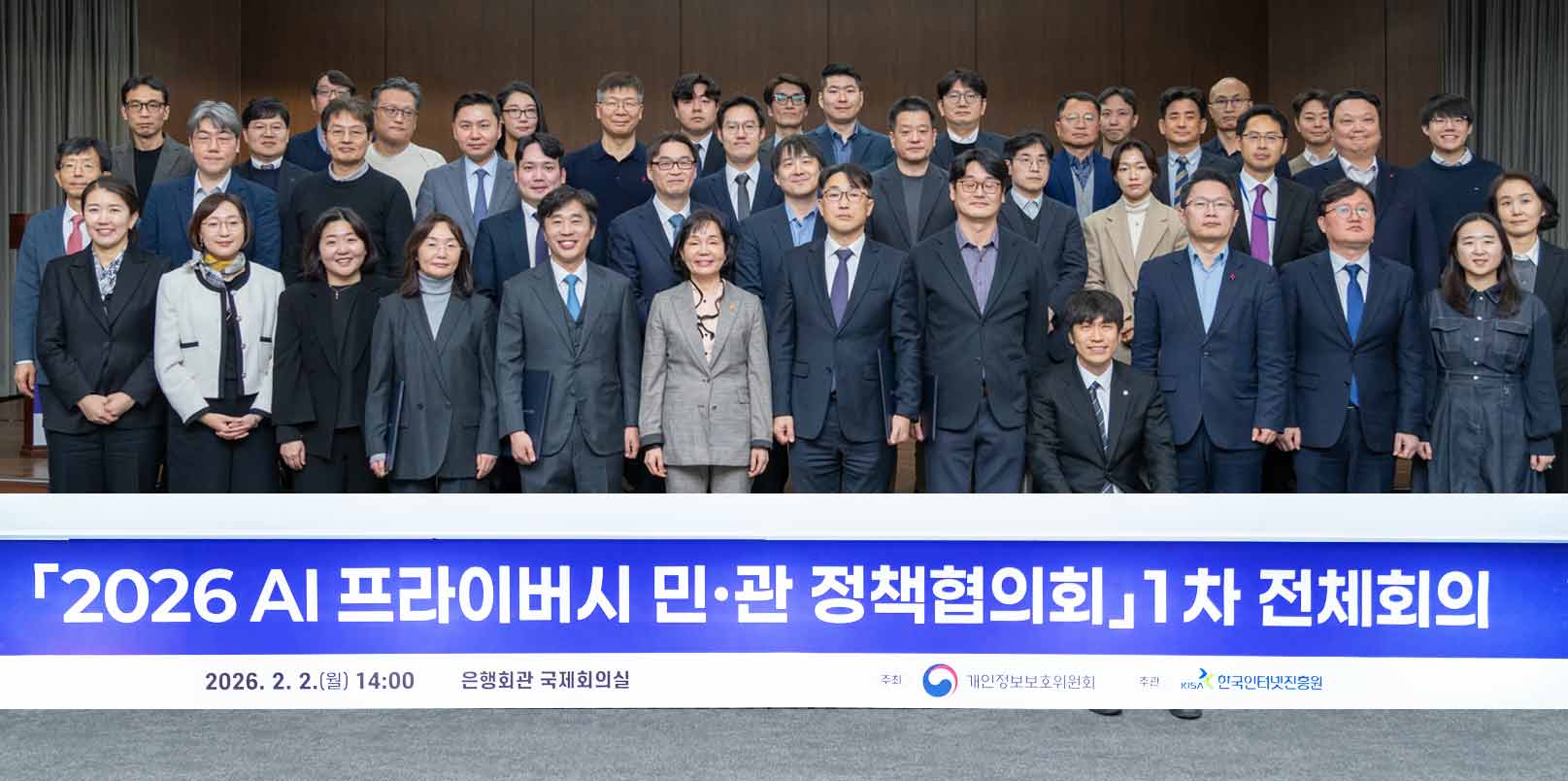
Korea is embarking on a new chapter in artificial intelligence governance with the establishment of the 2026 AI Privacy Public-Private Policy Council. Officially convened by the Personal Information Protection Commission (PIPC) on February 2 at the Federation of Banks building in Seoul, this initiative aims to address evolving data ethics as AI systems increasingly operate autonomously. The collaboration of regulators, judges, researchers, and technology leaders is seen as a crucial step in maintaining public trust and fostering innovation in the age of agentic intelligence.
The council, comprising 37 representatives from government, academia, industry, the legal community, and civil society, is co-chaired by PIPC Chairperson Song Kyung-hee and Chief Judge Kwon Chang-hwan of the Busan Rehabilitation Court. Its goal is to establish a governance model that is responsive to the challenges posed by AI agents, which collect and act on data without traditional consent protocols. This move reflects the government’s recognition that existing privacy frameworks, developed before the rise of generative AI tools like ChatGPT, are no longer adequate.
The council operates through three key divisions: Data Processing Standards, which will define how AI systems handle and classify information; Risk Management, addressing algorithmic vulnerabilities; and Data Subject Rights, focusing on enhancing citizen control and redress mechanisms. The outcomes of these discussions will feed directly into national policymaking, working in conjunction with the National AI Strategy Committee and the AI Safety Research Institute.
The establishment of the council signifies a strategic pivot in Korea’s approach to AI governance—from reactive regulation to proactive co-design. This shift follows the enforcement of the AI Basic Act, which is recognized as the world’s first comprehensive AI governance law. Unlike previous compliance-driven efforts, this initiative seeks to redefine the social contract surrounding data in an era where AI systems operate autonomously.
Chairperson Song emphasized the importance of this moment, stating, “2026 marks a pivotal moment when AI becomes deeply embedded in everyday life. The council will serve as a platform where public and private actors jointly design safety measures.” This collaborative governance model contrasts sharply with the top-down regulatory approaches seen in many other countries and addresses domestic concerns surrounding data breaches that have recently exposed vulnerabilities in enforcement and corporate accountability.
Despite the initial enthusiasm for this cooperative framework, challenges loom. The rapid pace of AI innovation brings tension between the need for oversight and the desire for speed in technological development. Startups developing agentic AI systems express concerns that excessive regulation could hinder their competitiveness against global rivals. Conversely, civil society organizations caution that self-regulation could lead to a normalization of opaque data practices, potentially eroding privacy protections.
Korea faces an institutional challenge in reshaping its AI governance architecture. The council must evolve the conception of privacy from a static protection model to a dynamic design integrated into algorithmic behavior. The effectiveness of the new council will depend on its ability to produce enforceable standards rather than merely facilitating consultations.
The tripartite structure of the council, focusing on standards, risk, and rights, could serve as a testing ground for innovative privacy assurance frameworks in the AI era. If implemented effectively, it may provide a pathway for data-driven companies to operate within clear ethical parameters while offering regulators real-time oversight capabilities. However, a critical gap remains in accountability mechanisms. Although the AI Basic Act mandates transparency and watermarking, how these principles will apply to autonomous systems is still uncertain. Without legislative alignment, Korea risks creating a patchwork of regulations that may complicate compliance rather than clarify obligations.
For startups, the prospect of clear guidance is beneficial, as the PIPC’s commitment to integrating the council’s findings into AI safety policy could alleviate compliance uncertainties. This could foster an environment where privacy innovation becomes a competitive advantage.
Internationally, Korea’s council is a notable experiment in democratic governance of AI ethics, blending legal authority with collaborative policymaking. While the EU AI Act adopts a more prescriptive approach and China implements state control, Korea’s model could inform global standards for cooperative AI ethics governance, particularly for countries balancing technological aspirations with democratic accountability. This initiative intersects with global dialogues on data portability, AI safety auditing, and human oversight, areas that will be critical for establishing trust in international trade.
Korea’s proactive decision to institutionalize dialogue between regulators and technologists highlights the need for AI governance that evolves in step with technological advancements. The coming year will serve as a pivotal test of whether this collaborative approach can keep pace with the rapid evolution of AI technologies. What begins as a policy table may soon become a crucial frontier in the ongoing discourse on digital ethics.
For more insights into Korea’s AI landscape and developments, visit KoreaTechDesk.
See also AI in Construction Market Projected to Surge to $15.88B by 2032, Driven by Smart Tech Adoption
 Voxtral Launches Transcribe 2 with 13-Language Support and Sub-200ms Latency
 IBM Secures $151B Defense Contract, Signals AI-Driven Workforce Transformation
 AI Generates Disturbing Fake Images of Epstein with World Leaders, Revealing Deep Risks in Deepfake Technology
 Google DeepMind Unveils Reinforced Attention Learning to Combat AI Amnesia