
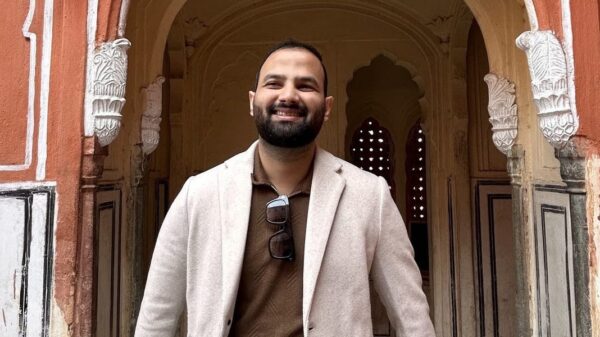






































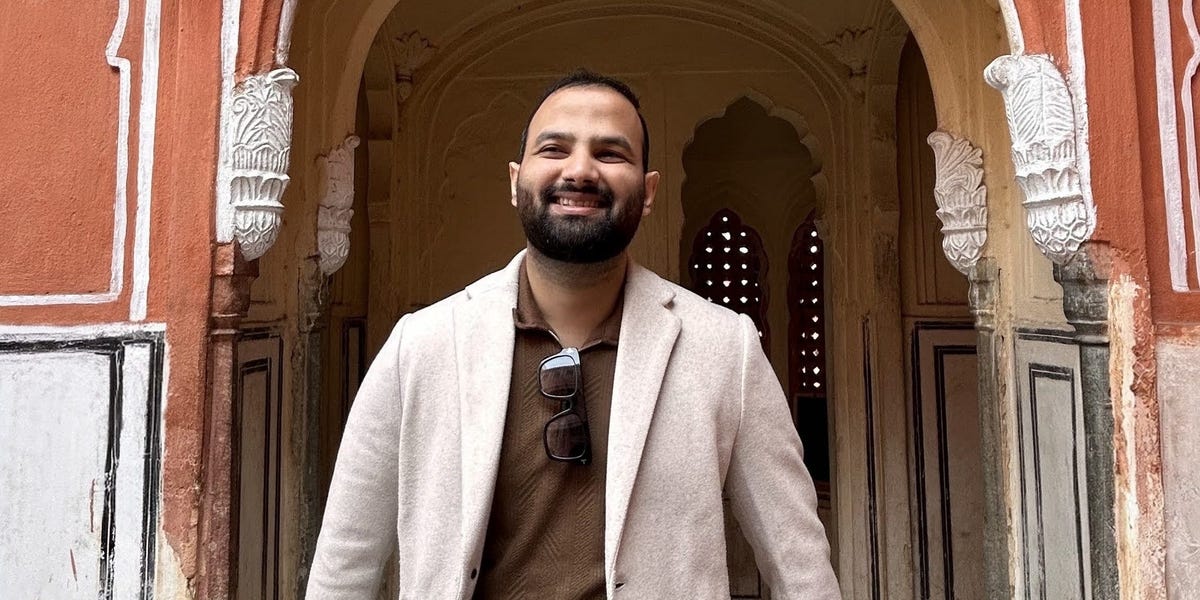
Saurabh Khandelwal, a 28-year-old machine learning engineer at Meta, shares insights on navigating the rapidly evolving field of artificial intelligence (AI). Based in Bellevue, Washington, Khandelwal emphasizes the importance of crafting a cohesive career narrative and understanding the complexities of machine learning systems.
Having initially worked as a founding machine learning engineer at a startup, Khandelwal transitioned to Amazon in February 2023. His experiences at both ends of the tech spectrum have shaped his approach to professional growth and problem-solving. Reflecting on his time at Amazon, he notes, “It taught me a lot about how Big Tech approaches problem-solving and scaling resources.” However, seeking to deepen his expertise, Khandelwal eventually joined Meta, where he found a role that balanced both research and implementation.
Khandelwal’s position at Meta allows for greater independence compared to his previous role, where collaboration was a more significant component. “At Meta, I focus on both research and implementation. There’s less focus on getting alignment from everyone on my team than in my previous role at Amazon,” he explains. He values the environment that encourages experimentation and rapid deployment of new ideas, stating, “If I feel an idea is good, I’m encouraged to try it, test it, and ship it to production with the necessary guardrails in place.”
As he prepared to apply for his position at Meta, Khandelwal was deliberate in crafting his résumé. Rather than simply listing his projects, he focused on creating a narrative that showcased his unique qualifications. He framed his journey into two key themes: his comprehensive understanding of machine learning systems, gained from his startup experience, and his capability to operate at scale, which he developed while at Amazon. “The overall narrative was that I understand the system end-to-end and can be a key difference-maker in shipping one idea to the final destination because I understand the full life cycle of the machine learning system,” he stated.
Khandelwal advises aspiring machine learning engineers to be intentional with their learning. “Machine learning is moving so fast right now that it’s hard to keep up,” he observes. For those early in their careers, he stresses the need for a strong foundation in the principles underpinning machine learning systems. “If you understand the basics well, you can adapt and deploy these systems even as architectures and tools change a hundred more times.”
For more experienced professionals, Khandelwal recommends identifying specific areas of interest within AI and immersing oneself in current research and trends. He dedicates time each week to learning, blocking out an hour in his calendar to focus on deepening his knowledge. He actively engages with the community through following relevant bloggers and attending specialty conferences, emphasizing the importance of staying informed in a rapidly evolving field.
Khandelwal’s journey underscores the evolving landscape of AI and machine learning, highlighting the importance of adaptability and a clear personal narrative in achieving career goals. As technologies continue to advance, professionals in the field must remain proactive and intentional in their growth, ensuring they can effectively contribute to the future of AI.
See also U.S. Proposes Export Controls on AI Chips, Pressuring Nvidia and AMD Sales
 Alphabet’s Cloud Backlog Soars 55% to $240B, Outpacing Nvidia’s 75% Growth
 Chinese AI Models Spread Propaganda, Misleading Users on Ukraine and Security Risks
 Germany”s National Team Prepares for World Cup Qualifiers with Disco Atmosphere
 95% of AI Projects Fail in Companies According to MIT