
















































Four years after rebranding Facebook as Meta and pivoting towards virtual reality, Mark Zuckerberg is facing mounting pressure for tangible results. Reports indicate that the company is considering a budget reduction of up to 30% for its metaverse division in 2026, a move aimed at containing losses that have exceeded US$70 billion since 2021. This potential cutback may also lead to layoffs beginning in January 2026, according to sources familiar with the matter.
The scrutiny surrounding Meta’s metaverse initiative is particularly sensitive for Zuckerberg. Initially presented as a transformative leap from mobile interactions to immersive virtual environments, the project has fallen short of its ambitious targets, resulting in escalating financial losses each quarter. In the third quarter of 2025, Meta’s Reality Labs reported an operating loss of US$4.432 billion for that quarter alone, contributing to a cumulative US$13.171 billion operating loss in the first nine months of 2025.
Despite the disappointing performance, Meta is attempting to reassure investors that it has learned from its past spending habits, which prioritized expansive investment over clear returns. Following news of the budget cuts, Meta’s shares experienced a positive reaction on December 4, 2025, interpreted by market analysts as a signal of relief among some stakeholders.
As the company seeks to reposition itself, it has turned to artificial intelligence and wearable devices as key pillars for future growth. This strategy aims to bridge social media with advanced computing technologies, promoting both product innovation and enhanced advertising efficacy.
Shifting Priorities: From Facebook to Meta
In 2021, the then-Facebook transitioned to Meta, signaling a shift towards the metaverse as a central focus. This rebranding was not merely cosmetic; it aimed to establish the company as a front-runner in the next generation of computing, characterized by 3D environments, avatars, and interactive experiences. At the core of this ambitious vision was the Reality Labs division, responsible for developing virtual and augmented reality hardware and software, including the Meta Quest headsets and the social platform Horizon Worlds.
Although the proposal was visionary, it demanded the dual challenge of creating a viable content ecosystem while persuading users to adopt relatively expensive and impractical devices. The outcome has been mixed, as the metaverse remains largely viewed as a niche offering lacking a compelling reason for consumers to abandon their smartphones.
Meta’s financial disclosures highlight the ongoing struggles within its Reality Labs division, where the majority of losses are concentrated. The reported losses have made it one of the most costly initiatives in the tech sector, repeatedly cited in discussions about the company’s direction.
In light of internal discussions regarding budget reductions, Meta is also exploring ways to streamline operations and allocate resources more effectively. Executives are reportedly considering raising prices for virtual reality devices and adopting a more sustainable business model, alongside slowing the pace of hardware launches.
This reassessment indicates that while the metaverse is not being entirely abandoned, it may enter a more pragmatic phase, emphasizing fewer simultaneous projects and targeting efficiencies over expansive growth.
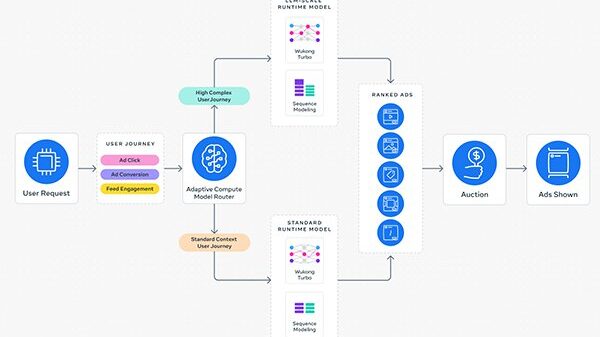
Amid these changes, artificial intelligence has emerged as a new priority. Meta is already leveraging AI for content and advertising optimization and is seeking to broaden its applications to enhance user engagement and business outcomes. On the hardware front, the Ray-Ban Meta smart glasses have gained traction, with sales reportedly tripling by 2025, although the product is still considered niche. Despite this, Zuckerberg recently noted that the company has sold over 1 million units of these smart glasses.
Moreover, the partnership with EssilorLuxottica, the maker of Ray-Ban, appears to be evolving, with Meta reportedly holding at least a 3% stake in the company, potentially paving the way for further collaboration in AI-enhanced wearables.
As Meta navigates this transformative period, the implications extend beyond its corporate framework to affect users in Brazil and globally. A reduced emphasis on the metaverse could result in slower updates to platforms like Horizon Worlds, while a heightened focus on AI and wearables may accelerate ongoing changes in Instagram, Facebook, and WhatsApp, particularly in automation and user experience.
The overarching question remains whether the metaverse will ultimately be regarded as a forward-looking vision that requires time to materialize or as an expensive misstep by Zuckerberg that should be curtailed. As Meta approaches 2026, stakeholders are keenly interested in how the company will balance its ambitions in AI, smart glasses, and virtual reality.
See also AI Set to Drive Entry-Level Hiring Surge by 67% in 2026, CEOs Report
 EPFL’s Anyway Systems Revolutionizes AI: Local Model Deployment Reduces Big Tech’s Data Center Dominance
 DeepMind’s Shane Legg Predicts 50% Chance of Minimal AGI by 2028
 India Surges to Third in Stanford AI Competitiveness Index, Overtaking UK and South Korea
 Nvidia’s H200 Export Decision Fuels Alibaba’s AI Growth Amid Geopolitical Risks