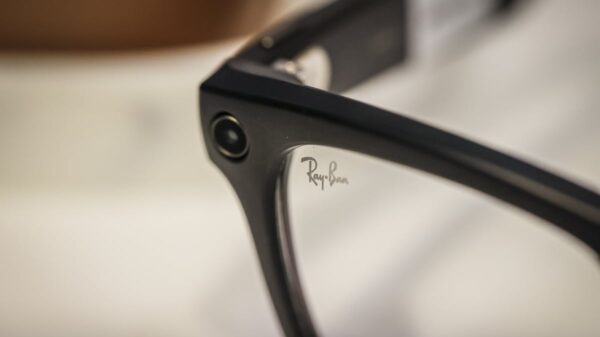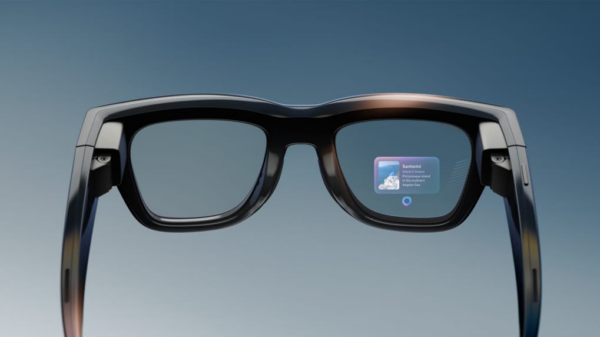

















































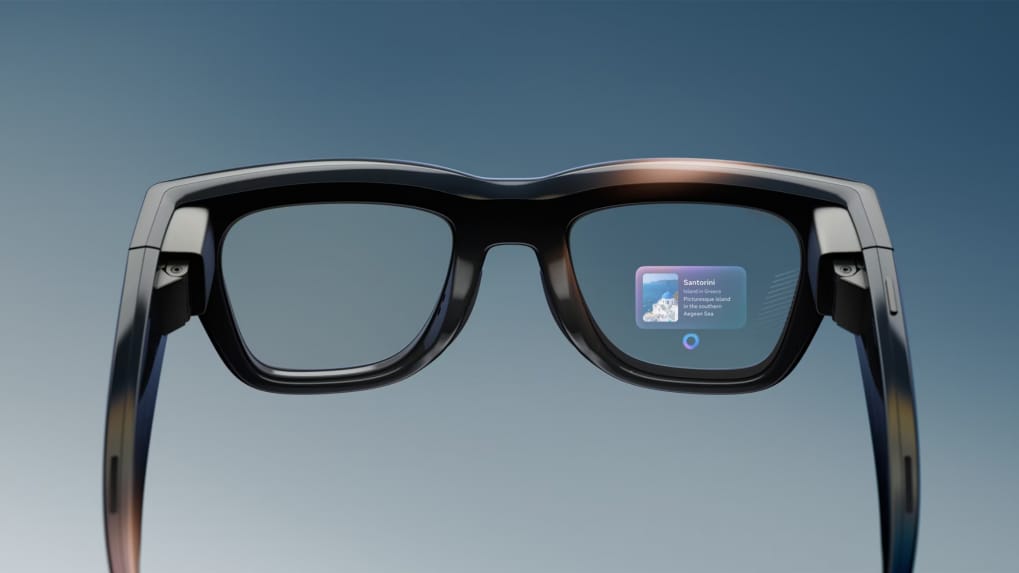
An investigation into Meta’s Ray-Ban AI smart glasses has raised significant concerns regarding user privacy after reports surfaced about contracted workers in Nairobi, Kenya reviewing highly personal footage recorded by users. According to accounts from Futurism and various Swedish newspapers cited by the BBC, workers employed through Sama, a data-annotation firm contracted by Meta, frequently analyze videos captured by the glasses, including clips containing sensitive or intimate moments.
Workers have reported that the footage they review often depicts individuals engaged in private activities, such as using the toilet, undressing, exposing bank cards, or even watching pornography. Many of those appearing in the recordings seem unaware that the glasses are still actively capturing video or that such footage may be seen by other humans, as detailed by The Kenya Times.
Annotators described troubling scenarios where users inadvertently left the glasses recording in their absence. In one instance, a worker recounted a situation where a partner walked into the room and began changing clothes, completely unaware that the device was still recording, according to Svenska Dagbladet. Additionally, some workers mentioned encountering sensitive financial details, such as a user’s debit card and account number during an unexpected “live AI” interaction that was captured without consent.
“We see everything – from living rooms to naked bodies,” one annotator disclosed to investigators. This alarming revelation underscores the potential ethical violations associated with the technology.
Meta has asserted that footage utilized for AI training is typically filtered and “sometimes” blurred before human review. Nonetheless, workers quoted in the reports claim these safeguards do not consistently function as intended. The BBC noted that regulatory bodies have reached out to Meta concerning the management of such sensitive footage.
The UK’s Information Commissioner’s Office has also sought clarification from Meta, emphasizing that devices handling highly personal data “must clearly explain what is collected and how it is used.” This scrutiny reflects growing concerns regarding the implications of privacy in the age of advanced technology.
Compounding the issue, some annotators expressed feelings of pressure to review whatever content appears on their screens, with fears that questioning the material could jeopardize their employment. “You are not supposed to question it. If you start asking questions, you are gone,” one worker told investigators, highlighting a troubling culture of compliance and fear within the data-annotation process.
The scale of footage being reviewed has reportedly surged in correlation with the growing popularity of Meta’s Ray-Ban AI glasses. Over seven million units of the devices were sold in 2025, leading to an influx of video clips being sent to Kenyan annotators for evaluation. This rapid expansion raises further questions about the ethical implications of data collection and privacy protections in the tech industry.
As regulators continue to investigate Meta’s handling of user data and privacy concerns mount, the future of smart glasses technology may hinge on the company’s response to these allegations. The situation underscores the necessity for robust oversight and transparency in the development of AI-driven devices, as society grapples with the balance between innovation and individual privacy rights.
See also Germany”s National Team Prepares for World Cup Qualifiers with Disco Atmosphere
 95% of AI Projects Fail in Companies According to MIT
 AI in Food & Beverages Market to Surge from $11.08B to $263.80B by 2032
 Satya Nadella Supports OpenAI’s $100B Revenue Goal, Highlights AI Funding Needs
 Wall Street Recovers from Early Loss as Nvidia Surges 1.8% Amid Market Volatility