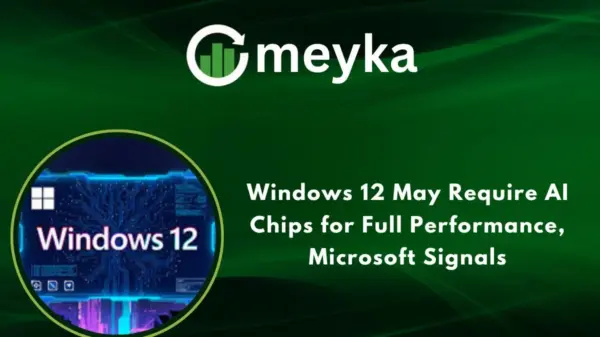


































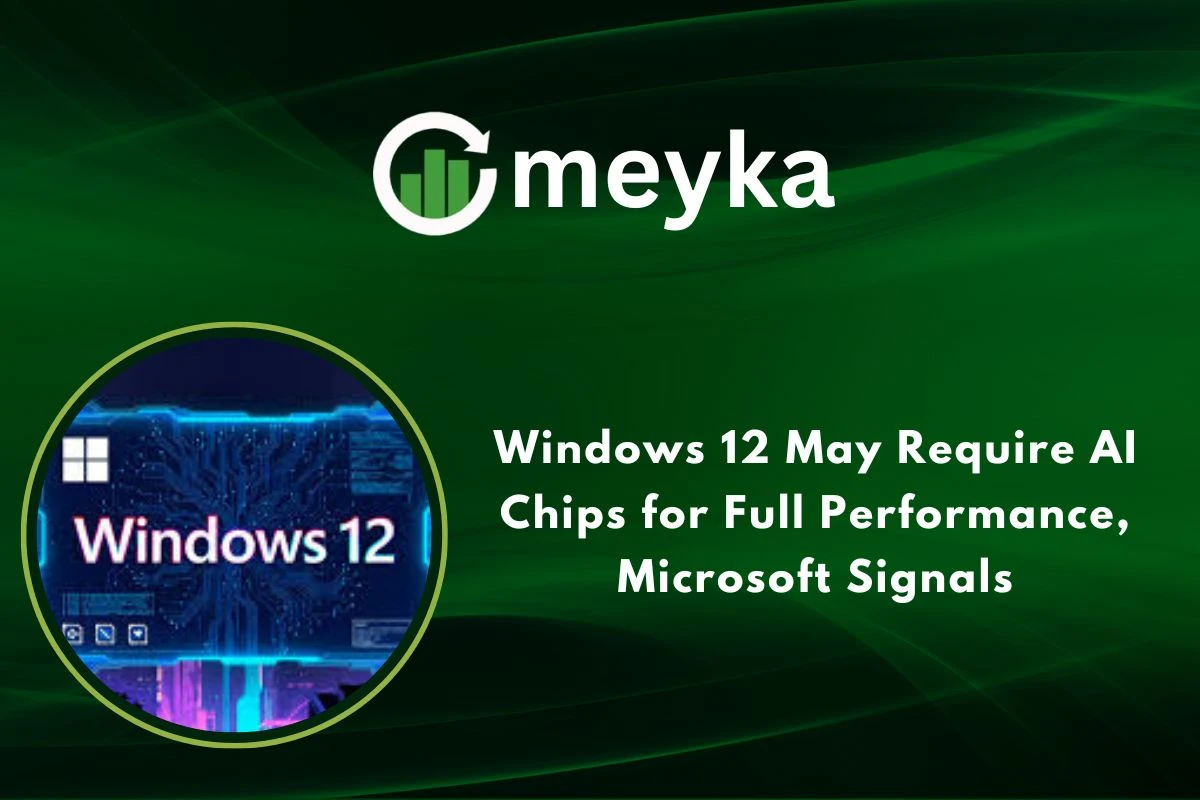
Microsoft is poised to unveil a significant evolution of its widely used Windows operating system, with rumors surrounding a potential successor, dubbed Windows 12, gaining momentum. Speculation suggests that the new OS will necessitate the integration of artificial intelligence (AI) hardware, specifically requiring personal computers to include specialized chips known as AI or neural processing units (NPUs) for optimal performance. This anticipated shift could have wide-ranging implications for consumers, businesses, and the overall PC market.
As Microsoft prepares for this transition, the emphasis appears to be on embedding AI deeply within the user experience. Windows 12, reportedly codenamed Hudson Valley Next, is expected to launch in late 2026 and may redefine the way users interact with their devices. The integration of AI chips could enhance the operating system’s capabilities, enabling more efficient app performance, faster task execution, and a smoother overall user experience.
The requirement for AI chips carries several technical implications. These specialized processors are designed to handle tasks such as natural language processing and real-time decision-making, offering significant advantages over traditional CPUs and GPUs. By enabling local AI processing, NPUs aim to minimize reliance on cloud services, allowing for quicker response times and improved data privacy. Practical applications of this technology may include features like instant email drafting, photo organization, and document summarization, all powered by real-time AI analytics.
However, this shift raises concerns for consumers. The demand for AI-capable PCs could lead to higher costs, as devices equipped with advanced hardware typically come at a premium. Users of older machines might face limitations or may not be able to run Windows 12 effectively at all. Those investing in NPUs can expect notable performance improvements, including faster search capabilities and enhanced multitasking, as well as seamless integration with AI tools like intelligent suggestions and real-time translations. Currently, devices equipped with Copilot+ technology already support the necessary 40 trillion operations per second (TOPS) of AI processing, aligning with what Windows 12 is anticipated to require.
For businesses, the implications of this potential shift are multifaceted. Enterprises may find themselves needing to refresh their hardware more rapidly than anticipated, investing in AI-ready machines to capitalize on productivity gains. The integration of AI technologies could streamline workflows, automating tasks such as reporting and summarization. However, managing these new AI features across diverse hardware could complicate IT management, necessitating new strategies to accommodate varied device capabilities. Additionally, premium AI tools may introduce new subscription models, possibly increasing operational expenses while offering efficiency benefits.
The hardware industry is already reacting to these anticipated changes. Major chip manufacturers, including Intel, AMD, and Qualcomm, are reportedly developing NPUs to ensure compatibility with Windows 12. This demand for AI-capable PCs is projected to double within the next year, prompting fierce competition among manufacturers to deliver better performance and efficiency. The focus appears to be shifting from traditional CPU and GPU speed to dedicated AI acceleration, placing pressure on hardware producers to innovate quickly to meet the evolving landscape.
Despite the potential benefits, several critiques and concerns have emerged regarding this transition. A significant portion of existing PCs may not support the full functionality of Windows 12, raising fears of forced upgrades for millions of users. Additionally, skepticism persists around the practical utility of some AI features, as Microsoft grapples with user adoption challenges. The increased costs associated with AI-ready PCs could exacerbate the digital divide, limiting access for some consumers. While cloud-based AI could provide a workaround for older systems, it is unlikely to match the capabilities offered by local processing.
In conclusion, the prospect of Windows 12 requiring AI chips represents a bold maneuver by Microsoft, signaling a future where local, efficient, and intelligent processing becomes central to personal computing. This transition is poised to be both disruptive and transformative, presenting new technological opportunities for users, businesses, and hardware makers. As the industry grapples with the implications of this shift, one thing is clear: AI is no longer a supplementary component of personal computing; it is becoming an integral element of how systems operate and evolve.
See also Germany”s National Team Prepares for World Cup Qualifiers with Disco Atmosphere
 95% of AI Projects Fail in Companies According to MIT
 AI in Food & Beverages Market to Surge from $11.08B to $263.80B by 2032
 Satya Nadella Supports OpenAI’s $100B Revenue Goal, Highlights AI Funding Needs
 Wall Street Recovers from Early Loss as Nvidia Surges 1.8% Amid Market Volatility