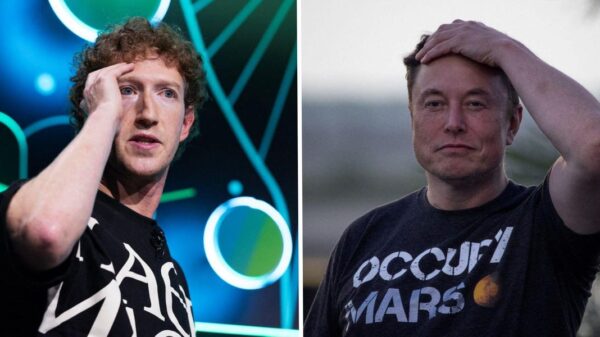
































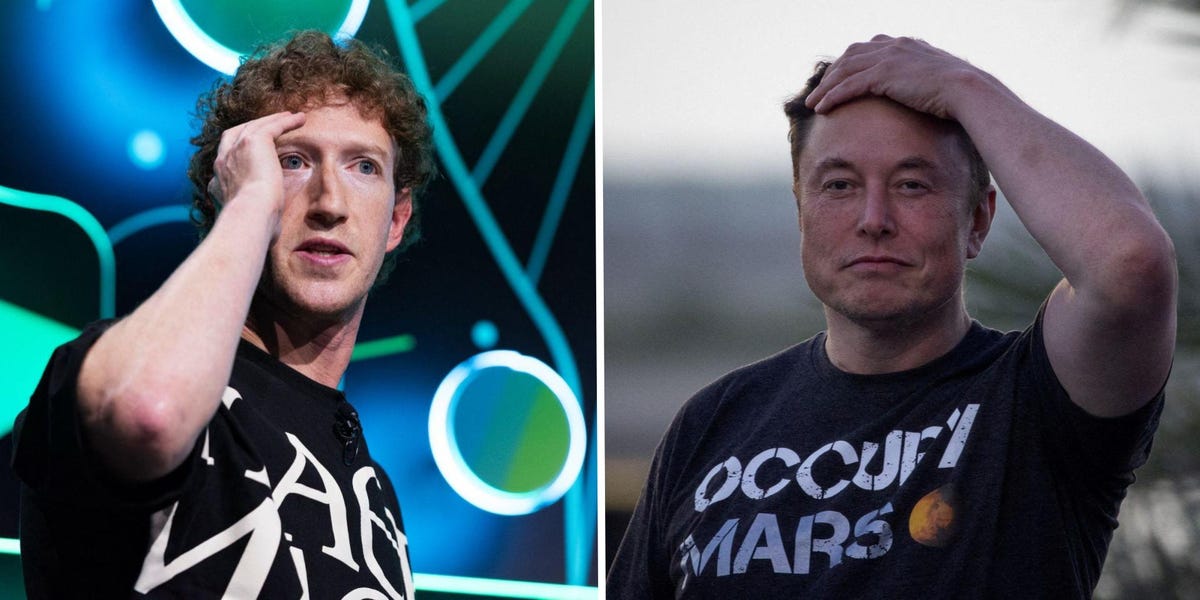
Elon Musk proposed to Mark Zuckerberg the possibility of jointly bidding for OpenAI’s intellectual property prior to Musk’s unsolicited offer for the ChatGPT creator in February 2025. This information emerges from newly unredacted court documents linked to Musk’s ongoing lawsuit against OpenAI and its CEO, Sam Altman.
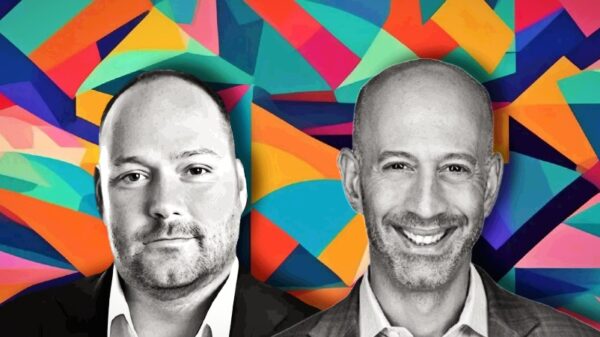
The documents reveal a series of communications between Musk and Zuckerberg, who have experienced a tumultuous relationship, including challenges to mixed martial arts fights. In one notable text exchange, Zuckerberg reached out to Musk on February 3, 2025, at 10:04 p.m. PT, remarking on the progress of the White House DOGE office, where Musk serves as the de facto leader. He indicated that his teams were prepared to take action against threats or doxxing directed at individuals associated with Musk at DOGE, stating, “Let me know if there is anything else I can do to help.”
Shortly after receiving Zuckerberg’s message, Musk responded with a heart emoji and inquired about the prospect of collaborating on a bid for OpenAI’s IP. “Are you open to the idea of bidding on the OpenAI IP with me and some others?” he texted. Zuckerberg expressed interest, replying, “Want to discuss live?” Musk indicated he would call in the morning, although it remains unclear whether that call took place. A spokesperson for Meta declined to comment when contacted by Business Insider.
According to a court briefing submitted by OpenAI on August 21, 2025, Musk identified Zuckerberg as someone he communicated with regarding potential financing arrangements or investments in OpenAI. However, OpenAI clarified that neither Zuckerberg nor Meta signed the letter of intent associated with these discussions.
On February 10, 2025, a consortium of investors led by Musk’s xAI presented an unsolicited bid of $97.4 billion to acquire the entity controlling OpenAI, aiming to prevent its transition to a for-profit organization. Musk’s attorney, Marc Toberoff, submitted the bid in an effort to block the shift from a nonprofit to a profit-driven model. In response to the offer, OpenAI CEO Sam Altman dismissed the bid on social media, quipping, “no thank you but we will buy Twitter for $9.74 billion if you want.”
Musk’s legal conflict with OpenAI dates back to August 2024, when he filed a lawsuit against Altman and other board members. Musk claims he was misled into investing, alleging that the initial proposal was to fund a nonprofit aimed at developing AI for the benefit of humanity rather than for profit. Having invested approximately $38 million in the organization’s early years, Musk’s lawsuit is now seeking damages of up to $134 billion.
In a separate communication on December 13, 2024, Zuckerberg informed Musk that someone had leaked Meta’s letter to the California Attorney General, which supported Musk’s lawsuit against OpenAI. “Wanted to make sure you heard this from me,” Zuckerberg noted.
OpenAI officially completed its transition from a nonprofit to a for-profit company in October 2025, although it retained a nonprofit wing to continue its mission. Musk’s legal battle against Altman and OpenAI is set to commence jury selection on April 27, 2026, in Oakland, California, as the tech community watches closely for the implications this high-profile case may have on the future direction of AI governance and investment.
See also Germany”s National Team Prepares for World Cup Qualifiers with Disco Atmosphere
 95% of AI Projects Fail in Companies According to MIT
 AI in Food & Beverages Market to Surge from $11.08B to $263.80B by 2032
 Satya Nadella Supports OpenAI’s $100B Revenue Goal, Highlights AI Funding Needs
 Wall Street Recovers from Early Loss as Nvidia Surges 1.8% Amid Market Volatility