







































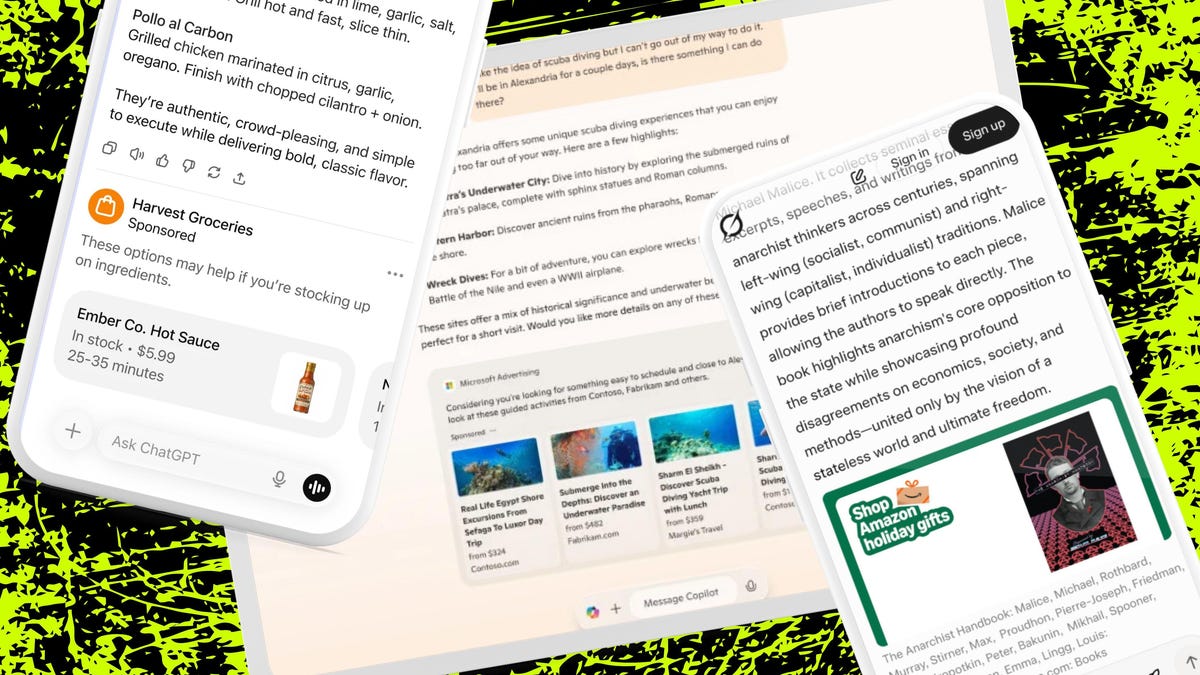
OpenAI has recently announced plans to initiate limited ad testing within its popular ChatGPT platform, stirring significant attention and criticism from industry peers. The trial, which will involve users on the Free and Go tiers in the U.S., is set to place sponsored content at the bottom of responses when deemed relevant to the conversation. OpenAI maintains that these ads will be clearly labeled and kept separate from the chatbot’s organic answers, ensuring they do not influence the responses users receive. However, critics, including rival company Anthropic, have expressed concerns about the implications of such advertising practices, particularly in sensitive contexts.
In a bold marketing move, Anthropic released a series of Super Bowl commercials that satirize the prospect of ads embedded in AI conversations, pointing out scenarios where users seeking genuine assistance are instead funneled toward irrelevant commercial offers. Sam Altman, CEO of OpenAI, acknowledged the humor in the ads but labeled them “deceptive,” affirming that the company’s advertising approach will avoid encroaching on sensitive topics, such as health or politics. Despite this, the broader question remains: as AI chatbots continue to evolve, how many will adopt ad-supported models, and what implications will this have for user experience?
Currently, the landscape among major AI platforms varies widely in terms of advertising strategies. Anthropic’s Claude stands out as the only significant AI chatbot explicitly committed to remaining ad-free. The company argues that integrating ads would conflict with the often sensitive and complex nature of AI interactions and has pledged to offer users an ad-free experience. For now, Claude relies solely on subscription and enterprise contracts for funding.
In contrast, Google’s Gemini is reportedly preparing to introduce ads in 2026, although specifics on ad implementation remain vague. Currently, Gemini’s support material states that chats are not being used for advertising, but Google has begun experimenting with ads in its AI Mode, suggesting potential monetization strategies that could include product recommendations and in-chat purchasing options.
Microsoft has already integrated advertising into its Copilot tool, which is connected to Microsoft Advertising. Sponsored content is a planned part of the user experience, appearing below responses with clear explanations of their relevance. Microsoft has described itself as a pioneer in advertising within generative AI experiences, indicating a shift towards monetization through various ad formats.
Similarly, Perplexity has introduced ads formatted as sponsored follow-up questions and accompanying media, asserting that these elements do not compromise the objectivity and accuracy of answers. This approach reflects a growing trend among AI developers seeking sustainable revenue models beyond traditional subscription services.
Meanwhile, xAI’s Grok is aligning itself with the ad-driven business model of its parent platform, X. Elon Musk has indicated that Grok is likely to feature ads within responses, aiming to provide targeted solutions to user inquiries. As of 2026, users have reported seeing relevant advertisements integrated into conversations on Grok, demonstrating a clear intent to capitalize on user engagement through advertising.
Notably, while Meta AI does not currently endorse ads within chatbot interactions, it confirms that user interactions inform content personalization across its platforms, indicating a broader advertising ecosystem tied to its AI tools.
As the AI landscape continues to develop, the commitment to an ad-free experience remains tenuous. Anthropic’s Claude presents a clear choice for those prioritizing an uninterrupted conversational experience, while other platforms are veering towards monetization strategies that integrate advertising into AI interactions. The emergence of ads in AI chatbots is not inherently detrimental; rather, it signifies an industry shift aimed at sustaining growth and innovation. However, the challenge lies in balancing monetization with user satisfaction, especially as consumers become increasingly wary of intrusive advertising tactics. The unfolding dynamics will likely shape the future of AI interactions, paving the way for more nuanced approaches to advertising and user engagement.
See also WHO Faces Clash Over AI Data Sovereignty as Global Health Governance Unfolds
 Palantir’s AI Platform Fuels 1,700% Stock Surge, Unlocks $4.3B in New Contracts
 Meta Tests Standalone ‘Vibes’ App for AI-Generated Videos, Reshaping Content Creation
 UN Submits 40 Experts for Global AI Panel to Enhance Governance and Safety Post-Approval
 U.S. Software Stocks Plunge 2.8% Amid $950B AI Disruption Fears; ServiceNow, Salesforce Hit Hard