







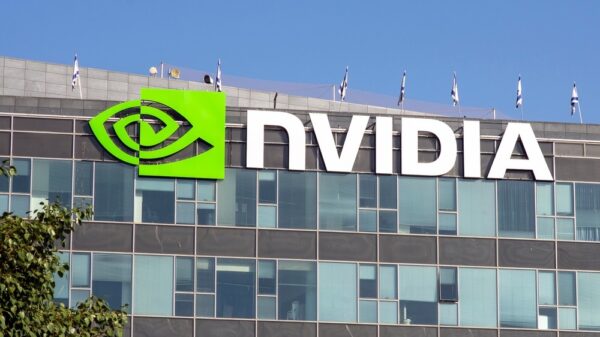























Peter Thiel, the billionaire investor from Silicon Valley, has recently made a notable shift in his investment strategy by divesting from Nvidia (NASDAQ: NVDA) and reallocating those funds into positions in Apple (NASDAQ: AAPL) and Microsoft (NASDAQ: MSFT). This decision comes amid a rapidly evolving landscape in artificial intelligence (AI), where Nvidia has dominated the market thanks to its highly sought-after GPU technology.
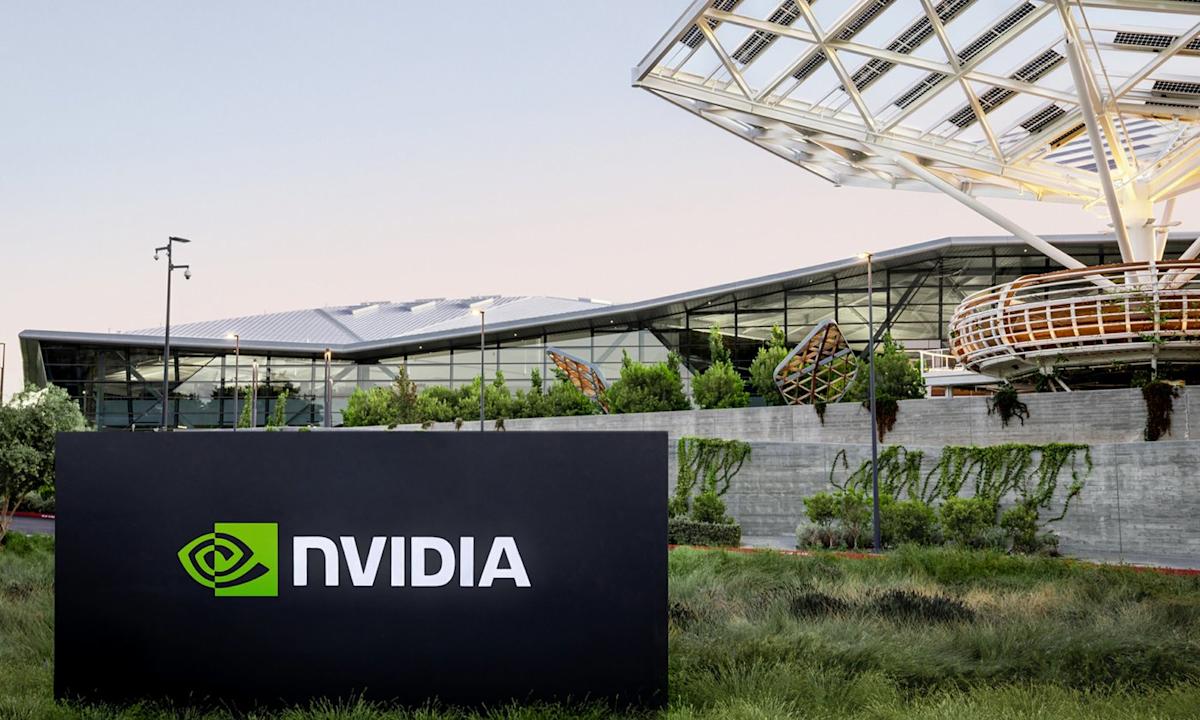
Thiel’s hedge fund, Thiel Macro, disclosed in its latest 13F filing that it completely sold its stake in Nvidia during the third quarter. Instead, the fund has shifted its focus toward Apple and Microsoft, both of which are considered integral players in the AI ecosystem. The move has raised eyebrows, given Nvidia’s meteoric rise in valuation over the last few years, which has seen its stock increase by approximately 1,000% as it became the most valuable company in the world.
Despite Nvidia’s impressive trajectory, Thiel, known for his contrarian approach, appears to be anticipating a shift in the market dynamics. Investors might assume that a full divestment from such a high-flying stock is ill-advised, yet Thiel’s strategy aligns with a broader trend: Nvidia’s market cap has ballooned to $4.5 trillion, potentially signaling its transition from a growth stock to a macroeconomic indicator susceptible to geopolitical risks, tariffs, and evolving industry standards.
Prior to the current AI boom, some considered Apple and Microsoft to be relics of a bygone era in technology. However, Thiel’s investment choices suggest he sees untapped potential in these companies. For Apple, its extensive ecosystem, encompassing over 2 billion devices, provides a robust platform for developers creating AI products. While Apple may not be leading in AI innovation, its established infrastructure allows it to monetize the integration of AI applications without significant investment in the technology itself.
On the other hand, Microsoft is actively positioning itself as a leader in AI with ongoing developments in cloud infrastructure, programming, and enterprise solutions. The company’s Azure platform, along with tools such as GitHub, Office, and Teams, are essential components for businesses looking to leverage AI technologies. These offerings create a network effect that makes it challenging for enterprises to switch to competing platforms, thereby strengthening Microsoft’s foothold in the market.
Thiel’s pivot from Nvidia can be likened to a metaphorical shift in a gold rush. Nvidia has played the role of a pick and shovel supplier—profiting handsomely during the initial exploration phase of AI. However, as gold rushes are inherently transient, the landowners, represented by Apple and Microsoft, may ultimately realize sustained profits as they control the platforms where AI development occurs.
Looking towards the future, Thiel’s strategy appears to be one of maximizing risk-adjusted returns amid a crowded Nvidia landscape. By moving away from a stock that has become a consensus favorite, he is betting on the long-term advantages held by companies like Apple and Microsoft, which could evolve into dominant players in the AI space by the 2030s.
Before making investment decisions related to Nvidia, potential investors should consider the insights from The Motley Fool, which recently highlighted ten stocks they believe are better investment opportunities. Nvidia was notably absent from this list, which has previously identified high-return stocks such as Netflix and included Nvidia on its recommendation list in the past.
In conclusion, Thiel’s recent actions reflect a calculated move in an increasingly complex AI landscape. As the industry continues to evolve, his decision to favor Apple and Microsoft over Nvidia could signal a shift in investor sentiment, one that recognizes the sustained value in established ecosystems over fleeting trends.
See also Peter Thiel Sells Nvidia, Invests in Apple and Microsoft Amid AI Market Shifts
 OpenAI Introduces Ads in ChatGPT for U.S. Users, Aims to Expand AI Accessibility
 Opera’s One R3 Launch: A Game-Changer for Investors Amid AI Risks and Growth Potential
 Ex-Google Engineer Accused of Stealing AI Trade Secrets for China in High-Stakes Trial
 Global Call for AI Regulation Urges Accountability to Safeguard Democracy, Says National Council Chair