


















































What Users Should Know Before Buying
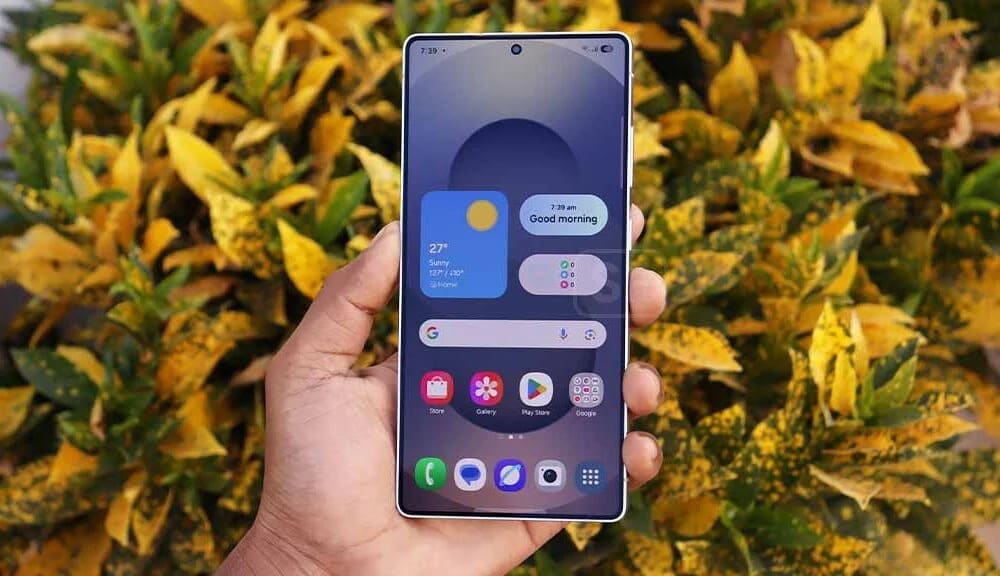
As Samsung gears up for the launch of its next flagship device, early discussions surrounding the Galaxy S26 Ultra are intensifying. While rumors suggest enhancements in camera technology and AI capabilities, one issue that has captured attention in tech forums and news outlets is the possibility of charging restrictions. For a company that has long positioned quick charging as a premium feature, any indication of stricter limits raises questions about safety, battery health, and cost control, prompting potential buyers to reconsider their purchasing decisions.
Smartphone manufacturers have had to navigate a complex landscape in recent years. Consumers desire faster charging, but increased speed often leads to more heat, which can degrade battery performance over time. In prior iterations of its Galaxy models, Samsung has prioritized temperature management and battery longevity over simply boasting high charging speeds. Rumors surrounding the Galaxy S26 Ultra indicate that Samsung may adopt a more conservative approach to charging output compared to other smartphone makers. This does not necessarily mean longer charging times; rather, it suggests that Samsung may avoid the aggressive power competition found in the broader Android market.
This shift could lead to confusion among consumers, who increasingly evaluate flagship phones not only on camera quality and performance but also on charging efficiency. The anticipated decision aligns with a broader trend in the industry, where manufacturers are reassessing how they balance charging speeds with long-term battery health.
The expected changes in charging strategy do not arise in a vacuum. Evolving regulations and past incidents have shaped Samsung’s approach to battery safety. The company has increasingly focused on several key areas: thermal management, battery longevity, and software-based charging optimization. Should the Galaxy S26 Ultra feature tighter charging limits, it would likely represent a continuation of Samsung’s broader strategy rather than a regression in quality.
Practically speaking, consumers might still experience rapid and reliable charging without the high wattage numbers that often dominate spec sheets, providing diminishing returns in everyday use. For most users, consistent charging experiences matter more than peak speeds. If Samsung effectively adjusts the charging curves for the Galaxy S26 Ultra, the distinction between higher and slightly lower wattage may be negligible.
What will be crucial, however, is delivering stable charging performance, characterized by reduced heat, slower battery wear over years, and more reliable functionality in warmer climates. This is particularly relevant for consumers in regions with high ambient temperatures, where excessive charging can exacerbate battery strain.
Within the competitive flagship market, some manufacturers highlight ultra-fast charging as a selling point, while others emphasize durability and ecosystem integration. Samsung appears to be leaning toward the latter approach. Instead of competing solely on raw charging metrics, the Galaxy S26 Ultra may focus on offering stable all-day battery life, intelligent charging modes, and enhanced long-term durability.
This strategy might seem overly cautious for power users who frequently charge their devices throughout the day. However, for those who prioritize longevity, it could be a more advantageous approach. Prospective buyers should consider whether they prioritize battery health over peak charging speed, whether they intend to keep their phones for several years, and if they often charge their devices in warmer environments.
Samsung’s approach signals a commitment to designing the S26 Ultra for sustained performance rather than merely chasing short-term benchmarks. This strategy reflects a larger trend in the smartphone industry, where performance improvements are reaching a plateau, prompting manufacturers to refine how devices perform over time rather than pursue extremes.
The implications of charging restrictions may not be entirely negative. When applied judiciously, they represent a shift toward responsible optimization, particularly in light of increasing regulatory scrutiny and evolving consumer expectations. For Samsung, the Galaxy S26 Ultra represents more than a series of technical upgrades; it encapsulates the company’s vision for the future of premium smartphones—characterized by control, robustness, and reliability.
In conclusion, the proposed charging limitations for the Samsung Galaxy S26 Ultra are unlikely to deter most consumers. Instead, they underscore Samsung’s emphasis on long-term usability, safety, and battery health, rather than merely focusing on eye-catching specifications. As more details emerge leading up to the official launch, consumers will gain a clearer understanding of the device’s capabilities. For now, the ongoing discussions highlight how even subtle design choices can shape consumer perceptions and expectations for flagship devices.
This article will be updated once Samsung confirms official specifications and charging details.
See also Cohere Joins Canada’s $100M Club in 2025; 77 Tech Firms Achieve Revenue Milestones
 New Studies Reveal Critical Insights on Human-AI Interaction and Emotional Dynamics
 AI-Driven Extended FP&A Platforms Boost Corporate Agility, Cut Reporting Time by 30%
 AI Revolutionizes Pharma: Faster Drug Development Amid Stricter Regulations