









In a significant move to regulate artificial intelligence, the U.S. Senate has introduced the Artificial Intelligence Civil Rights Act of 2025, which aims to protect individual rights in the face of growing algorithmic decision-making. Proposed on December 2, 2025, the bill currently has four cosponsors and seeks to establish a framework for ethical practices and accountability among developers and users of algorithms.
The core objective of the bill is to prohibit discriminatory practices stemming from algorithmic usage, ensuring that individuals are not unfairly disadvantaged based on traits such as race or gender. This initiative responds to increasing concerns about bias in AI systems and the potential for algorithms to perpetuate existing social inequalities.
To further bolster accountability, developers are mandated to conduct evaluations and impact assessments of their algorithms prior to implementation. This requirement aims to identify any potential harms that may arise from algorithmic decisions, allowing for necessary adjustments that prioritize community welfare and individual rights.
Transparency is a critical component of the legislation. The bill requires clear communication regarding the functioning of algorithms and the data they utilize, ensuring that individuals understand how their personal information is being leveraged. Compliance will be supported by facilitating information sharing among organizations, fostering a culture of openness.
The act also underscores the importance of personal data privacy, compelling developers to adopt robust measures to safeguard individual information during the creation and deployment of algorithms. This emphasis on ethical data usage aims to ensure that personal data is handled responsibly, reflecting a broader societal commitment to privacy in the digital age.
A significant aspect of the bill involves the allocation of federal resources for algorithm auditing and compliance monitoring. The legislation proposes to establish a new occupational series within the Office of Personnel Management dedicated to algorithm auditing, enabling the hiring of up to 500 personnel to ensure adherence to the newly established standards.
Importantly, the bill stipulates that it will not undermine existing federal or state regulations related to privacy and discrimination, thereby preserving current protections even as new provisions are introduced. This dual-layered approach aims to create a more secure environment for individuals as AI technologies continue to proliferate.
The implications of the Artificial Intelligence Civil Rights Act of 2025 could be far-reaching for major technology companies. Alphabet Inc. may face heightened compliance demands regarding the algorithms employed in its search and advertising services. Similarly, Microsoft will likely need to adjust its AI-related products to align with the new transparency and auditing requirements. Amazon could be impacted by the legislation, particularly in terms of its algorithmic practices in e-commerce and cloud computing. Moreover, Meta Platforms, known for its content distribution algorithms, may need to modify its operational protocols to conform to the stipulations of the act.
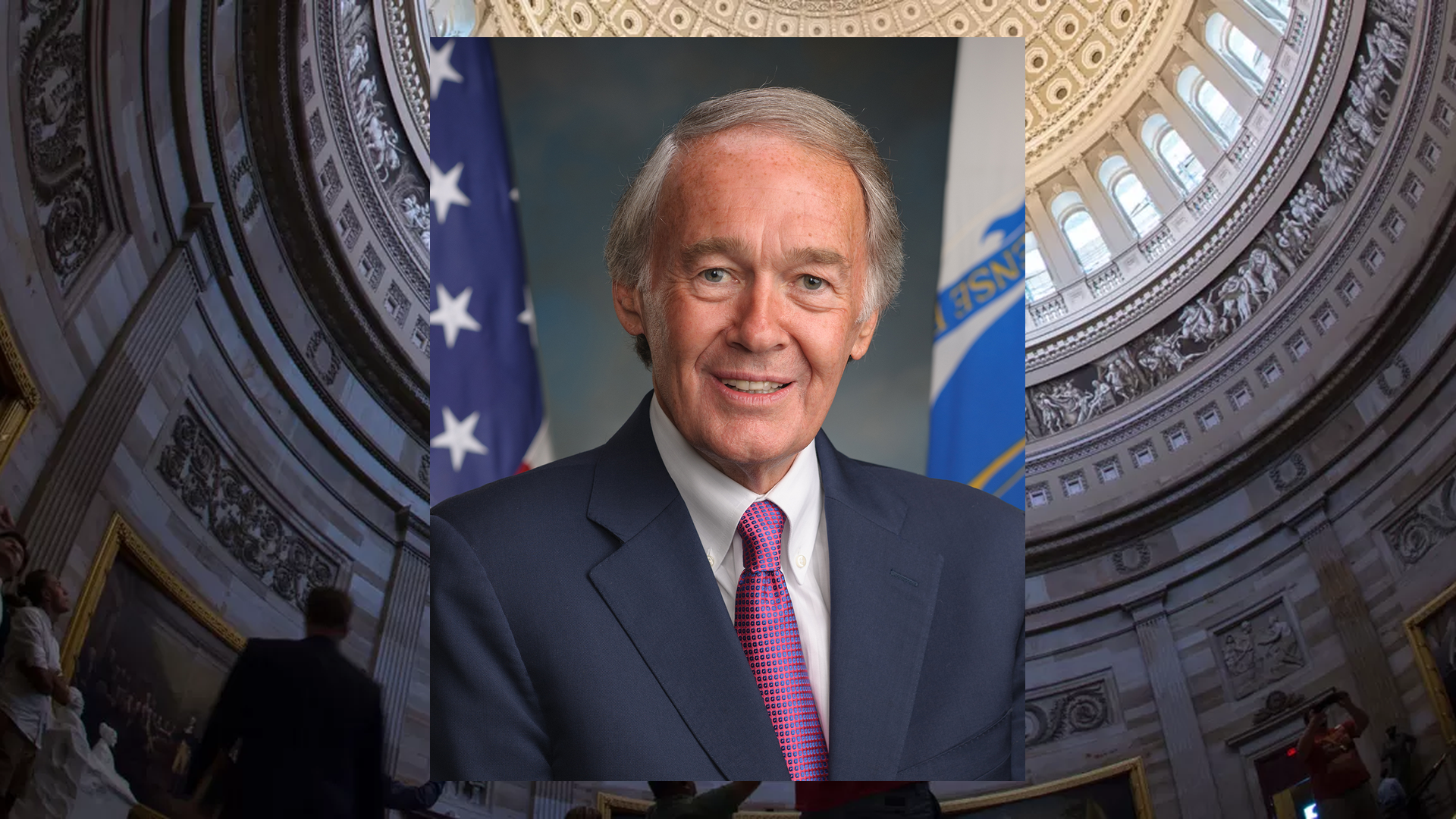
Alongside this legislative proposal, Senator Edward J. Markey has introduced several other bills aimed at various policy areas, including immigration and energy regulations. These initiatives reflect a broader legislative agenda focused on addressing pressing societal issues through comprehensive policy reforms.
The introduction of the Artificial Intelligence Civil Rights Act of 2025 signals a critical step towards ensuring that technological advancements do not come at the expense of civil rights. As society increasingly relies on AI systems, this legislation seeks to create a balanced framework that prioritizes ethical considerations and individual protections.
See also Tesla’s FSD Launches in UAE by January 2026, Achieves Low Hallucination Rate
 Factchequeado Invites Latino Media to Apply for $3,000 AI Training Grants by Jan 12, 2026
 Sam Altman: AI’s Next Leap to Superhuman Memory Expected by 2026 Amidst Fierce Competition
 Amazon Blocks AI Shopping Bots Amid Growing Competition for E-Commerce Control
 AI Tool NutriSighT Predicts Nutrition Risks for ICU Ventilator Patients, Enhancing Care