
















































OpenAI has launched a significant update to its popular language model, GPT-4, introducing a new feature that allows users to access the AI’s reasoning processes. Announced on October 3, 2026, the feature, called “Insight Mode,” aims to enhance transparency and user trust by allowing users to see the steps the model takes in generating responses. This update is seen as a response to growing demands for accountability in artificial intelligence as the technology becomes more widely adopted across various sectors.
With Insight Mode, users can now view annotations that detail the reasoning behind each response generated by GPT-4. This is particularly relevant in fields such as healthcare, finance, and legal services, where decisions made by AI systems can have significant consequences. OpenAI’s move comes at a time when regulatory bodies are increasingly scrutinizing AI technologies to ensure they operate safely and ethically. The company emphasized that the feature is designed to make the model more user-friendly and accessible for a broader audience.
Feedback from early testers indicates that Insight Mode successfully demystifies the AI’s processes, allowing users to better understand how conclusions are reached. “By providing visibility into the model’s logic, we aim to empower users and help them build trust in AI,” said Sam Altman, CEO of OpenAI. He added that this feature is a step toward making AI systems more interpretable and user-centric.
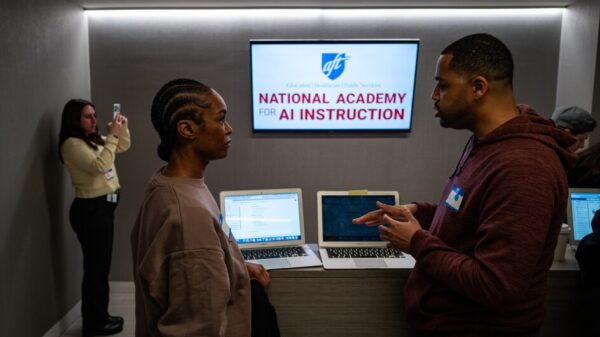
In a related development, OpenAI is also increasing its focus on educational applications of its technology. The company is collaborating with various educational institutions to integrate GPT-4 into learning environments, targeting both student engagement and faculty support. This initiative aligns with OpenAI’s mission to ensure that the benefits of artificial intelligence are shared broadly.
The introduction of Insight Mode arrives as competitors, including Nvidia and Google, also enhance their AI offerings. Nvidia, known for its advanced graphics processing units, is ramping up efforts in generative AI, while Google is pushing forward with its Gemini model, which focuses on multimodal applications. Both companies are keen on capturing market share in the rapidly evolving AI landscape.
Market analysts see these developments as indicative of a broader trend toward transparency in AI operations. “As AI becomes more integrated into daily life, users will demand to know how these systems work,” noted technology analyst Jane Doe of TechInsights. “OpenAI’s Insight Mode is a significant step in that direction, potentially setting a new standard for user interaction with AI.” Many experts believe that the ability to audit AI reasoning could reduce instances of bias and error, enhancing overall performance and reliability.
OpenAI’s initiative comes amid discussions on the ethical implications of AI, particularly regarding the potential for bias in AI-generated outputs. By making reasoning processes visible, the company hopes to address concerns about accountability and fairness. The move also highlights a growing acknowledgment within the industry that understanding AI’s decision-making is essential for mitigating risks associated with its deployment.
Looking ahead, the implications of Insight Mode may extend beyond merely improving user experience. It could pave the way for regulatory frameworks that require AI developers to provide clearer explanations of how algorithms operate. As governments around the world consider legislation on AI technologies, OpenAI’s proactive approach may serve as a model for others in the industry.
As the demand for ethical and transparent AI continues to rise, OpenAI’s latest update signals a commitment to addressing these critical issues head-on. The launch of Insight Mode may not only enhance user trust but could also reshape public perception of AI systems, potentially influencing future developments in the sector. For more information on OpenAI’s GPT-4 and its new features, visit the official OpenAI website.
See also Chinese AI Firms Defend Safety Practices Amid Global Criticism and Restrictions
 Wall Street Dips as AI Competition Threatens Tech Margins Amid Renewed U.S.-Iran Tensions
 AI Adoption Fuels 55,000 U.S. Layoffs in 2025 as Companies Restructure Workforce
 Amazon and Prosus Form $100M AI Cloud Partnership to Boost Global Expansion
 Sandisk’s AI NAND Demand Fuels 31.8% Stock Surge Amid Kioxia Supply Deal