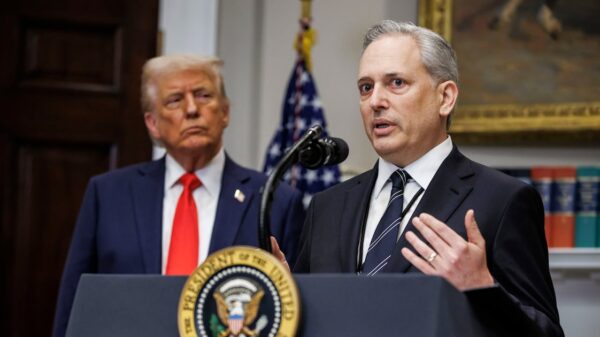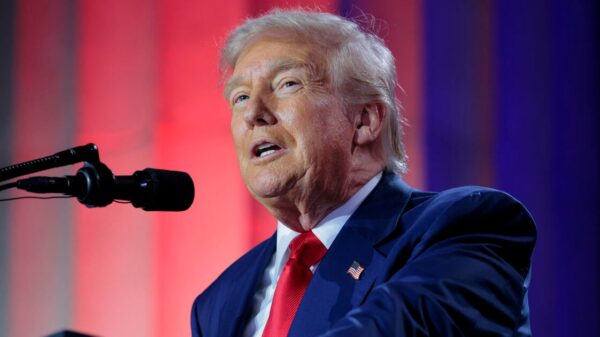













































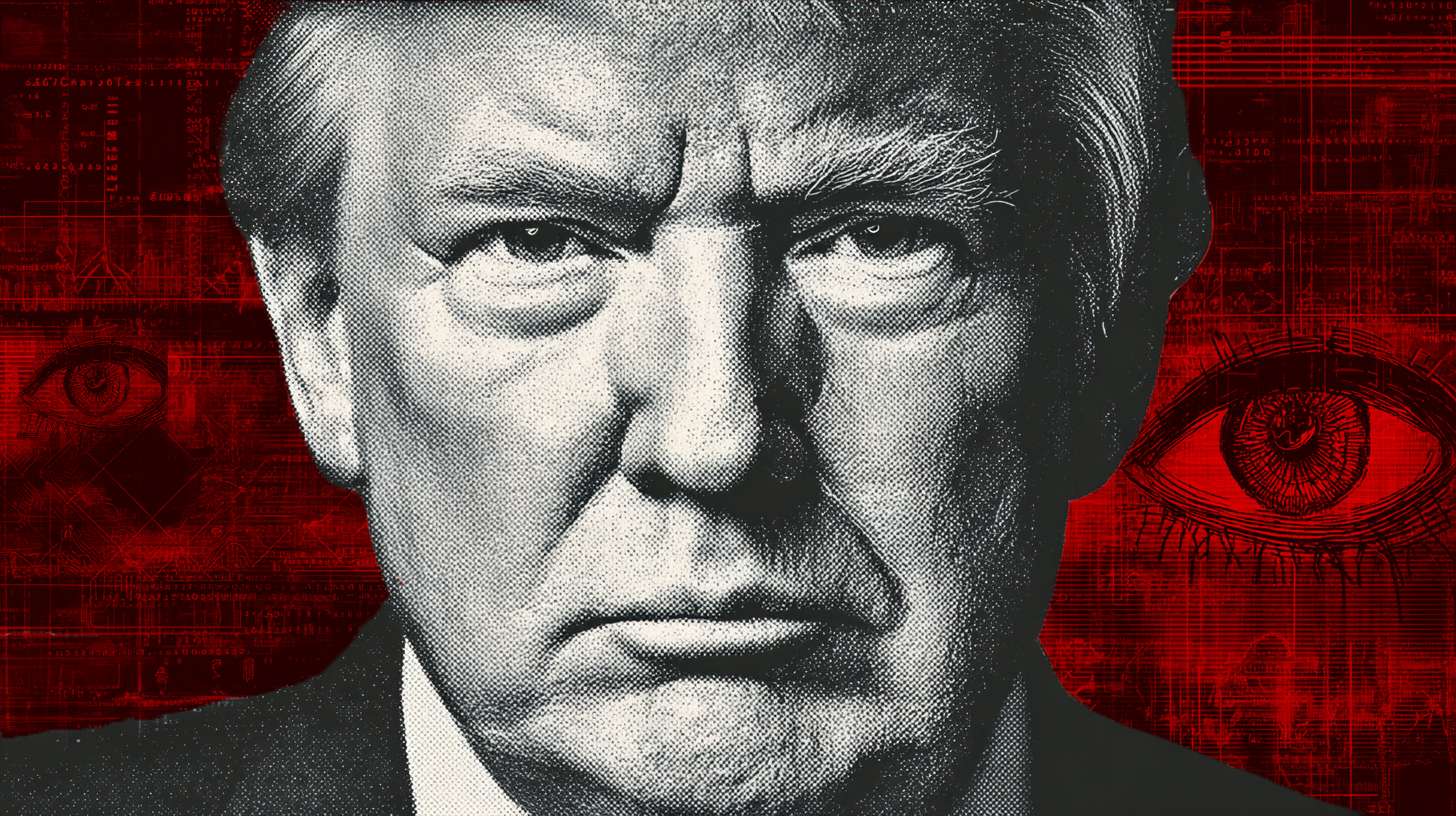
This week, President Donald Trump urged Congress to reauthorize a controversial provision of federal law that enables government surveillance of noncitizens but can also impact American citizens. Lawmakers, including some Republicans who previously expressed skepticism, have rallied in support of this measure.
Section 702 of the FISA Amendments Act of 2008 allows the government to conduct targeted surveillance of foreign individuals outside the United States. According to the Office of the Director of National Intelligence, this provision facilitates the collection of foreign intelligence information with the cooperation of electronic communication service providers. Notably, government agents can sift through this data without obtaining a warrant, raising concerns about privacy implications.
The law includes a sunset clause, meaning it will automatically expire unless Congress votes to reauthorize it periodically. Last reauthorized in 2024, Section 702 is set to expire on April 20 unless renewed. Some lawmakers are advocating for amendments to the law before agreeing to its renewal, while others, including House Speaker Mike Johnson (R–La.), are pushing for a clean extension of the law.
Trump has aligned with Johnson, stating, “When used properly, FISA is an effective tool to keep Americans safe,” in a post on Truth Social. He has called for an 18-month extension without changes. This stance marks a notable shift from his previous position; in 2024, Trump criticized FISA vehemently, stating, “KILL FISA… IT WAS ILLEGALLY USED AGAINST ME, AND MANY OTHERS.” Just days later, however, he indicated to reporters that he was “not a big fan of FISA, but I told [Republicans], ‘do what you want.'”
Critics argue that the government’s assurances that Section 702 is not directed at Americans fail to address the implications of “incidental collection.” Patrick G. Eddington from the Cato Institute emphasizes that when an American communicates with a foreign target, their communication is captured as well. This process, termed incidental collection, is seen as an inevitable, systematic outcome that provides the government with valuable information.
Recent data shows a significant increase in the FBI’s use of Section 702 data. Between December 2024 and November 2025, the FBI conducted 7,413 searches of data obtained through this provision, marking a 34% increase from the previous year, according to Reason’s Elizabeth Nolan Brown.
The potential for abuse is acknowledged even by the government itself. The Privacy and Civil Liberties Oversight Board (PCLOB), an independent watchdog agency, reported in 2023 that Section 702 poses “significant privacy and civil liberties risks.” The Board noted that while the statute targets non-U.S. persons, the incidental collection of communications from U.S. citizens is substantial.
Despite these concerns, Congress has historically been reluctant to impose stricter regulations. During the last reauthorization in 2024, a proposed amendment requiring warrants for searching collected data was defeated with the help of House Democrats. This trend may be repeating itself; Rep. Jim Jordan (R–Ohio), who initially supported the warrant amendment, has indicated he will vote for an extension without changes.
In a statement, Rep. Jim Himes (D–Conn.), ranking member of the House Intelligence Committee, argued, “Allowing this authority to expire would put the American people at severe risk.” He pointed out that Congress had instituted 56 reforms to enhance oversight of the program, claiming there has been no evidence of intentional abuse since those changes were made.
However, skepticism remains about the efficacy of these reforms. Critics, including the Electronic Privacy Information Center, the Brennan Center for Justice, and FreedomWorks, have contended that the 56 reforms merely codify the status quo and do not adequately address the risks associated with Section 702. Eddington noted that reauthorization may actually expand the law’s reach to include cloud-based storage companies under its definition of “electronic communications service provider.”
While Trump has often criticized the intelligence community for possible abuses, his statements this week hinted at a lack of interest in significantly restricting its powers when in office. As Congress prepares to vote on this contentious issue, the debate over privacy and national security continues to unfold, underscoring the complexity of balancing civil liberties with the need for effective surveillance in an increasingly interconnected world.
See also Germany”s National Team Prepares for World Cup Qualifiers with Disco Atmosphere
 95% of AI Projects Fail in Companies According to MIT
 AI in Food & Beverages Market to Surge from $11.08B to $263.80B by 2032
 Satya Nadella Supports OpenAI’s $100B Revenue Goal, Highlights AI Funding Needs
 Wall Street Recovers from Early Loss as Nvidia Surges 1.8% Amid Market Volatility