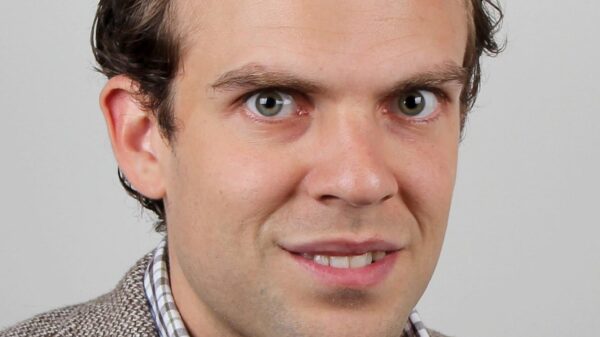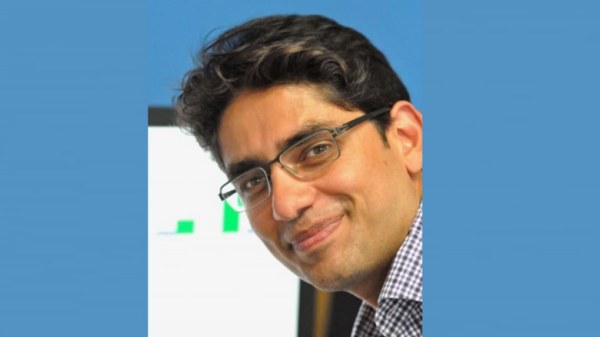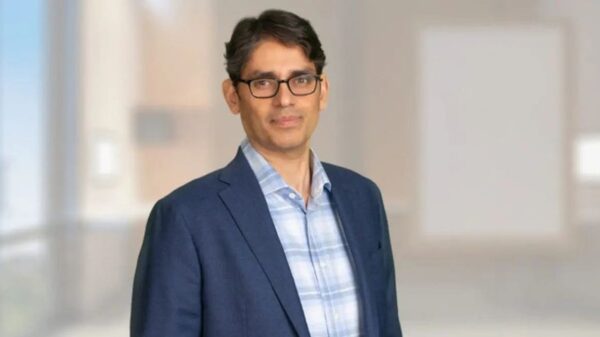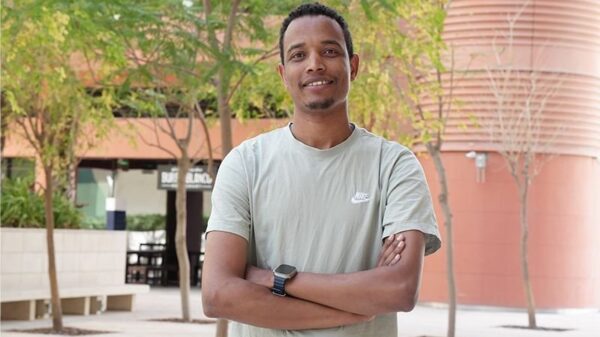



































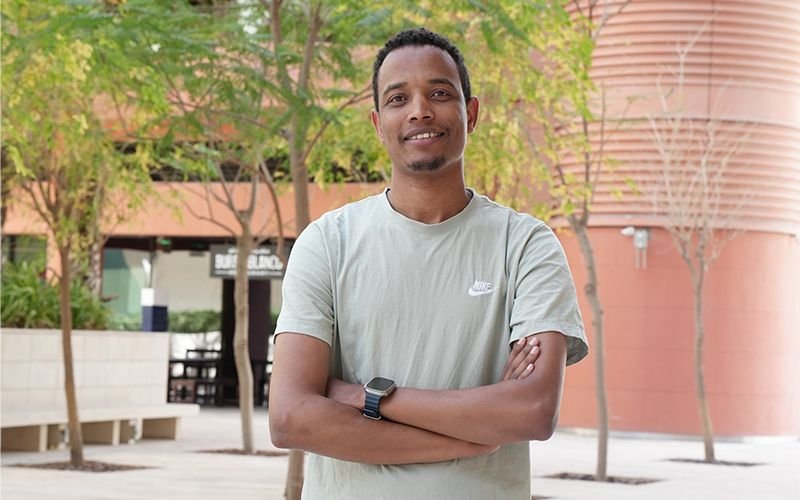
University College London (UCL) has appointed Dr Atnafu Lambebo Tonja as a Google DeepMind Academic Fellow at its Centre for Artificial Intelligence, enhancing efforts to advance multilingual and under-resourced language technologies. This appointment, announced on October 1, 2023, is part of a collaborative initiative between UCL and Google DeepMind that aims to nurture early-career researchers tackling significant applied AI challenges.
Dr Tonja’s research focuses on the development and evaluation of AI systems for low-resource languages. His work encompasses large language models, cross-lingual learning, and multimodal approaches that integrate speech, text, and vision. By concentrating on the languages often overlooked in mainstream AI model development, Dr Tonja aims to improve the cultural relevance and inclusion of AI systems in diverse linguistic contexts.
His research includes creating multilingual benchmarks and models tailored to specific regions, which is critical for enhancing the representation of linguistic diversity in AI technologies. Prior to joining UCL, Dr Tonja worked at the Mohamed bin Zayed University of Artificial Intelligence in Abu Dhabi, and he holds a PhD in Computer Science from the Instituto Politécnico Nacional in Mexico. His work has been recognized in prestigious forums including ACL, NAACL, EMNLP, NeurIPS, and TACL, earning him the EMNLP Outstanding Paper Award in 2024.
The fellowship represents a continuation of a successful partnership between UCL and Google DeepMind, which has previously funded MSc scholarships, PhD programs, and research leadership roles in artificial intelligence over the last ten years. This initiative builds on the foundation laid by the first Google DeepMind Academic Fellow at UCL, Dr David Adelani, who later transitioned into an academic position at McGill University.
Pontus Stenetorp, Head of the UCL NLP Group and Professor of Natural Language Processing at UCL, expressed enthusiasm about Dr Tonja’s appointment, stating, “With Atnafu, we are delighted to welcome another Google DeepMind Fellow to UCL. He already has a strong track record, and we look forward to working with him to further his research and career as part of the UCL NLP Group and the wider AI Centre.” This ongoing partnership underscores a commitment to connecting academic research with industry-supported AI development, particularly in areas where data availability and representation are constrained.
The Google DeepMind Academic Fellowship Programme aims to cultivate early-career researchers, focusing on both technical expertise and leadership skills. Professor David Barber, Director of the UCL Centre for AI, commented, “I’m delighted to welcome Atnafu to the UCL AI Centre. Atnafu brings deep technical knowledge and a passion to develop AI for good and to share AI skills widely.” He further noted, “Following the success of our previous Google DeepMind Fellowship, we’re excited to have Atnafu join us to continue the development of AI for underrepresented communities. We’re very grateful to Google DeepMind for this Fellowship which is designed to maximize the beneficial impact of AI and support the career development of promising talent in sustainable AI.”
Melanie Eusebe, Director of AI and Society at the Google DeepMind Impact Accelerator, also emphasized the significance of the fellowship, stating, “Supporting the next generation of high-potential talent to accelerate key research challenges using AI is central to the Google DeepMind Academic Fellowship Programme.” She added, “We are proud to fund UCL’s efforts to bring together world-leading expertise with an impact focus, enabling research with the potential to widen access to the benefits of AI for many more people globally.”
The appointment of Dr Tonja not only reflects UCL’s commitment to fostering innovation in AI but also highlights a broader movement towards inclusive technology development. As the demand for AI solutions grows, initiatives like the Google DeepMind Fellowship are vital for bridging gaps in representation and ensuring that advancements in AI benefit a diverse array of communities worldwide.
See also Germany”s National Team Prepares for World Cup Qualifiers with Disco Atmosphere
 95% of AI Projects Fail in Companies According to MIT
 AI in Food & Beverages Market to Surge from $11.08B to $263.80B by 2032
 Satya Nadella Supports OpenAI’s $100B Revenue Goal, Highlights AI Funding Needs
 Wall Street Recovers from Early Loss as Nvidia Surges 1.8% Amid Market Volatility