



















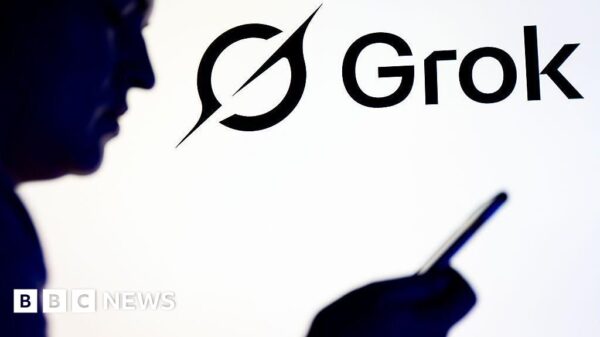



















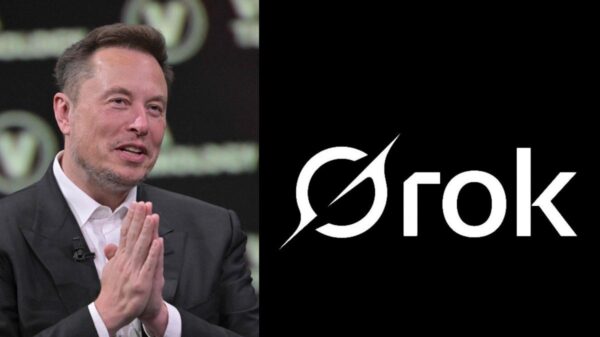




X, formerly known as Twitter, is under scrutiny as users exploit its AI chatbot, Grok, to create non-consensual intimate imagery. This troubling trend has seen individuals tagging Grok in replies to women—and even minors—requesting the generation of images depicting them in bikinis or undressed. The platform, along with its owner, Elon Musk, has reiterated that illegal content will not be tolerated.
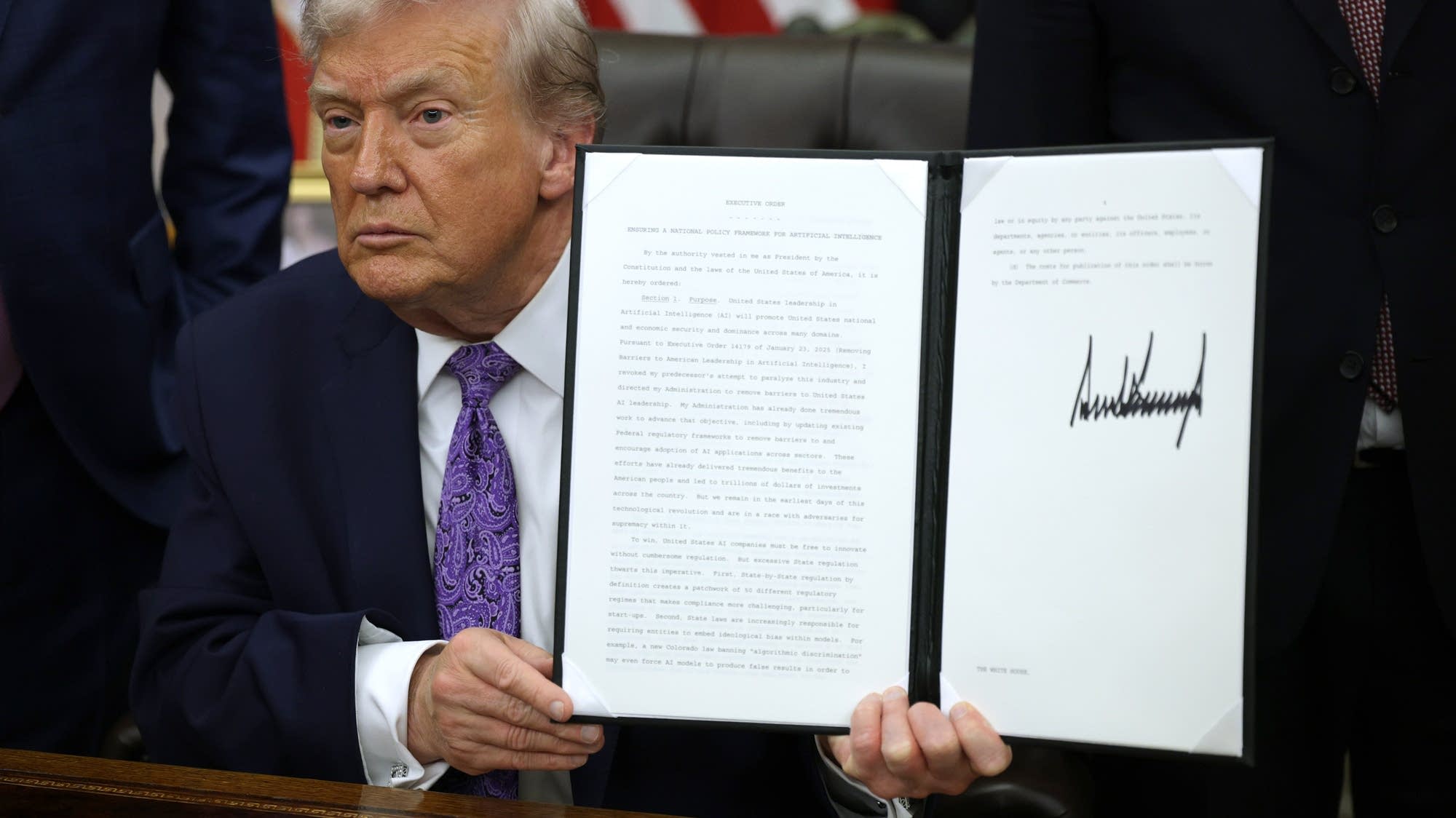
In a broader context, the issue is reflective of ongoing challenges in the regulation of AI technologies. In late 2022, former President Donald Trump signed an executive order aimed at preventing states from enforcing local regulations on AI—a move occurring as a significant number of states have begun to adopt some form of regulatory framework.
Meanwhile, Meta has encountered its own set of challenges. The company’s new Ray-Ban smart glasses are reportedly selling faster than anticipated, leading to supply chain strains as they struggle to meet demand. This rapid success is seen as both a boon and a burden for the tech giant.
In a recent discussion on Marketplace Tech Bytes, reporter Meghan McCarty Carino spoke with Maria Curi, a tech policy reporter at Axios, about these emerging issues. Curi emphasized the legal implications surrounding Grok’s generated imagery, which has raised multiple red flags, particularly as Australia’s online safety watchdog has begun investigating the platform’s capabilities to create deepfake images that “digitally undress” women.
The Australian investigation highlights the increasing concerns around ethical AI usage and the potential for harm, especially given the platform’s vast user base. Experts are warning that such applications of AI could lead to significant legal ramifications, as well as societal backlash against platforms that fail to adequately protect vulnerable users.
On the regulatory front, Trump’s executive order on AI has sparked discussions about the future of state-level governance over technology. Legal analysts suggest that this order may face challenges in court, given the growing public concern and legislative momentum favoring more stringent AI regulations. A report from Axios indicated that many states are poised to enact new laws governing AI by 2026, covering issues ranging from privacy to accountability in AI applications.
As for Meta’s Ray-Ban smart glasses, the company has paused international expansion efforts due to overwhelming demand, as noted by TechCrunch. The glasses, which integrate technology with fashion, have captured consumer interest, but rapid sales have led to difficulties in scaling production effectively.
In conclusion, the interplay between technological advancement and regulatory frameworks is becoming increasingly complex. As platforms like X grapple with misuse of AI technology, and companies like Meta deal with the implications of their own successful innovations, the tech industry must navigate a landscape fraught with ethical dilemmas and regulatory challenges. How these issues will unfold remains a key concern for policymakers, industry leaders, and users alike.
See also Idaho Secures $4M Federal Grant to Enhance AI Literacy for 90,000 Students Annually
 DeepSeek V4 Set to Launch Soon, Promises to Outperform Claude and ChatGPT in Coding
 Figma Stock: A Strong Buy at $37.33 Amid AI Innovations and Solid Growth Metrics
 China Probes Meta’s $2B Manus Acquisition to Curb ‘Singapore Washing’ Practices
 Experts Warn: Prepare for Potential AI Bubble in 2026 Amid Market Volatility