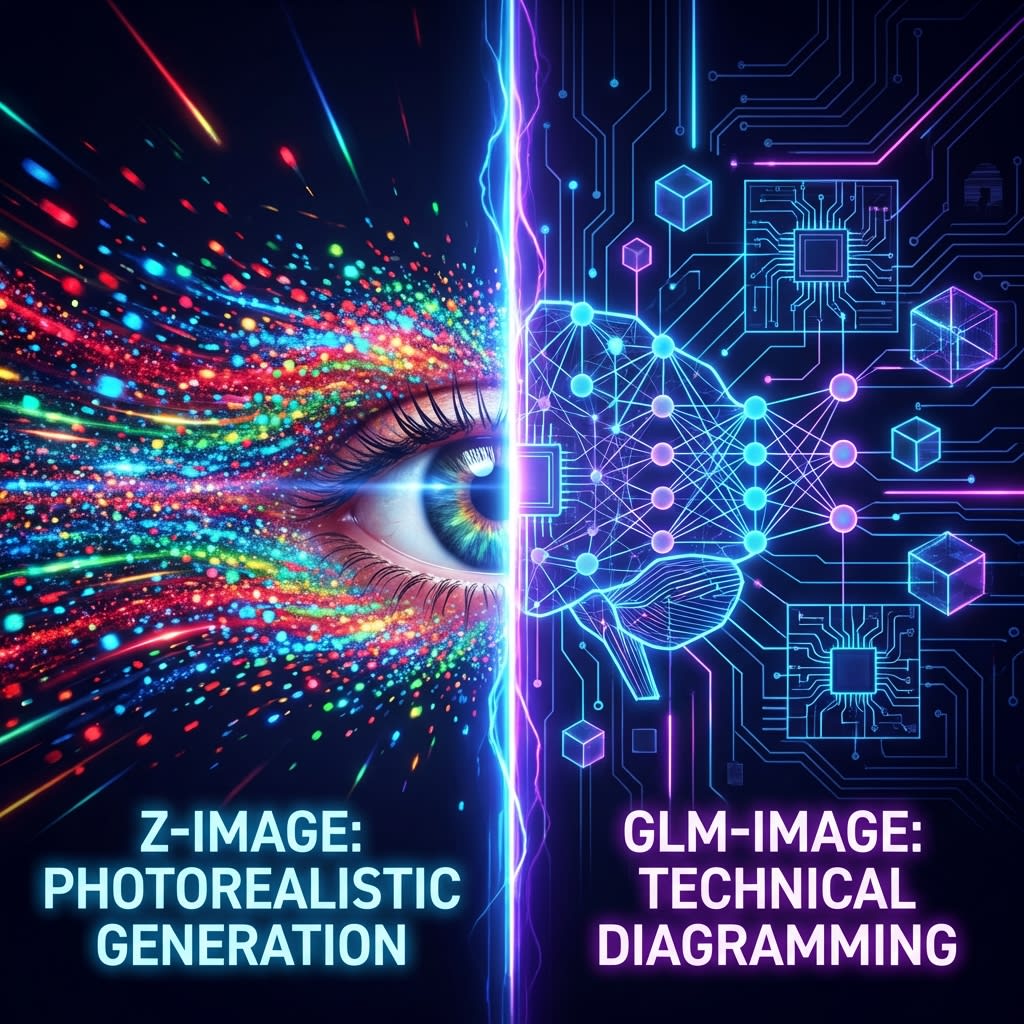
The landscape of AI image generation is experiencing rapid evolution, with recent innovations challenging previous benchmarks set by models like stable diffusion. Among the latest entrants, **Z-Image** and **GLM-Image** have emerged as significant contenders, each presenting distinct methodologies that could reshape digital art creation.
**Z-Image**, notable for its remarkable efficiency, is built on a Scalable Single-Stream Diffusion Transformer (S3-DiT) architecture, marking a departure from traditional U-Net designs. This innovative structure allows Z-Image to generate high-quality images at unprecedented speeds, particularly with its “Turbo” variant, which can produce images in sub-second times on standard consumer hardware.
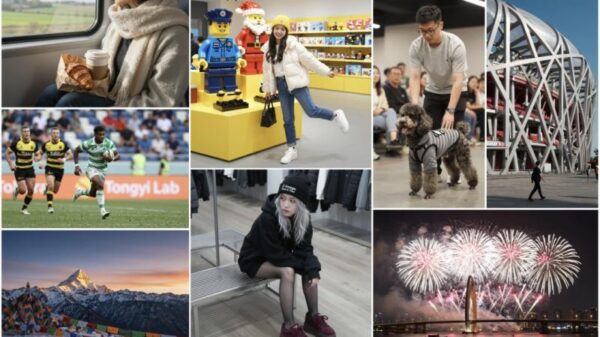
Key to its appeal is Z-Image’s capability for **photorealism**, adeptly creating lifelike textures and lighting that enhance the quality of visual outputs. The model’s **efficiency** is another strong point, requiring fewer computational resources to deliver stunning results. This efficiency is significantly bolstered by Z-Image Turbo technology, which optimizes the diffusion process into a single stream, drastically reducing inference steps without compromising quality. For artists or projects that necessitate rapid iterations or real-time generation, Z-Image positions itself as a leading option.
In contrast, **GLM-Image**, developed by Z.ai, adopts a hybrid approach that integrates a 9-billion parameter autoregressive model alongside a 7-billion parameter diffusion decoder. This model emphasizes **deep semantic understanding**, leveraging its large language model roots to interpret complex prompts and nuances more effectively than many competitors.
GLM-Image excels in rendering accurate text within images—a consistent hurdle for diffusion models—further enhancing its utility for designers and digital artists. Its ability to handle **complex layouts** logically ensures that elements are arranged precisely as intended, making it a powerful tool for creating intricate designs, such as posters and infographics. While GLM-Image may not match Z-Image in raw speed, its focus on precision and comprehension allows it to construct images with a methodical approach, understanding scene structures before detailing them.
Conclusion
When determining which model to utilize, the choice hinges largely on the specific needs of the user. For those prioritizing **speed and photorealism**, particularly when operating on consumer-grade GPUs, **Z-Image** emerges as the superior choice. Its capacity to generate high-quality images almost instantaneously transforms the creative process, allowing artists to iterate with remarkable rapidity.
Conversely, for projects that involve **complex designs** requiring precise text and layout management, GLM-Image provides a level of control and semantic accuracy that is currently unmatched in the market. Both models bring valuable features to the table, highlighting the diversity of tools available to digital creators today. The future of AI art generation is not about one model dominating the landscape, but rather about selecting the right instrument for the task at hand.
As the capabilities of these technologies continue to expand, their impact on creative workflows may redefine how artists approach digital artwork. The ongoing competition between Z-Image and GLM-Image underscores a vibrant field poised for further innovation and exploration.
Have you experienced either Z-Image or GLM-Image in your creative projects? Your insights could shape the understanding of these cutting-edge tools in the artistic community.
See also Raspberry Pi Launches AI HAT+ 2 with 8GB RAM for $130, Enhancing Generative AI Capabilities
 Ad Industry Limits LLMs’ Spending Authority Despite Automation Advances
 Quantum Study Validates Language Model Similarity Using Real Quantum Hardware
 Alphabet’s Stock Price Projected to Reach $383 by End of 2026, 14% Growth Expected
 X Limits Grok’s AI Image Generation Amid Global Criticism and Legal Concerns