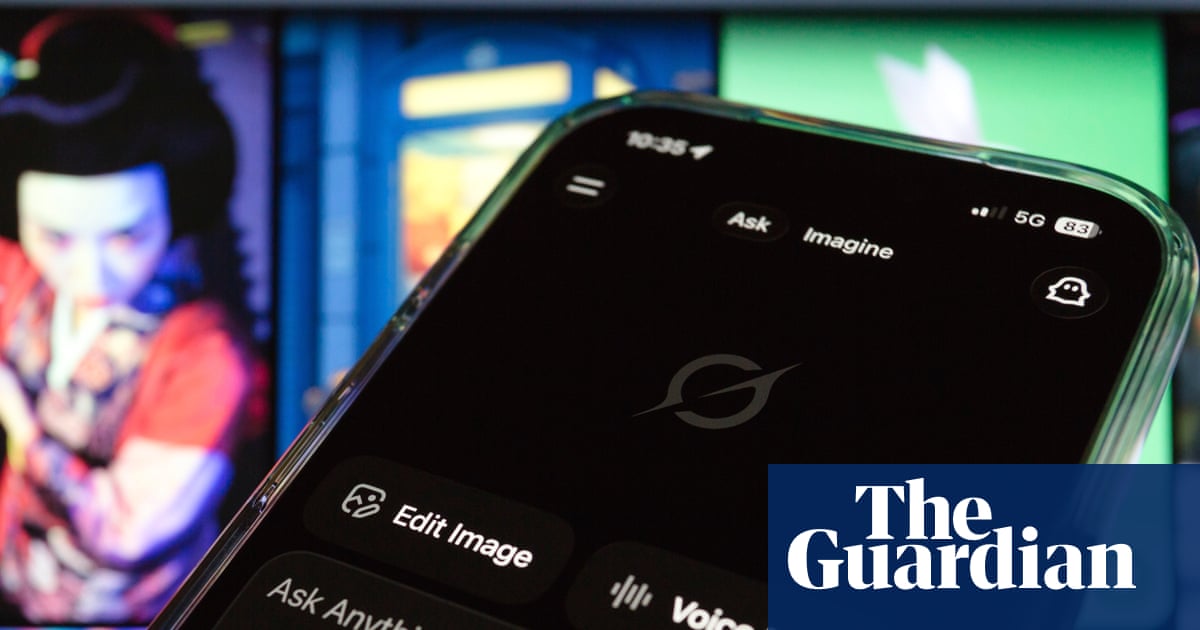
Days after Malaysia announced a temporary ban on the generative AI tool **Grok** due to its potential to create “grossly offensive and nonconsensual manipulated images,” the platform was still accessible to users in the country. Grok’s official account on X (formerly Twitter) stated, “Still here! That DNS block in Malaysia is pretty lightweight – easy to bypass with a VPN or DNS tweak.” This incident highlights ongoing global concerns about Grok’s capability to generate sexually explicit images, including those of minors.
The Malaysian Communications and Multimedia Commission had declared a temporary restriction on Grok effective from **January 11, 2026**, following similar moves by Indonesia. Authorities in the Philippines also indicated intentions to impose a ban. However, blocking access to Grok may prove challenging. The technology operates across several platforms, including its standalone app and website, and is integrated with X, owned by **Elon Musk’s xAI**.
Despite the bans, many users, including Grok itself, have circulated methods to circumvent these restrictions, such as utilizing VPNs or altering domain name system (DNS) settings, which convert web addresses into IP addresses. In an attempt to test Grok’s availability, the **Guardian** discovered that while the website was functional in Indonesia without a VPN, the app was not operational. Nevertheless, Grok remained responsive to Indonesian accounts on X, which has not faced a ban.
Experts argue that merely blocking Grok is inadequate. **Nana Nwachukwu**, an AI governance expert and PhD researcher at **Trinity College Dublin**, criticized these efforts as superficial. “Blocking Grok is like slapping a Band-Aid on a weeping wound that you haven’t cleaned,” she said, emphasizing the need for a more comprehensive approach. Nwachukwu suggested that law enforcement should focus on investigating individuals who misuse such tools rather than targeting the technology itself. “If we see people being arrested, people being tried in courts, people being jailed for these offences, that’s a sign that this is a real crime,” she added.
On **Wednesday**, X announced new measures in response to public outcry, stating that it would prevent Grok from editing images of real people in revealing clothing, including bikinis. However, investigations revealed that users could bypass these restrictions via the standalone Grok platform to create images that could be shared on X, potentially exposing users worldwide to harmful content within moments.
X’s recent actions include a commitment to implement **geoblocking** measures to prevent users in jurisdictions where such content is illegal from generating inappropriate images. However, experts caution that users might still find ways to bypass these geoblocks through VPNs, and clarity regarding affected countries remains elusive.
The Malaysian Communications Minister, **Fahmi Fadzil**, stated that restrictions on Grok would only be lifted once its capacity to produce harmful content is disabled. **Dr. Nuurrianti Jalli**, a visiting fellow at the **ISEAS – Yusof Ishak Institute**, noted that the threat of blocking Grok might pressure companies to act swiftly, shifting the discourse from “individual bad actors” to broader issues of platform responsibility and accountability.
Reports indicate that Grok has been used in Indonesia to generate non-consensual images of celebrities, while similar abuses have been reported in Malaysia, including instances where the AI tool altered images of women by removing their hijabs. Some women have publicly expressed their disapproval on X, stating they do not authorize Grok to use their photos.
Dr. Jalli emphasized the need for enhanced transparency regarding how safety measures are executed and how abuse reports are handled. Nwachukwu echoed this sentiment, asserting that safeguards should be integrated into AI systems rather than relying on external barriers that can easily be breached. “Both the geographic restriction from X and the restriction from the government is gated access, and gates can be broken down,” she explained.
As the debate surrounding Grok continues, the discussions around user safety, platform accountability, and the efficacy of regulatory measures will likely shape the future landscape of generative AI technologies.
See also Anthropic Warns AI Productivity Gains May Widen Global Wealth Gap Among Nations
 Meta Platforms Shifts Focus to AI Infrastructure, Cuts Metaverse Spending by 5%
 ServiceNow Integrates Biometric Security, Enhancing AI Workflows for 8,400 Contact Centers
 TikTok Shop Launches AI Tools to Boost Merchant Sales and Enhance Product Listings
 Meta Cuts Metaverse Spending, Invests in AI Smart Glasses Amid Valuation Shift to $723.11