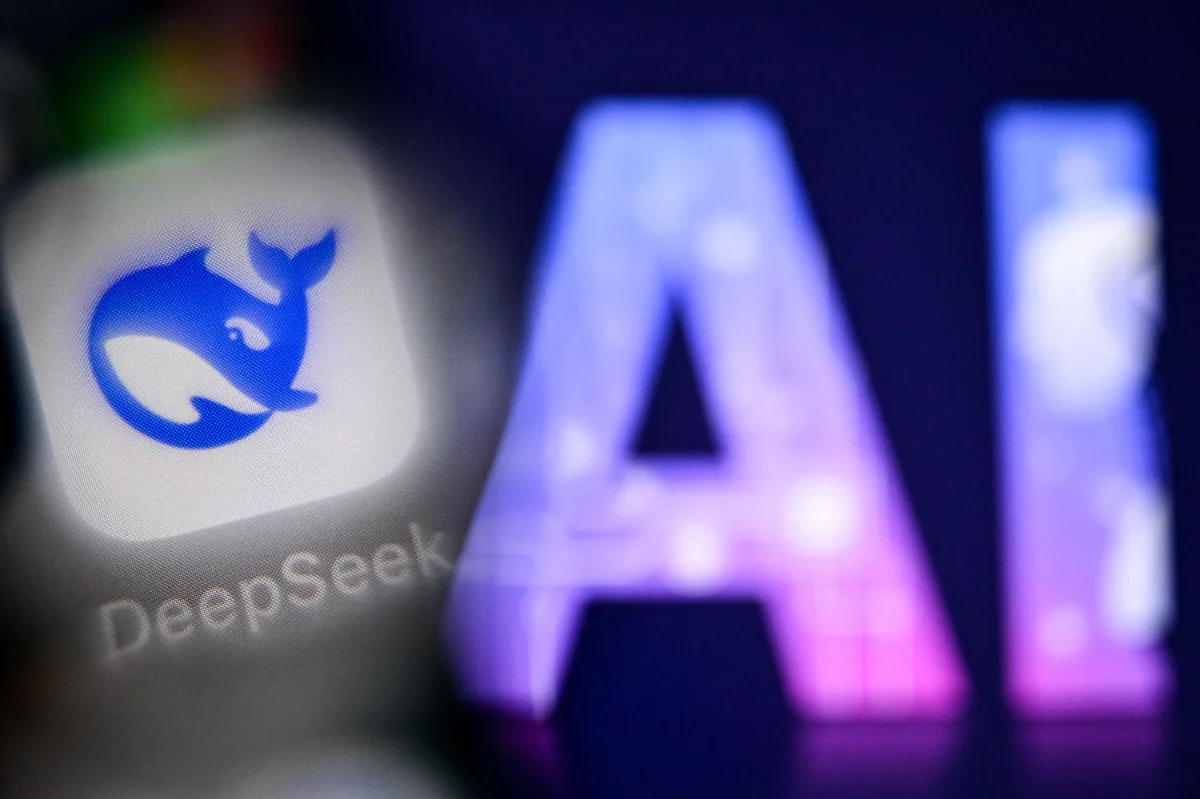
China’s AI Sector Thrives Amidst Investment Surge
BEIJING: China’s artificial intelligence sector is experiencing a surge of investment and innovation, a year after the local company DeepSeek launched a low-cost generative AI model that has begun to disrupt American dominance in the field. The model, released in January 2025, has demonstrated performance levels comparable to leading US chatbots, reshaping perceptions and instilling confidence within the local AI community.
The breakthrough has energized the industry, even as geopolitical tensions and concerns over a potential market bubble loom. “It gave a lot of people confidence that China’s AI community previously lacked,” said entrepreneur Wu Chenglin, whose startup DeepWisdom raised RM142 million across two funding rounds in the past year, marking a significant turnaround after nearly folding three times.
Investment interest has surged dramatically since DeepSeek’s announcement. According to Shi Yaqiong, vice president at Jinqiu Capital, there has been a “clear surge” in competition among investors, noting that projects valued between USD 10-20 million in 2024 are now projected to reach valuations of USD 20-40 million in 2025.
In a sign of growing enthusiasm, shares of major Chinese AI startups Zhipu AI and MiniMax skyrocketed during their Hong Kong market debuts this month. The global excitement surrounding AI has also propelled stocks of chipmakers and tech giants to record highs, although concerns about a potential market crash due to an AI bubble are palpable among investors who are closely monitoring any emerging warning signs.
The ongoing restrictions on access to high-end chips from US manufacturer Nvidia complicate matters. However, young developers in China remain undeterred by these challenges. At a recent networking event in Beijing, discussions were rife about the industry’s future. Li Weijia, an entrepreneur, suggested that the limitations on chip access may lead to the development of “open-source and cheap” AI models that could prove more beneficial to society.
China’s labor market is currently benefiting from a so-called “engineer dividend,” with increasing talent gravitating toward AI-related roles. Online hiring platform Zhilian Zhaopin reported a 39% rise in applications for AI jobs during the first three quarters of 2025, a clear indication of the sector’s growing allure.
Historically, the Chinese AI community faced challenges due to the lack of a cost-efficient model. Shen Qiajin, founder of ideaFlow, noted that DeepSeek has effectively filled that gap since its inception in 2023 as a side project of a Hangzhou-based hedge fund co-founded by Liang Wenfeng. DeepSeek, which possesses a cache of powerful Nvidia processors, now claims a 4% share of the global chatbot market, significantly trailing ChatGPT at 68% and Google’s Gemini at 18%.
DeepSeek’s strategy to publicly share its systems’ inner workings has contributed to robust adoption among developers and enterprises. Neil Shah of Counterpoint Research observed that its tools have found a strong following in cost-sensitive emerging markets, while Western users remain more cautious due to privacy and national security concerns.
The domestic market in China is substantial; by June 2025, over half a billion Chinese internet users reported having engaged with generative AI products. For many, the technology has become part of daily life. Entrepreneur Yang Yiwen shared that her parents had their first meaningful interaction with AI during the last Chinese New Year, observing her use of DeepSeek to plan a family trip. “They found it quite fun,” she remarked.
As investment and talent continue to pour into China’s AI sector, the implications for both the local and global markets could be profound. With the potential for innovative advancements and the democratization of AI tools, the landscape is poised for transformation, marking a significant chapter in the global AI narrative.
See also Thoughtworks Launches AI/works™ to Transform Legacy Systems and Accelerate Software Development
 Google’s Gemini 3 Doubles API Calls to 85 Billion, Boosting Cloud Revenue Significantly
 China’s MiniMax CEO Yan Junjie Meets Premier Li Qiang, Strengthening AI Industry Confidence
 US Chip Export Controls Fuel AI Development Bottleneck for China’s Tech Firms
 Apple Reveals iOS 27: Focus on Stability, AI Upgrades, and Foldable Support for 2026