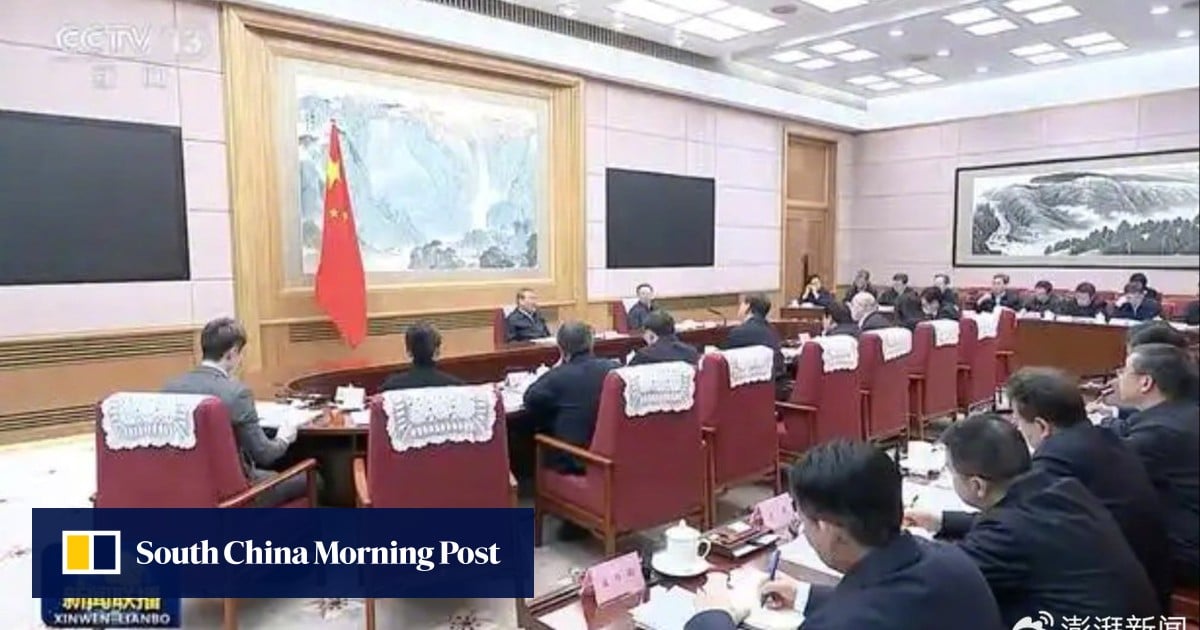
The CEO of Chinese artificial intelligence company MiniMax, Yan Junjie, met with Premier Li Qiang on Monday, marking a significant engagement for the emerging AI sector in China. This meeting is notable as it is the second instance in which a representative from a foundational AI model developer has met with the national leader; the first was Liang Wenfeng, founder of DeepSeek, a year ago.
Yan, a 36-year-old entrepreneur, made this high-profile appearance alongside eight other influential figures from China’s business, cultural, and educational sectors. His rapid rise to prominence was underscored by the recent blockbuster initial public offering of MiniMax in Hong Kong, just four years after its founding.
Other notable attendees included Ming Ming, chief economist of Citic Securities, Zhang Zhigang, chairman and party secretary of the State Grid Corporation of China, and badminton star Shi Yuqi, as reported by state broadcaster CCTV. The gathering also featured Yu Xiaohui, president of the China Academy of Information and Communications Technology, a state-backed think tank that plays a vital role in domestic AI governance.
During the meeting, all nine guests expressed optimism that market confidence is strengthening despite facing complex external challenges, according to Xinhua, the state-owned news agency. Their remarks reflect a collective belief in the resilience of the Chinese economy and the potential for future growth in the AI sector.
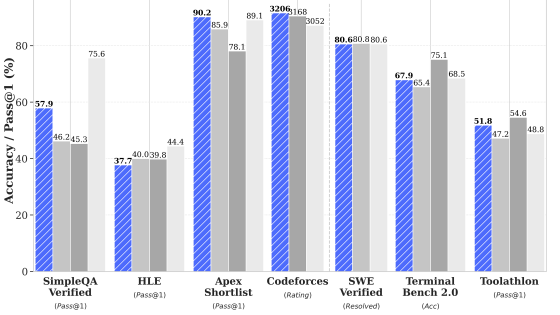
Backed by Alibaba Group Holding, MiniMax has emerged as one of China’s leading model developers. The company’s latest offering, the M2.1 model, has garnered attention for being one of the most cost-efficient and high-performance AI models globally, as highlighted by benchmarking firm Artificial Analysis. This positioning illustrates the competitive landscape of AI development in China, where companies are racing to advance technology in various sectors.
The meeting comes at a time when the Chinese government is looking to bolster its AI capabilities as part of its broader economic strategy. With increasing investments and a focus on innovation, the country aims to solidify its standing in the global AI ecosystem. The engagement between government leaders and AI executives like Yan Junjie signals a commitment to fostering collaboration and development in cutting-edge technologies.
As the industry continues to evolve, the implications of such high-level discussions could lead to more robust policies that support innovation and growth in AI. Moving forward, the collaboration between government and private sector leaders will play a crucial role in shaping the future landscape of artificial intelligence in China and beyond.
The rapid ascent of leaders like Yan Junjie, along with the robust support from major corporations like Alibaba, indicates a dynamic and potentially transformative phase for China’s AI industry. With the backdrop of ongoing global AI competition, the outcomes of such engagements may well influence not only national policies but also the broader technological advancements that define the future of AI on a global scale.
See also US Chip Export Controls Fuel AI Development Bottleneck for China’s Tech Firms
 Apple Reveals iOS 27: Focus on Stability, AI Upgrades, and Foldable Support for 2026
 Logistics Reply Unveils GaliLEA Dynamic Intelligence to Transform Warehouse Automation
 AI Revolutionizes Advertising: Brands Must Adapt or Fall Behind in 2026 Landscape
 Meta Launches Meta Compute Initiative to Build Massive AI Infrastructure and Reduce Vendor Dependence