






















































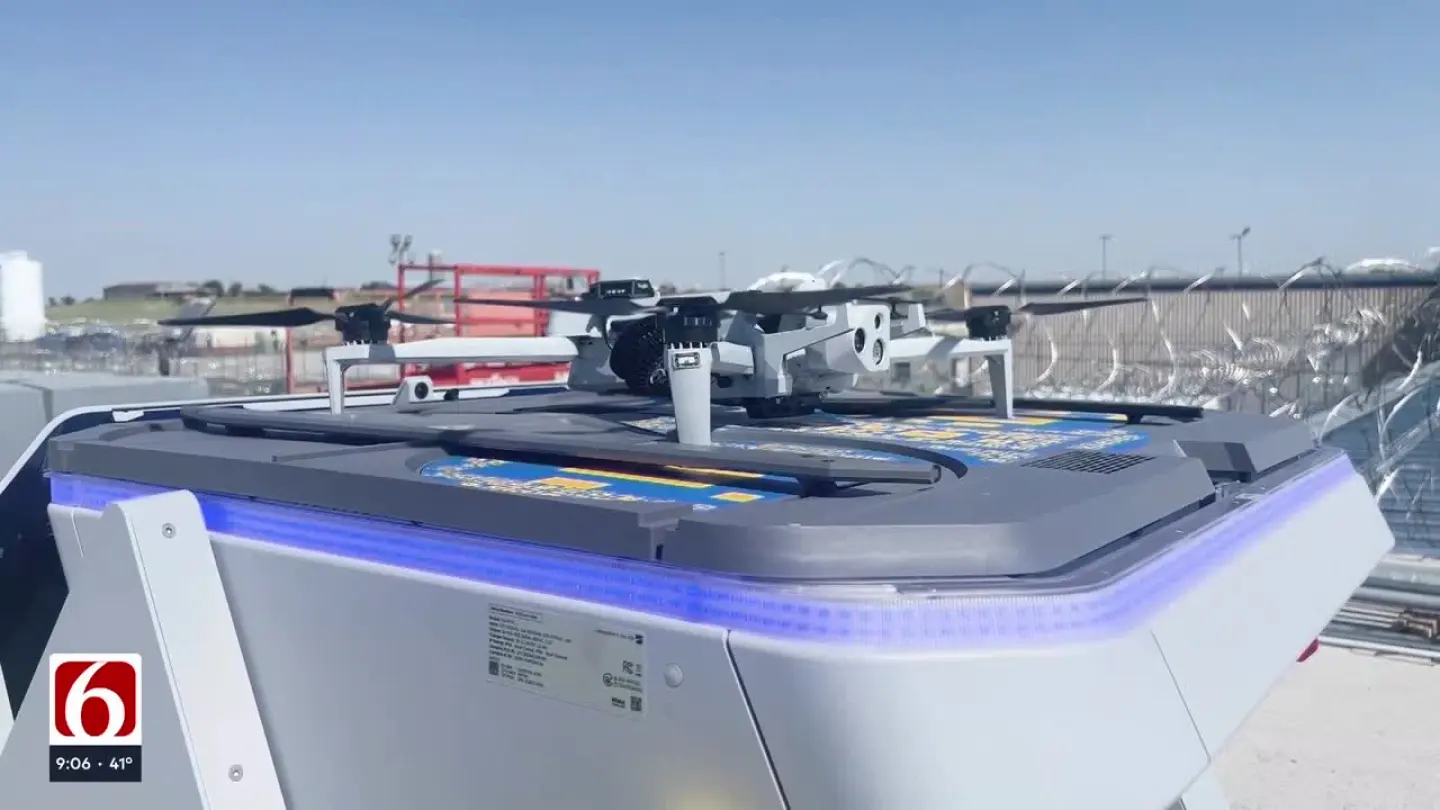
OKLAHOMA – Oklahoma’s correctional system is increasingly embracing artificial intelligence as a means to enhance safety, reduce costs, and improve outcomes for inmates. Over the past six years, the state’s Department of Corrections has been progressively integrating advanced technology across its 23 correctional facilities.
“This is great for Oklahoma. This puts us on the map,” said Justin Farris, Executive Director of the Department of Corrections. “We’re probably the most proactive state there is on utilizing AI for many different things. All states are looking at it.”
One of the most notable implementations involves AI monitoring of phone calls within the prisons. The technology is designed to detect keywords and phrases that may indicate potential dangers, including contraband and mental health crises. “If we have a call come in and it shows any type of danger, any type of contraband within the prison, any type of mental health crisis, we’re able to intercept that inmate immediately or make sure that we’re keeping the prison as safe as we can,” Farris explained.
In a pilot program at the Red Rock Correctional Facility in Lawton, a team of three drones is being utilized to monitor the prison environment. These drones can track human patterns, monitor for violent behavior, and identify potential contraband. Farris noted that the project is a collaborative effort with a technology partner to tailor the drones’ functionality to the correctional setting. “There’s us and a couple other states working with these companies to make sure that it is the best fit for us before we truly launch it,” he added.
The Department of Corrections is also exploring the use of facial recognition technology in conjunction with body cameras worn by corrections officers. If approved, this software could significantly streamline daily population counts, which currently cost the department around $60 million annually in labor expenses. “We’ll use their time doing things like cell searches, contraband searches, making sure people get back to their medical appointments on time, and really getting them more, taking some of the administrative duties off of them,” Farris stated.
Moreover, the Department believes that AI can play a pivotal role in forming effective inmate release plans. By utilizing data to project expected release dates, case managers will be able to establish individualized case plans for inmates, a feature that has yet to be implemented by any other correctional department in the country. “So the day they come in, they know exactly what their path looks like,” Farris said.
Farris anticipates that both the drone monitoring technology and the facial recognition software will be ready for implementation within the year, marking a significant step forward for Oklahoma’s correctional system. As the state continues to innovate with AI, it positions itself as a leader in the integration of technology within corrections, potentially setting a precedent for other states to follow.
See also Oakley and Meta Launch Vanguard AI Glasses in India Priced at Rs. 52,300
 Maas Group’s $1B Construction Sale Sparks 25% Stock Plunge Amid AI Shift; Firmus Invested
 AI-Designed Virus Breakthrough: Evo-Φ2147 Targets E. coli, Sparks Biosecurity Debate
 Meta Tests Standalone Vibes App for AI-Generated Videos in Brazil and Mexico
 University Welcomes AI Ethics Leader David Danks to Address Ethical Risks in AI Development















