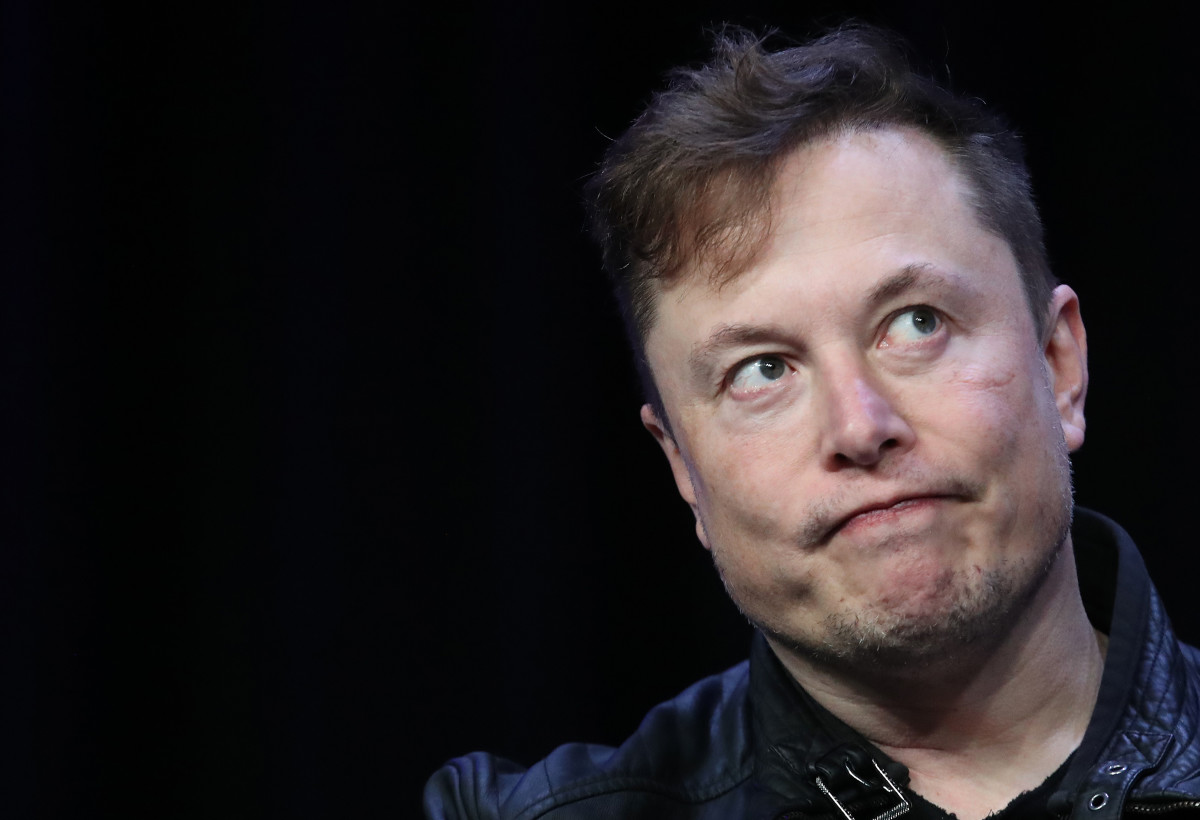
Elon Musk’s ongoing legal battle against OpenAI, in which he is seeking $134.5 billion, raises questions about the motives behind his claims. Initially presented as a fight for ethical considerations and the betterment of humanity, Musk’s actions are increasingly seen as an attempt to undermine a competitor whose accomplishments cast a shadow over his own AI initiatives. His venture, xAI, has reportedly been burning $13 billion annually, further complicating the narrative.
Musk, who co-founded OpenAI as a nonprofit, has positioned himself as a champion for ethical AI. However, critics argue that his lawsuit is not rooted in principle but rather in a desperate strategy to derail a rival. OpenAI’s advancements in AI technology have highlighted shortcomings in Musk’s own projects, which include Grok—a chatbot facing ongoing misinformation issues. As OpenAI continues to secure its place as a leader in artificial intelligence, Musk’s legal maneuvering seems increasingly self-serving.
These legal developments come at a time when the AI landscape is rapidly evolving. OpenAI has made substantial strides with products like ChatGPT, which have redefined user engagement in the AI space. This success has amplified pressure on Musk’s xAI, which has yet to achieve similar recognition despite its hefty financial outlay. The disparity between the progress of these firms has led to speculation about Musk’s underlying motivations—are they truly about ethics, or is self-preservation at play?
The lawsuit against OpenAI highlights the fierce competition in the AI industry, where innovation and public perception are crucial. Musk’s move can be seen as an attempt to level the playing field, albeit through contentious means. Some observers suggest that this aggressive posture could backfire, potentially alienating stakeholders who are increasingly concerned about ethical practices in AI development.
In a broader context, Musk’s legal challenges reflect the tensions inherent in a rapidly developing sector. Companies are not only competing for market share but also for public trust. The ethical implications of AI technology have become a focal point for consumers and investors alike. With Musk’s claims against OpenAI, the dialogue around ethical AI is likely to intensify, raising important questions about responsibility and accountability in technology.
While Musk may frame his actions as a call for better practices in AI, the reality may be more complex. The legal proceedings could serve to distract from the challenges facing xAI, including its financial sustainability and the efficacy of its offerings. The ongoing scrutiny of Musk’s motivations raises a broader discussion about the responsibilities of tech leaders in an increasingly competitive and ethically charged environment.
Looking ahead, the resolution of this legal battle may have significant implications for the future of AI development, particularly in how companies navigate ethical considerations amidst fierce competition. As the industry moves forward, both Musk and OpenAI will likely continue to shape the conversation around artificial intelligence, though their respective approaches may differ fundamentally. The unfolding saga emphasizes the need for transparency and ethical stewardship in an arena where the stakes are continually rising.
See also Google DeepMind Reveals Roadmap for AI’s Genuine Ethical Understanding in New Study
 DeepSeek Withholds New AI Model from Nvidia, Grants Access to Huawei Ahead of Lunar New Year
 Meta’s AI Safety Director Loses Control as OpenClaw Deletes Her Inbox
 Genies Partners with King Records to Create AI Companions for ‘Hypnosis Mic’ Franchise