


























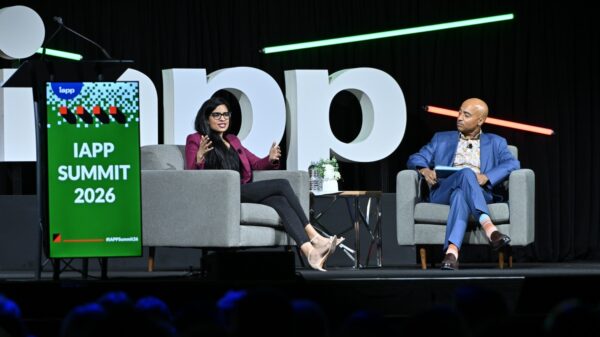



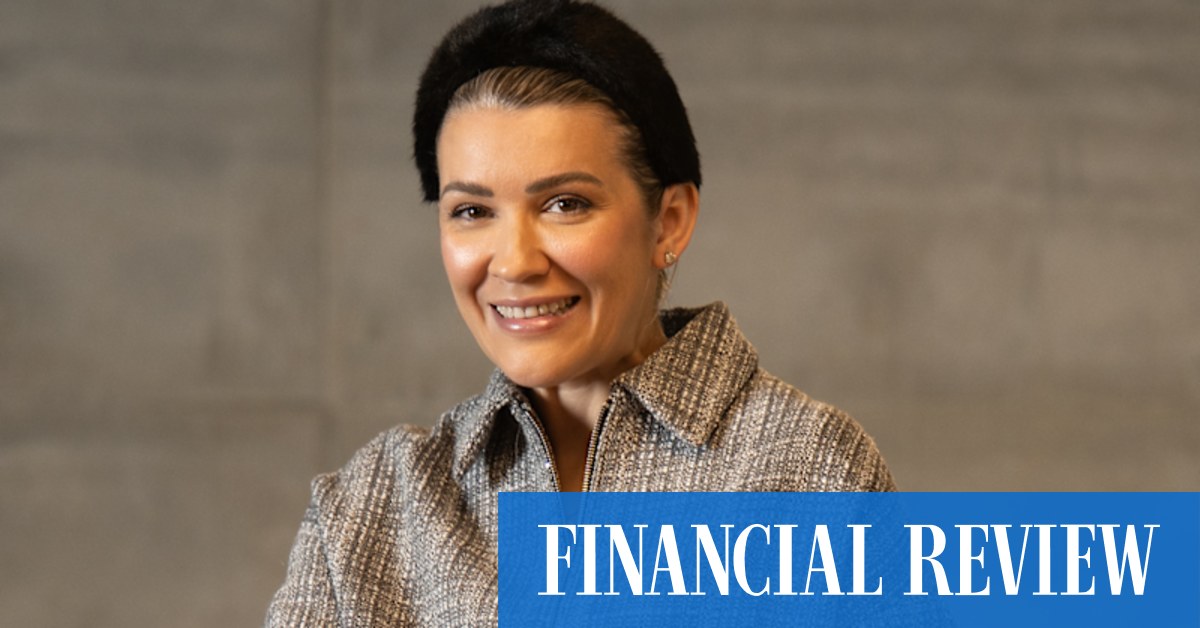
Former US Vice President Kamala Harris made a notable appearance on the corporate speaking circuit last week, maintaining a relatively low profile during her visit to the country. Harris spoke at the Women Unlimited Leadership Summit, an event aimed at empowering women leaders across various sectors.
Attendees expressed appreciation for her insights, with one participant highlighting the experience of listening to Harris as “not merely hear[ing]” her speak. In a world “saturated with noise,” this ability to truly listen stands out as increasingly valuable. Such sentiments reflect the significant interest in Harris’s perspective, especially as she continues to engage with themes of leadership, equality, and empowerment.
Harris’s ongoing involvement in the corporate speaking arena illustrates her transition into a prominent figure in discussions surrounding women’s leadership roles. Her speeches often emphasize the importance of representation and the need for inclusive policies that support women in leadership positions. This aligns with her broader advocacy work aimed at advancing women’s rights and social justice.
The Women Unlimited Leadership Summit draws a diverse group of participants, including business executives, entrepreneurs, and community leaders. This year’s event featured a range of speakers and discussions, all centered on fostering leadership skills and encouraging networking among women. Harris’s presence added significant weight to the proceedings, as her experiences and insights resonate with many in attendance.
As she navigates her post-vice presidential career, Harris’s engagements highlight the growing importance of thought leadership in corporate environments. Her focus on creating spaces for dialogue and understanding reflects a broader trend among influential figures who aim to foster inclusivity and support for underrepresented groups in business and leadership roles. This trend not only benefits individuals but can also drive innovation and growth within organizations.
Looking ahead, Harris’s continued involvement in such forums may contribute to a shifting landscape in corporate leadership, where diversity and inclusion become central to organizational success. As more leaders recognize the value of diverse perspectives, there is potential for meaningful change in corporate cultures worldwide.
See also Marco Robinson Launches AI-Driven Business Model for 300-Member Community Chapters
 Magda Wierzycka Launches AI Startup Fund to Support South African Entrepreneurs
 AI Automation Threatens Global Economies as ‘Ghost GDP’ Emerges, Warns Citrini Research
 OpenAI’s Frontier Launch Triggers $1 Trillion SaaSpocalypse, Sending Software Stocks Tumbling
 AWS Launches Transform, Slashing Enterprise Modernization Time by 80% with Agentic AI