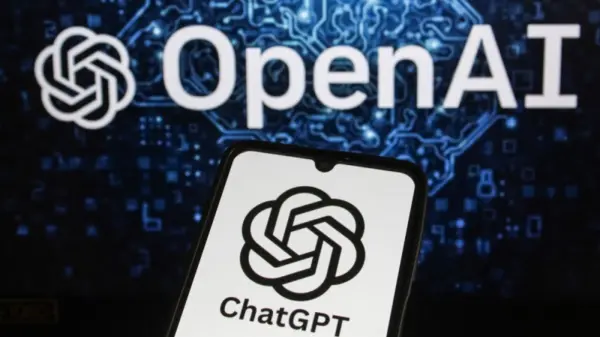



















































Software stocks are facing significant pressure as investors respond to what Wedbush describes as the “AI Ghost Trade”—the rising anxiety that artificial intelligence technologies from companies like Anthropic and OpenAI could dramatically diminish traditional enterprise software budgets. This sentiment stems from concerns that AI deployments might cannibalize traditional seat-based pricing models in software-as-a-service (SaaS), potentially slashing IT budgets by up to 70%.
In a recent note, Wedbush analyst Dan Ives characterized this perspective as “extremely overblown.” He pointed out that the intricate nature of modern enterprise technology ecosystems, which encompass data management, security, and core workflows, makes the complete replacement of existing systems highly unrealistic. Following discussions within the industry, Ives noted that currently, only a “handful” of organizations are proactively integrating AI into their technology stacks, a dynamic that he believes is not adequately reflected in market valuations.
Ives further emphasized that many investors are wary of the possibility that AI incumbents such as Anthropic and OpenAI may pivot towards becoming the next layer of enterprise software infrastructure. However, after engaging with various industry stakeholders in recent weeks, he described such a shift as a considerable stretch, given these companies’ primary focus remains on generating revenue through AI-driven workflows.
Instead of replacing traditional software infrastructure, Ives predicts that AI tools are more likely to supplement existing platforms, enhancing productivity while maintaining core systems. He asserts that the ongoing sell-off in software stocks is indicative of “two worlds colliding,” yet he sees this volatility as an opportunity for software companies that successfully integrate AI into their products by 2026.
“We continue to expect AI deployments to take multiple months,” Ives stated, “which allows many software companies to optimize their own AI strategies in 2026 and this will help define the AI software winners over the coming years.” As the technology landscape continues to evolve, companies that can effectively navigate this transition are poised to benefit in a market that remains highly competitive and uncertain.
See also Riverbed Cuts Data Transfer Time for AI Projects by 90% Amid Multi-Cloud Challenges
 AI Shopping Assistants Drive $262 Billion in Revenue, But Data Readiness is Key to Success
 Bank of America Warns of Wage Concerns Amid AI Spending Surge
 OpenAI Restructures Amid Record Losses, Eyes 2030 Vision