


































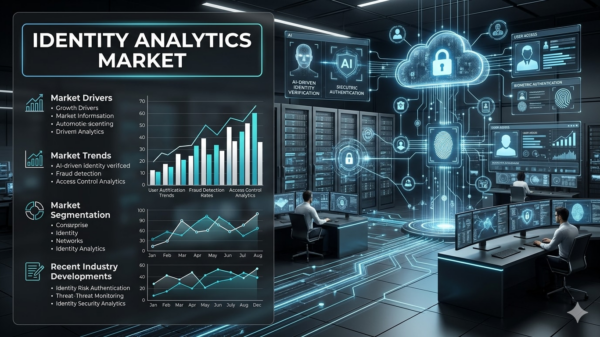












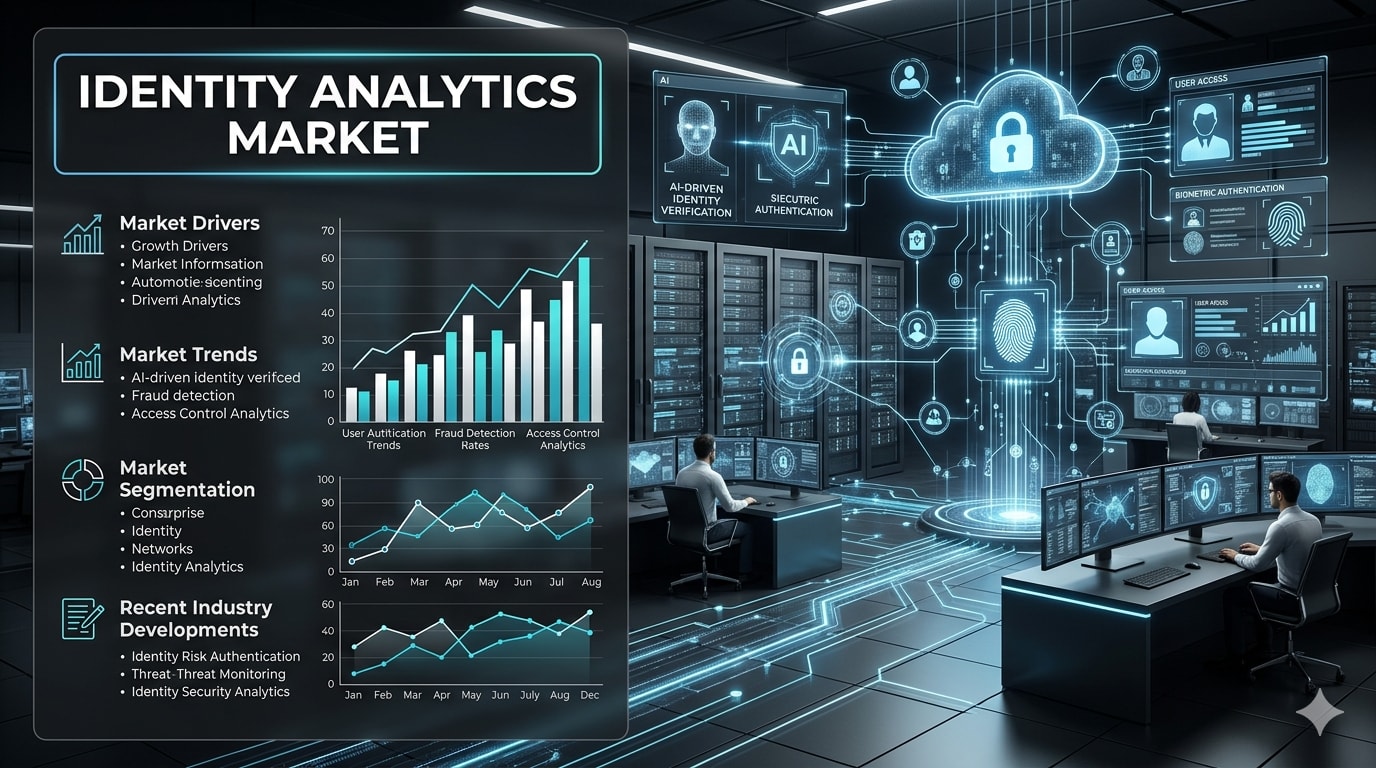
According to IMARC Group’s latest research, the global identity analytics market was valued at USD 1,770.2 million in 2025 and is projected to reach USD 5,974.4 million by 2034, exhibiting a compound annual growth rate (CAGR) of 14.04% from 2026 to 2034. The rise in cyberattacks, which average approximately 2,200 incidents daily, underscores the urgent need for organizations to enhance their identity management practices, further spurred by regulations such as GDPR, HIPAA, and CCPA.
With the shift to cloud computing and remote work expanding the attack surface, investments in identity analytics are accelerating across various sectors. Initiatives such as the US National Cybersecurity Strategy 2023 and India’s Digital India project are driving enterprises toward more robust identity analytics solutions. The financial sector, for instance, faces stringent compliance requirements that are propelling demand for advanced identity management tools.
The financial impact of cybercrime is staggering; businesses are expected to incur trillions in losses annually. A single data breach in the U.S. costs an average of USD 9.44 million, compelling organizations to prioritize their identity frameworks. Features like real-time anomaly detection and continuous access monitoring have become essential for enterprise security teams, shifting from a nice-to-have to a necessity.
Regulatory compliance is a significant driving force behind the adoption of identity analytics solutions. The European Commission’s GDPR compliance checks, Brazil’s LGPD requirements, and Singapore’s PDPA mandate organizations to invest in identity management tools. In the financial sector, frameworks such as PCI DSS and SOX require detailed access monitoring and audit trails. The penalties for non-compliance can be severe, making identity analytics not just a security tool but also a critical compliance safety net.
Digital transformation initiatives are opening new avenues for identity analytics beyond traditional security use cases. For example, India’s digital economy is projected to reach USD 1 trillion by 2028. Simultaneously, Brazil’s e-commerce sector is expected to grow by 14.3% through 2026, driving demand for fraud prevention and secure authentication tools. Cloud-based identity analytics solutions, which hold around 58% of the deployment market, are gaining popularity for their scalability and seamless integration with artificial intelligence (AI) and machine learning (ML) capabilities.
Large enterprises lead the market, accounting for approximately 62.2% of demand. Their complex IT environments and the sheer volume of sensitive data they manage necessitate robust identity management strategies. The banking, financial services, and insurance (BFSI) sector alone represents over 33.5% of market demand, largely due to its reliance on secure data handling and regulatory requirements.
North America dominates the identity analytics market, capturing over 40.7% of the share in 2025. This dominance is fueled by escalating cyber threats, strict regulatory compliance, and widespread adoption of AI technologies among enterprises. Major players in the global identity analytics industry include CyberArk Software Ltd., Microsoft Corporation, and Okta Inc., among others, all vying for a significant piece of this growing market.
Recent developments in the identity analytics space highlight the innovations driving this sector forward. In January 2025, Orchid Security raised USD 36 million in funding, emerging from stealth mode to focus on preserving client identities as AI evolves. Meanwhile, Saviynt announced the launch of Intelligent Recommendations in September 2024, aimed at automating identity security operations across enterprises. Additionally, in May 2024, Omada A/S unveiled a new data analytics solution that enhances role management and compliance posture within its identity cloud.
As organizations increasingly recognize the necessity of advanced identity management, investment in identity analytics is expected to grow significantly. In a landscape where cyber threats are ever-evolving, the ability to preemptively address risks is critical. The ongoing advancements in AI and ML will likely further enhance the capabilities of identity analytics, providing organizations with vital tools to protect sensitive information and comply with regulatory requirements.
See also Anthropic’s Claims of AI-Driven Cyberattacks Raise Industry Skepticism
 Anthropic Reports AI-Driven Cyberattack Linked to Chinese Espionage
 Quantum Computing Threatens Current Cryptography, Experts Seek Solutions
 Anthropic’s Claude AI exploited in significant cyber-espionage operation
 AI Poisoning Attacks Surge 40%: Businesses Face Growing Cybersecurity Risks