
















































The United Arab Emirates (UAE) has successfully thwarted a series of cyber attacks aimed at its vital infrastructure, according to a statement from the Cyber Security Council this weekend. The authority characterized the attacks as “organised cyber attacks of a terrorist nature,” but did not disclose specific details regarding the intended targets.
The attacks reportedly included efforts to infiltrate networks, deploy ransomware, and conduct systematic phishing campaigns targeting national platforms. Notably, the Cyber Security Council indicated that these operations involved the exploitation of **artificial intelligence** technologies, enabling the development of advanced offensive tools. This marks a significant evolution in the tactics employed by terrorist organizations, showcasing their increasing ability to leverage modern technological capabilities.
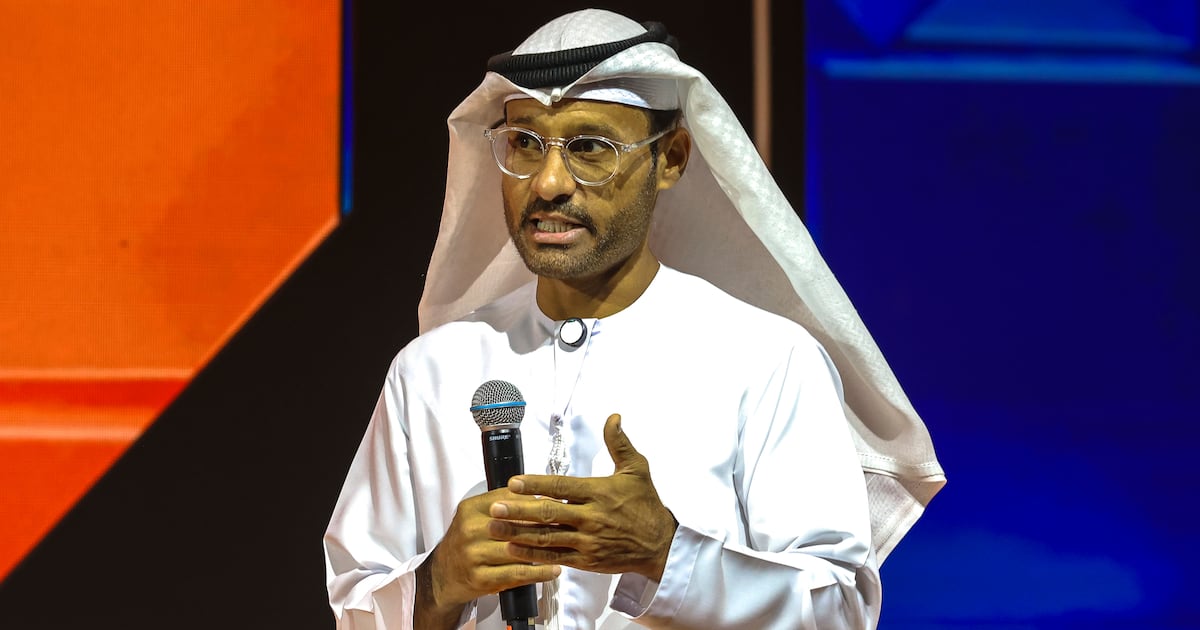
The announcement follows recent comments from Dr. Mohamed Al Kuwaiti, the head of the Cyber Security Council, who revealed that the UAE faces between **90,000** and **200,000** cyber breach attempts daily, many of which are believed to be state-sponsored. In light of this persistent threat, the UAE has invested heavily in defensive systems aimed at safeguarding both public and private infrastructure.
Dr. Al Kuwaiti noted that regional geopolitical tensions across North Africa, the Gulf, and the broader Middle East have intensified online narratives targeting the UAE. He pointed out that “conflict-driven discourse, diplomatic friction, and AI-enabled disinformation activity have increased rumor propagation and hacktivist mobilization across regional digital ecosystems.” His remarks underscore the complex cybersecurity landscape that the UAE is navigating, as these tensions often spill into the digital realm.
In an earlier interview with *The National*, Dr. Al Kuwaiti emphasized the UAE’s commitment to enhancing its cybersecurity framework over the past decade. “Our main focus is cyber crime, cyber terrorism, and cyber warfare,” he stated, adding that the UAE aims to become an “exporter of cyber security talent.” This ambition reflects a broader strategy to position the UAE as a leader in cybersecurity expertise, a critical area in an increasingly interconnected world.
Geopolitical factors further complicate the cyber threat landscape. According to a report, **Asia** accounts for approximately **66.7 percent** of state-sponsored cyber attack origins, while **Europe** represents about **14.3 percent**. The Middle East and cross-regional actors make up the remainder, though specific countries involved were not identified. Western nations have frequently highlighted **Russia**, **China**, **North Korea**, and **Iran** as the primary culprits in state-sponsored cyber activities, which these nations continue to deny.
The UAE’s proactive measures highlight a growing recognition of the importance of cybersecurity in national security agendas worldwide. As the frequency and sophistication of cyber attacks continue to rise, nations are increasingly prioritizing investments in cybersecurity infrastructure and talent development. The UAE’s experience underscores the challenges that countries face in defending their digital borders amid a landscape that is ever-evolving, particularly with the advent of advanced technologies.
Looking ahead, the UAE’s efforts to bolster its cyber defenses may serve as a model for other nations grappling with similar threats. As cyber warfare and terrorism remain pressing issues, the UAE’s strategic initiatives in cybersecurity will likely draw attention from global stakeholders focused on enhancing their own defenses. The ongoing battle against cyber threats is not just a matter of technology but one of international cooperation and vigilance in an increasingly digital world.
See also AI-Driven Cyberattacks Surge to 3,195 Weekly in India, Targeting Education Sector Most
 Google Reveals How Hackers Exploit AI Tools Like Gemini for Advanced Cyberattacks
 Anthropic Launches Claude Code Security, Uncovering 500 Vulnerabilities and Shaking Cybersecurity Stocks
 Anthropic Launches Claude Code Security Tool, Threatening Legacy Cybersecurity Firms
 Ukraine’s Defense Ministry Enlists Ethical Hackers and AI for Cybersecurity Test on Weapons Marketplace