



































New data indicates that student reliance on artificial intelligence (AI) for academic assignments has surged to unprecedented levels, shifting from a marginal issue to a significant concern in education. Reports show that nearly universal adoption of AI tools among college students is transforming traditional educational practices, with many students openly admitting to using AI for tasks ranging from brainstorming to direct assignment completion.
The Higher Education Policy Institute (HEPI) in collaboration with Kortext conducted a 2026 survey revealing that 95 percent of students reported utilizing AI in various capacities, with 94 percent specifically using generative AI for assessed work. This marks a notable shift in academic culture, indicating that AI assistance has become integrated into standard academic processes rather than remaining an occasional aid.
The report also highlighted that 12 percent of students directly incorporated AI-generated text into their assignments, a steep rise from 8 percent in 2025 and 3 percent in 2024. This upward trend underscores a growing tendency among students to substitute their writing with AI-produced content, raising questions about academic integrity and the nature of legitimate assistance.
While concerns about cheating are prevalent, the broader issue appears to be a burgeoning dependence on AI for essential academic tasks. Students may now ask AI for outlines, thesis statements, and even paragraph rewrites, blurring the lines between support and dishonesty. This cognitive outsourcing complicates the role of educational institutions in policing academic standards.
Interestingly, students themselves acknowledge instances of improper AI use. A 2025 survey by Inside Higher Ed found that 25 percent of college students admitted to letting AI complete their assignments, while 19 percent confessed to using it to write entire essays. These figures point to a significant shift in how students perceive and utilize AI, indicating that many now view it as a standard approach rather than a shortcut.
As the trend continues, the cultural implications extend beyond college campuses. A report from Common Sense Media found that 67 percent of children and teens engage with AI tools, and 55 percent use them for homework. More notably, 52 percent of respondents believe AI should be encouraged in school assignments, suggesting a generational change in attitudes toward technology in education.
On the institutional side, evidence of academic misconduct related to AI is becoming increasingly evident. An investigation by The Guardian reported that nearly 7,000 students in UK universities were caught cheating with AI during the 2023-2024 academic year. The number of cases jumped to 5.1 per 1,000 students from just 1.6 the previous year, while traditional plagiarism cases have seen a decline. This transition from traditional forms of dishonesty to AI-related misconduct highlights the shifting landscape of academic integrity.
AI tools are also evolving to meet the needs of students, with many services now targeting assignment assistance. For instance, Textero has positioned itself as a platform for generating academic papers, offering features that appeal directly to students under pressure. This raises ethical questions, as the responsibility for appropriate use often falls solely on the students despite the tools being designed for assignment completion.
The rapid increase in AI usage among students can be attributed to several factors. Speed is a significant advantage, as AI can produce content almost instantly, particularly appealing to students facing tight deadlines. Many also feel that AI can help them achieve passing grades with minimal effort. Moreover, varying institutional policies regarding acceptable AI use create ambiguity, allowing students to justify behaviors that may have been deemed unacceptable in previous years.
HEPI’s report further indicates that dependency on AI for critical cognitive tasks—such as summarizing materials, explaining concepts, and structuring ideas—is amplifying. This reliance may undermine the educational objectives of fostering critical thinking and intellectual growth, creating challenges for educators in assessing true student understanding.
While some studies have reported stable overall cheating rates despite the rise in AI use, it’s clear that academic dishonesty is evolving rather than disappearing. UNESCO’s 2025 discussion highlighted that traditional plagiarism is declining while AI-related misconduct is on the rise, reflecting a significant shift in methods rather than a straightforward increase in dishonest behavior.
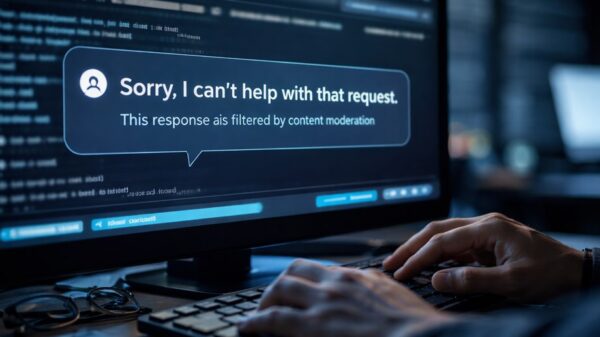
Many institutions had hoped that AI detection tools would mitigate the issue, but these solutions are fraught with challenges. Such tools often produce false positives and can be biased across different contexts and languages. Consequently, schools may find themselves in a precarious position, where trust erodes on both sides—educators may mistakenly accuse honest students, while others may evade detection altogether.
The overarching conclusion from recent studies is that while not every student is engaging in outright cheating, the normalization of AI use in academic work is raising profound questions about authenticity and authorship. The educational landscape is shifting, necessitating a reevaluation of how assignments are structured and assessed to ensure they genuinely reflect student understanding and effort.
See also Andrew Ng Advocates for Coding Skills Amid AI Evolution in Tech
 AI’s Growing Influence in Higher Education: Balancing Innovation and Critical Thinking
 AI in English Language Education: 6 Principles for Ethical Use and Human-Centered Solutions
 Ghana’s Ministry of Education Launches AI Curriculum, Training 68,000 Teachers by 2025
 57% of Special Educators Use AI for IEPs, Raising Legal and Ethical Concerns