

























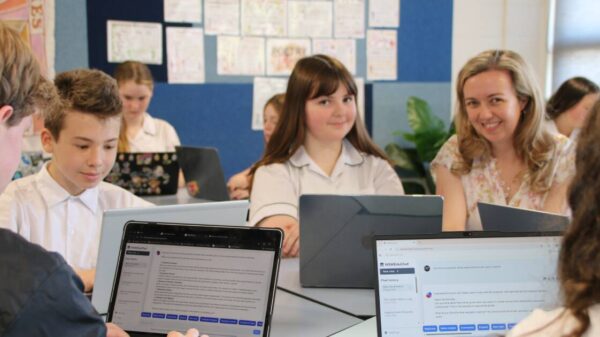

















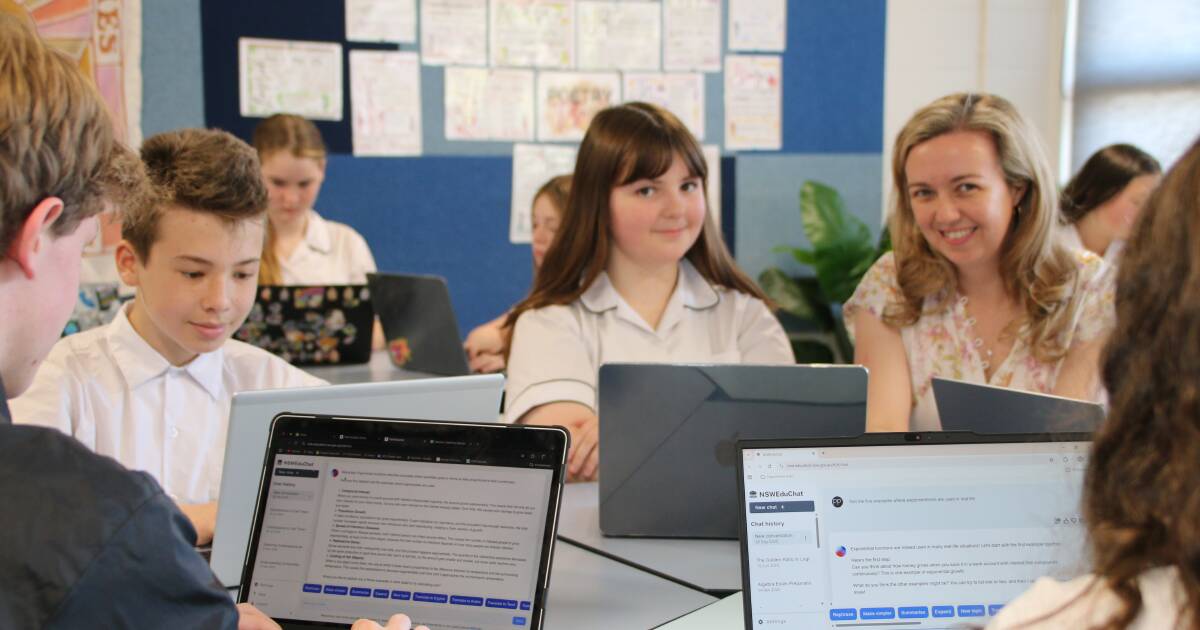
The recently launched platform, NSWEduChat, aims to enhance the educational experience for students by offering a robust, curriculum-aligned learning companion. Designed to support students in their academic journeys, the app focuses not only on providing answers but also on delivering critical feedback on writing, helping with complex assessment tasks, and reinforcing classroom learning through features like personalized quiz generation. This multifaceted approach positions NSWEduChat as a valuable tool in the rapidly evolving educational technology landscape.
NSWEduChat’s development comes at a time when educational institutions are increasingly integrating technology into their teaching methodologies. The application is equipped to assist students in brainstorming ideas for assignments, providing a platform for them to express their thoughts more effectively and creatively. The app’s ability to generate quizzes tailored to individual learning needs further facilitates custom learning experiences, ensuring that students can reinforce their understanding of the material in a way that suits them best.
While many educational tools focus solely on rote learning or straightforward question-and-answer formats, NSWEduChat distinguishes itself through its commitment to fostering deeper engagement. By offering critical feedback, the app encourages students to reflect on their writing and thought processes. This feature is particularly important in an era where critical thinking and communication skills are paramount for success in both academic and professional settings.
The implementation of such technology in the classroom is becoming increasingly relevant as educators seek methods to adapt to diverse learning styles. Personalization is key in modern education, and NSWEduChat’s ability to tailor quizzes and feedback to individual users exemplifies a shift towards more student-centered learning environments. Educators are recognizing that tools enabling students to take ownership of their learning can dramatically enhance educational outcomes.
Moreover, the introduction of NSWEduChat arrives amid a broader trend of increasing reliance on artificial intelligence in educational contexts. As AI technologies continue to advance, tools like NSWEduChat will likely play a significant role in shaping the future of education. The integration of AI can provide personalized learning experiences that were previously unimaginable, allowing students to engage with material in a more meaningful way.
Industry experts have noted that the rise of such intelligent educational platforms could redefine traditional teaching methodologies. As schools and universities grapple with the challenge of meeting the needs of a diverse student body, solutions like NSWEduChat offer the potential to bridge gaps in understanding and performance. The app’s capability to adapt to individual learning requirements suggests a future where education is more customized and effective.
As NSWEduChat gains traction, it is anticipated that the feedback from both students and educators will influence future iterations of the platform. Continuous improvement based on real-world usage can enhance its effectiveness and responsiveness to educational challenges. The educational technology market is becoming increasingly competitive, and platforms that can demonstrate tangible benefits to learning outcomes will likely capture the attention of schools seeking innovative solutions.
Looking ahead, the success of NSWEduChat may also prompt further investments in educational technology startups focusing on similar personalized learning applications. As investment in EdTech grows, so too does the opportunity for innovation in tools designed to enhance student engagement and learning experiences. The implications for education extend beyond individual products like NSWEduChat, potentially signaling a transformative shift in how educational content is delivered and absorbed in classrooms around the globe.
See also Andrew Ng Advocates for Coding Skills Amid AI Evolution in Tech
 AI’s Growing Influence in Higher Education: Balancing Innovation and Critical Thinking
 AI in English Language Education: 6 Principles for Ethical Use and Human-Centered Solutions
 Ghana’s Ministry of Education Launches AI Curriculum, Training 68,000 Teachers by 2025
 57% of Special Educators Use AI for IEPs, Raising Legal and Ethical Concerns