
















































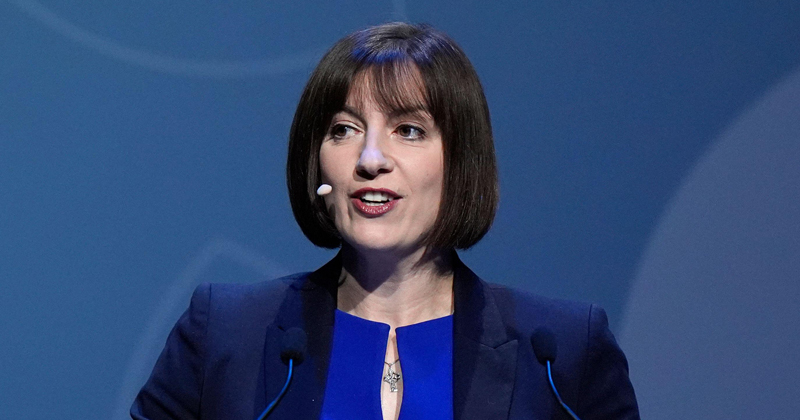
The UK government has announced a £23 million investment to launch a four-year pilot program aimed at integrating artificial intelligence (AI) and educational technology (edtech) tools in schools and colleges across England. Education Secretary Bridget Phillipson revealed the initiative during the BETT UK conference, describing it as an opportunity to test the latest technological advancements in classrooms nationwide.
Set to commence in September, the program will involve over 1,000 primary, secondary, and further education institutions. The Department for Education (DfE) has emphasized that the pilot aims to assess the impact of these technologies on student outcomes, particularly for those with special educational needs and disabilities (SEND), as well as on teacher workload.
Phillipson stated, “We’re investing an additional £23 million to expand our edtech testbed pilot into a four-year programme. It recruits schools and colleges to put the latest tech and AI tools through their paces in the cut and thrust of classrooms across the country.” The pilot builds upon a previous nine-month initiative that explored innovative edtech tools, although the number of participants from that phase has not been disclosed.
The new pilot seeks to gather empirical evidence regarding the efficacy of various educational technologies. Phillipson highlighted the objective of identifying the “cream of education tech and AI” that can significantly benefit both teachers and students. “We’ll track how these tools perform and the difference they make for teachers and, above all, the difference they can make for children,” she asserted.
In preparation for the pilot, the DfE has received expressions of interest from more than 280 entities within the edtech sector, demonstrating considerable enthusiasm for participation in the program. This initiative signifies a broader push by the UK government to incorporate cutting-edge technology into the education system to enhance learning experiences and outcomes.
Phillipson expressed her excitement about the potential of AI, stating that it could lead to significant improvements in the educational framework. “I am so excited about AI because it means that we can have the chance to make the education system work better for every single learner,” she remarked, emphasizing the transformative potential of these technologies.
The pilot program represents a strategic effort to foster innovation in education by systematically evaluating the role of technology in teaching and learning. As it unfolds, stakeholders in the education sector will be keenly observing its impact, with implications for future educational policies and practices. The DfE’s initiative not only aims to enhance student learning but also seeks to alleviate the pressures faced by educators in a rapidly changing educational landscape.
See also Andrew Ng Advocates for Coding Skills Amid AI Evolution in Tech
 AI’s Growing Influence in Higher Education: Balancing Innovation and Critical Thinking
 AI in English Language Education: 6 Principles for Ethical Use and Human-Centered Solutions
 Ghana’s Ministry of Education Launches AI Curriculum, Training 68,000 Teachers by 2025
 57% of Special Educators Use AI for IEPs, Raising Legal and Ethical Concerns