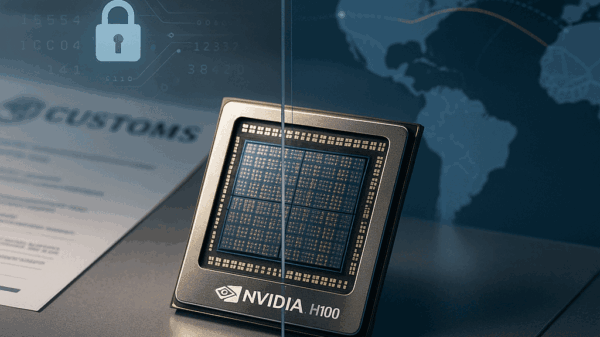



















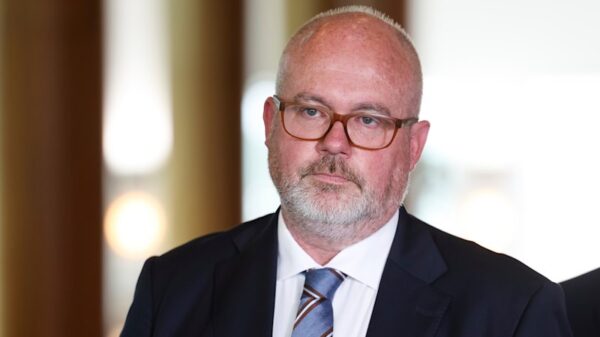


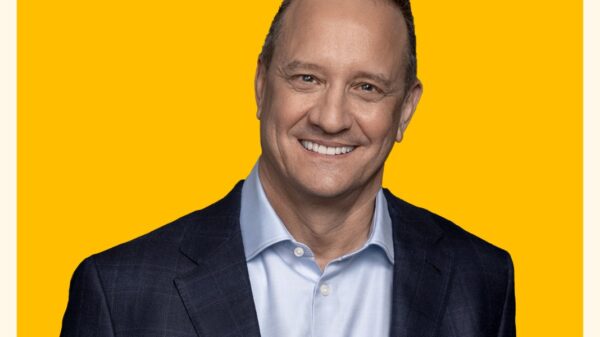












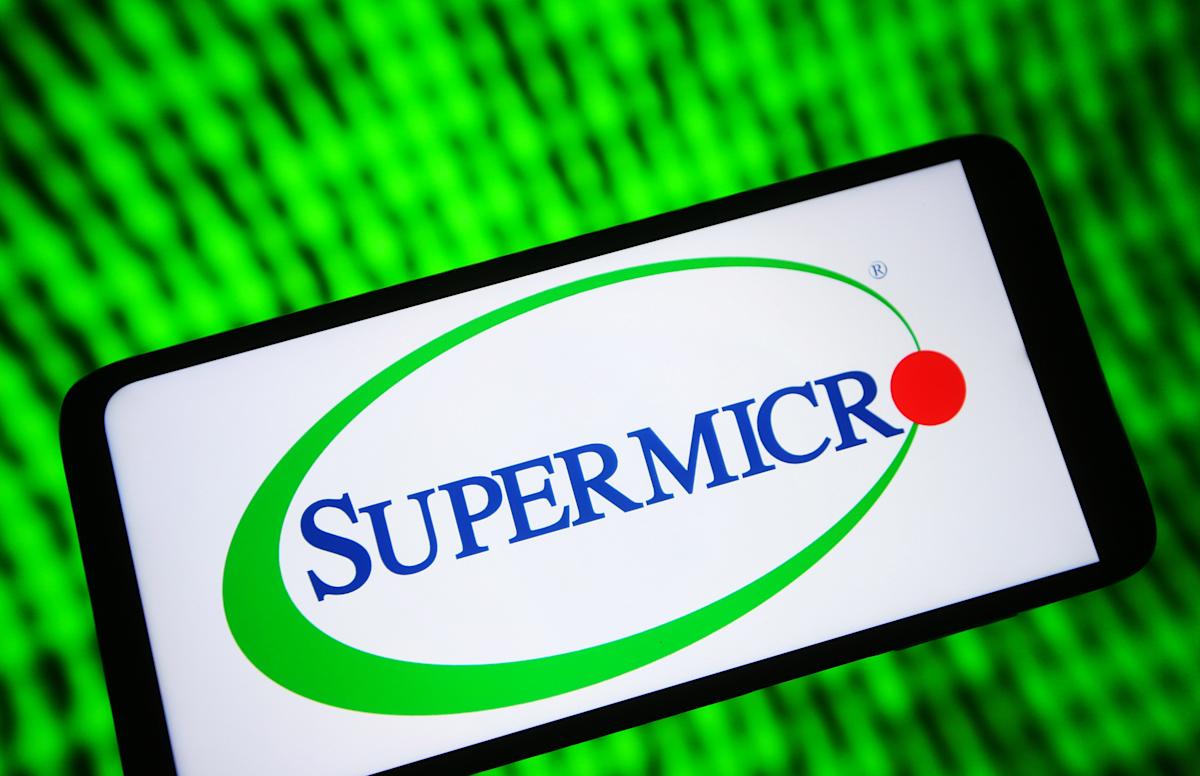
Super Micro Computer Inc. co-founder Yih-Shyan “Wally” Liaw has been indicted by US prosecutors for allegedly diverting billions of dollars worth of Nvidia Corp.-powered servers to China, marking a significant escalation in the US government’s crackdown on the smuggling of restricted AI technology. The charges against Liaw, along with two associates, involve sending servers containing Nvidia’s advanced chips to the Asian nation in violation of US export controls.
The indictment claims that Liaw, alongside Ruei-Tsang “Steven” Chang, a general manager at Super Micro’s Taiwan office, and Ting-Wei “Willy” Sun, an outside contractor, orchestrated the sale of servers to an unnamed Southeast Asian company. This firm was reportedly integral in facilitating the shipment of the hardware to customers in China.
This legal action has had immediate financial repercussions for Super Micro, with shares plummeting by 33% to $20.53, wiping out more than $6 billion from the company’s market value. Following the indictment, Super Micro announced that Liaw had resigned from the board, effective immediately, and placed Chang on administrative leave while severing ties with Sun.
The indictment outlines a scheme that included efforts to evade scrutiny by both internal auditors at Super Micro and US government officials. Prosecutors allege that the defendants engaged in activities such as falsifying records and creating “dummy” servers, modifying serial numbers to evade detection. The US charges against the trio include conspiracy to violate export controls, which carries a potential maximum prison sentence of 20 years, as well as conspiracy to smuggle goods and conspire to defraud the US.
Super Micro, based in San Jose, California, is not named as a defendant in the case. The company stated it is cooperating with authorities and maintains that the actions of Liaw and Chang are contrary to its policies and compliance controls. Super Micro emphasized its commitment to adhering to US export and re-export control laws.
This case highlights the US government’s intensified focus on enforcing chip export restrictions, originally implemented under the Trump administration in 2022. Following several smaller chip smuggling cases last year and a probe into Nvidia’s largest Southeast Asian customer, the indictment of an executive within a prominent tech company represents a new phase in regulatory scrutiny.
While the indictment does not implicate Nvidia directly, the timing is significant as lawmakers are exploring further restrictions on chip exports. Nvidia’s CEO, Jensen Huang, has previously stated that there is “no evidence” of AI chip diversions, but this case may prompt increased legislative scrutiny regarding chip smuggling and export licenses.
Super Micro is a major assembler of AI servers incorporating Nvidia’s advanced components, contributing approximately 9% to Nvidia’s revenue. According to the indictment, a significant portion of Super Micro’s income was derived from the Southeast Asian company implicated in the alleged smuggling. Prosecutors indicated that the relationship between the defendants and this firm began in 2024, evolving as they coordinated shipments of servers to Chinese customers who were unable to purchase Nvidia chips legally.
The revenue generated from these operations proved substantial; Company-1 was noted as Super Micro’s eleventh most profitable customer globally in the fourth quarter of its 2024 fiscal year, with alleged sales totaling around $2.5 billion driven by these transactions.
The situation escalated in January 2025 when the Biden administration unveiled a sweeping expansion of export controls covering Nvidia’s AI chip sales to China and approximately 40 other countries, necessitating licenses for such transactions. The indictment claims Liaw attempted to expedite shipments to avoid compliance with these new regulations, demonstrating a clear intent to circumvent legal restrictions.
In response to increased scrutiny, the defendants allegedly coordinated to present falsified documentation and staged inspections, showing dummy servers to auditors while concealing the true nature of their activities. As the investigation progressed, US officials alerted Super Micro to concerns about Company-1’s diversion of shipments to China and implemented holds on shipments pending further inspections.
Liaw, a US citizen and co-founder of Super Micro since 1993, and Sun, a Taiwanese citizen, were arrested and have made initial court appearances in San Jose. Chang, a Taiwanese citizen, remains at large. All three face serious charges, with the potential for lengthy prison sentences if convicted. The case is officially designated as US v. Liaw in the Southern District of New York.
This indictment underscores the ongoing challenges and complexities surrounding international tech trade, particularly in the rapidly evolving AI sector, where regulatory measures are becoming increasingly stringent. As the US government navigates the fine line between fostering innovation and protecting national security, the implications of this case may extend far beyond the individuals involved, shaping future policies on technology exports.
See also Finance Ministry Alerts Public to Fake AI Video Featuring Adviser Salehuddin Ahmed
 Bajaj Finance Launches 200K AI-Generated Ads with Bollywood Celebrities’ Digital Rights
 Traders Seek Credit Protection as Oracle’s Bond Derivatives Costs Double Since September
 BiyaPay Reveals Strategic Upgrade to Enhance Digital Finance Platform for Global Users
 MVGX Tech Launches AI-Powered Green Supply Chain Finance System at SFF 2025