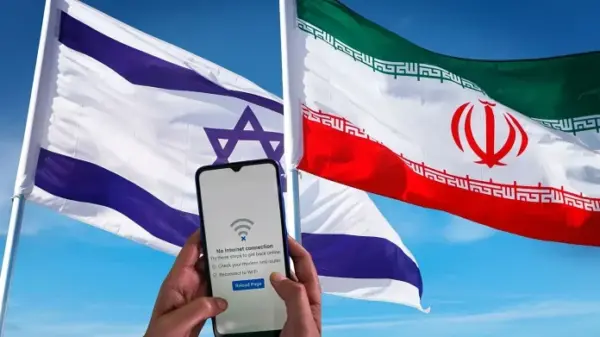










































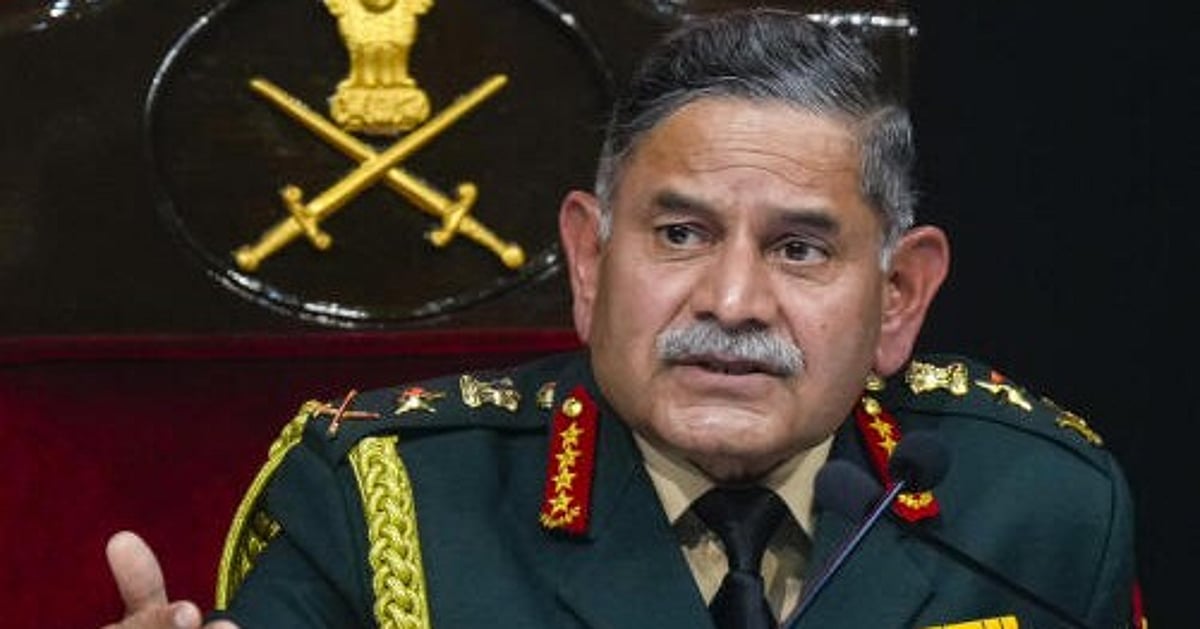
On March 9, 2026, the Indian government’s fact-checking body, PIB Fact Check, issued a warning regarding a digitally manipulated video purportedly featuring Indian Army Chief General Upendra Dwivedi. The video, which has been circulating among Pakistani propaganda accounts, contains false claims related to India’s military obligations during a recent incident involving an Iranian vessel in international waters, potentially linked to Israeli strategic interests.
The video in question misrepresents comments attributed to General Dwivedi, suggesting that India had a duty to respond militarily as the Iranian ship crossed these waters. Such fabrications are increasingly becoming a tool for misinformation, particularly in politically charged contexts where military and diplomatic relations are tense. The spread of deepfake technology has raised significant concerns among governments and social media platforms regarding the integrity of information disseminated online.
This incident highlights the growing sophistication of disinformation campaigns and their potential implications for regional stability. As digital manipulation tools become more accessible, the risk of misleading content influencing public opinion and geopolitical perceptions escalates. The Indian government’s swift response underscores the importance of verifying information, especially when it involves sensitive topics like national security.
Digital manipulation has been a concern for some time, but the emergence of deepfake technology has amplified these fears, allowing for increasingly realistic and potentially harmful content. In recent years, various governments and organizations have been grappling with how best to combat the spread of such misinformation, balancing free speech with the need to maintain public trust in legitimate sources of information.
As countries navigate these challenges, the role of social media platforms becomes critical. The algorithms that govern content distribution often prioritize sensational material, which can inadvertently promote misleading narratives. In light of this, platforms are under pressure to enhance their monitoring and fact-checking capabilities in order to mitigate the impact of disinformation.
Moreover, the international community has begun collaborating on initiatives to address the risks posed by deepfakes and similar technologies. Efforts include developing more advanced detection tools and implementing educational campaigns aimed at increasing public awareness about how to identify misleading content. Such initiatives are vital, particularly in regions where media literacy may be lacking.
In this context, the incident involving General Dwivedi serves as a cautionary tale regarding the potent combination of technology and misinformation. As political tensions escalate in various parts of the world, the potential for manipulated media to exacerbate conflicts grows ever more significant. The need for vigilance and critical media consumption has never been more urgent.
The PIB Fact Check’s alert is not just a response to a single incident but part of a broader, ongoing effort to combat misinformation in an increasingly digital world. As governments and organizations strive to protect their narratives, the challenge of maintaining truth in an era of manipulation will continue to be a crucial battleground in the realm of international relations.
See also NVIDIA Launches AIConfigurator to Optimize LLM Serving with 38% Performance Boost
 Pictory Launches Fastest AI Video Generator for Commercial Use with Minimal Skills Needed
 OpenAI’s GPT-4 Powers 80% of Social Media Feeds, Transforming Content Creation Landscape
 GoldenDoodle AI Launches Trauma-Informed Image Generation for Nonprofits and Mission-Driven Teams
 AI Misinformation Erodes Trust as Synthetic Media Threatens Authentic Communication