








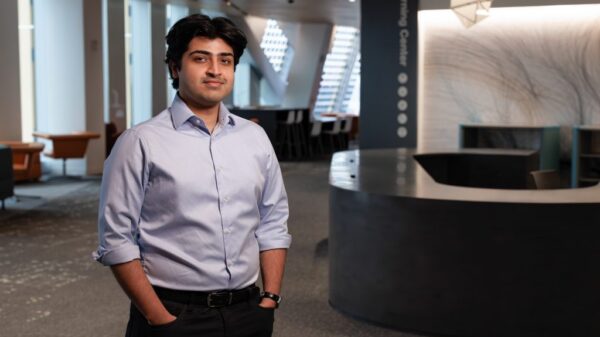






























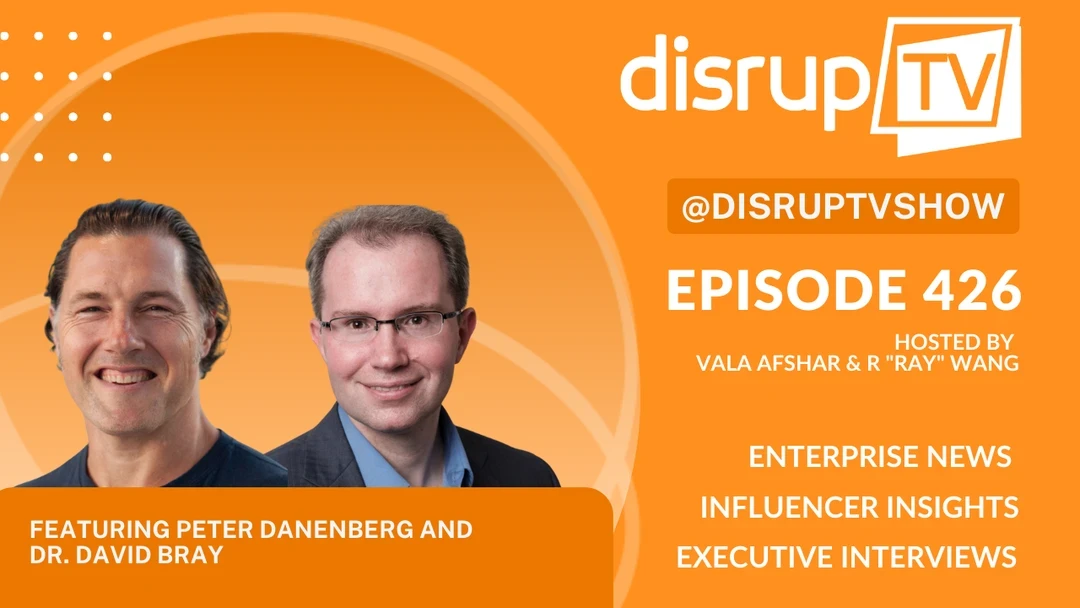
In a recent episode of DisrupTV, co-hosts Vala Afshar, Chief Evangelist at Salesforce, and R “Ray” Wang, CEO and Founder of Constellation Research, engaged in a crucial discussion that melded the themes of artificial intelligence (AI), critical thinking, and geopolitical risk. The conversation featured insights from Peter Danenberg, Distinguished Software Engineer at Google and a pivotal figure behind the Gemini AI platform, along with Dr. David Bray, Distinguished Chair at The Stimson Center and CEO of LDA Ventures. Together, they examined how multimodal AI and community-driven innovation are emerging as vital assets for leaders in the Age of Intelligence.
Diving into the core of Google’s Gemini AI platform, Danenberg provided an insider’s view of its capabilities, including features such as Code Canvas and Computer Use, which extend AI functionalities beyond traditional chat interfaces into practical, real-world workflows. A key aspect of Danenberg’s approach is community engagement; what began as a small gathering of 20 participants has burgeoned into a vibrant forum of over 600 developers and AI practitioners. These meetups not only serve as technical demonstrations but also establish a feedback loop that channels user insights back to Google’s leadership, a model Danenberg believes is essential for developing effective AI tools.
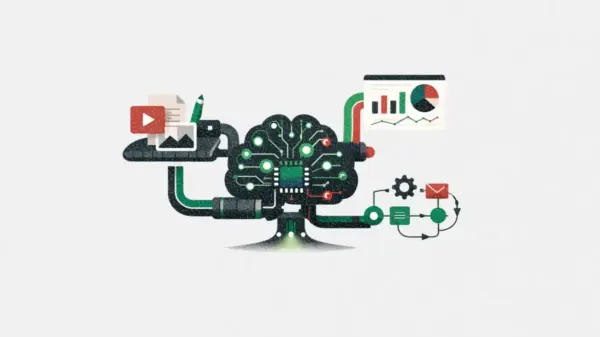
Looking toward the future, Danenberg highlighted the transition to multimodal and ambient AI systems that can process text, images, and contextual signals simultaneously, enhancing human activities rather than supplanting them. He emphasized that these systems are designed to augment human decision-making, creativity, and problem-solving. The challenge lies in ensuring that users remain active participants rather than passive consumers of AI-generated outputs. His experiments with Socratic-style AI environments reflect this ethos, aiming for AI to ask more thought-provoking questions instead of merely providing quicker answers.
Shifting the conversation, Dr. Bray addressed the geopolitical and cybersecurity challenges that organizations face in today’s complex landscape. With global supply chains increasingly fragmented and nation-state actors weaponizing AI, businesses must reassess their risk management strategies. Bray pointed out that AI-driven cyber threats now operate at unprecedented speeds, necessitating adaptive defenses that go beyond traditional, static security models. He asserted that understanding AI risks has become an enterprise-wide concern, touching on legal, operational, and reputational aspects.
An essential part of Bray’s message was the imperative for board and executive awareness regarding AI. He underscored the need for closer collaboration among Chief Information Officers (CIOs), Chief Information Security Officers (CISOs), and General Counsel, especially for companies operating across borders. Boards must grasp not only where AI is deployed but also how geopolitical shifts can exacerbate technical vulnerabilities.
Despite the inherent risks, both Danenberg and Bray conveyed optimism about the future. They agree that organizations that excel in human–AI collaboration will have a competitive advantage. Danenberg envisions AI systems that aid companies in modeling worldviews and anticipating risks, thereby enriching human foresight rather than automating it away. Bray supported this outlook, noting that resilience is derived from leveraging machine-scale intelligence alongside human judgment and ethical considerations.
This episode of DisrupTV underscored several pivotal insights. First, AI is evolving beyond mere chat functionalities, advancing into multimodal, ambient systems integral to daily workflows. Community-driven AI development is fostering rapid innovation and practical adoption. Moreover, the preservation of critical thinking is essential, necessitating intentional AI design rather than blind automation. As geopolitical risks intertwine with AI security, particularly for global enterprises, fostering human–AI collaboration emerges as a defining advantage in the current technological landscape.
In conclusion, the episode made a compelling case for the thoughtful integration of AI with human expertise and organizational culture. As Vala Afshar and R “Ray” Wang concluded, leaders who prioritize community engagement, critical thinking, and contextual intelligence will not only keep pace with AI developments but actively shape its transformative impact on business and society. In a world characterized by rapid technological change and geopolitical uncertainty, the concept of “intelligence with intention” may represent the most crucial innovation of our time.
See also Adobe Showcases Generative AI’s Impact on Filmmaking with New Shorts at Sundance
 California Passes Landmark AI Regulation: Transparency Act Sets Global Precedent
 Google Launches Project Genie, Enabling AI-Generated 3D Worlds for $250/month Users
 KLCI Launches Rafiki X, Enhancing Africa’s AI Career Counseling to Over 9,300 Users
 Elon Musk’s AI-Generated Sydney Sweeney Video Sparks Digital Consent Controversy