




















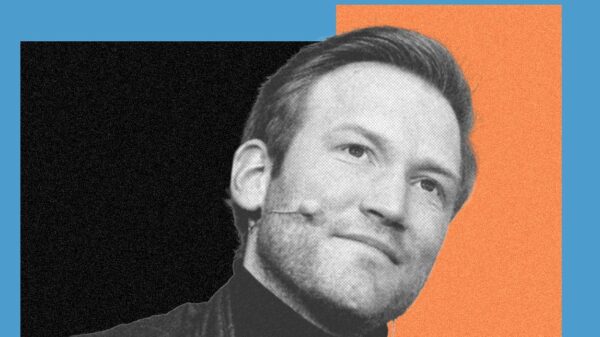

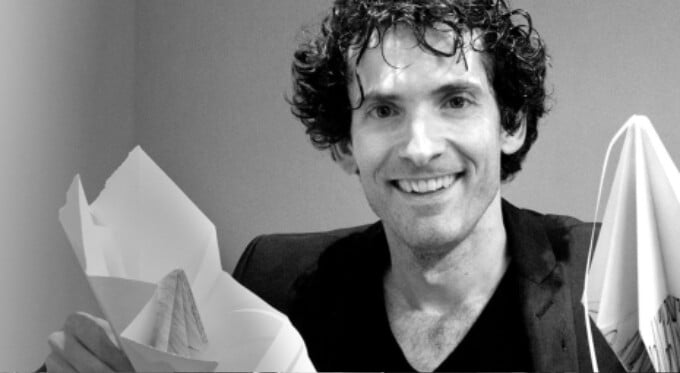
Javier Ideami, a prominent voice in the global conversation on artificial intelligence and creativity, recently discussed the transformative potential of AI for creative industries. In an exclusive interview with the SpeakOut Speakers Agency, Ideami expounded on how AI acts as a powerful creative partner, likening its capabilities to a “super subconscious” that enhances human potential.
“AI is a powerful tool in the creation process because it taps into what can be interpreted as a super subconscious,” Ideami stated. He emphasized that while humans have limited time to absorb experiences, AI is trained on vast amounts of data from the internet, acting as an almost infinite reservoir of ideas. “AI operates with efficiency and it doesn’t get tired like us. It tirelessly generates possibilities, ideas, content, and solutions to accelerate the creative process far beyond what we can achieve on our own,” he added.
The concept of the “super subconscious” reflects Ideami’s belief that AI has mastered fast-thinking capabilities while still falling short in methodical, analytical reasoning, known as system two thinking. “So, it’s a beautiful blend between the AI and us,” he remarked, highlighting the collaborative nature of human and AI interaction in creative endeavors. This partnership allows for personalization at an unprecedented scale, which enhances engagement and drives innovation.
Looking ahead, Ideami predicts significant changes in the creative industries over the next decade. He noted that AI and generative technologies are set to extend the diversity of outputs and create new roles within the sector. “Creative industries are going to undergo very big changes,” he asserted, suggesting that increased automation would not only handle routine tasks but also free up time for more innovative endeavors that creatives enjoy. As such, the demand for system two thinking will increase, shifting skill requirements toward deeper, analytical reasoning.
Ideami highlighted the importance of integrating AI into existing workflows, pointing out that companies will be focused on this integration over the next few years. Additionally, he mentioned the concept of digital twins, which could enhance the longevity of creative professionals by allowing their output to evolve over time, even when they are not actively working. “Creative professionals have limited energy and time, but AI can allow their output to continue evolving over time,” he explained.
The ethical considerations surrounding generative AI remain a significant area of concern. Ideami remarked that discussions about legal issues, copyright, bias, transparency, and responsible use are imperative as the technology becomes more integrated into creative fields. “I often speak about the ethical ramifications of this technology,” he noted, underscoring the necessity for a thoughtful approach to AI’s integration in creative industries.
Ultimately, Ideami believes that AI will revolutionize the way companies deliver personalized content, leading to far more engaging consumer experiences. “AI will introduce novel techniques, styles, and mediums, expanding the boundaries of creative expression and opening up entirely new possibilities for the future of the industry,” he concluded. As creatives and professionals adapt to these changes, the next decade promises to be one of profound transformation within the creative economy.
See also Agents Surge in 2025: OpenAI and Anthropic Lead AI’s Evolution with New Protocols
 Research Evaluates AI Definition Accuracy Using Cosine Similarity Metrics Across GPT Models
 Yann LeCun Slams LLMs as ‘Dead End’ for Superintelligence, Advocates for World Models
 AI Model Framework Enhances Hypertension Education with Multi-Layer Retrieval System
 Learn to Identify AI-Generated Images to Avoid Online Scams and Misinformation