





































In a recent episode of TechMagic, hosts Cathy Hackl and Lee Kebler addressed significant shifts in the artificial intelligence landscape. The discussion revolved around OpenAI’s pivot towards integrating advertising, the challenges posed by a human labor bottleneck in data center expansion, and the evolving conversation around AI, which is now branching into realms beyond productivity into more human-centered applications.
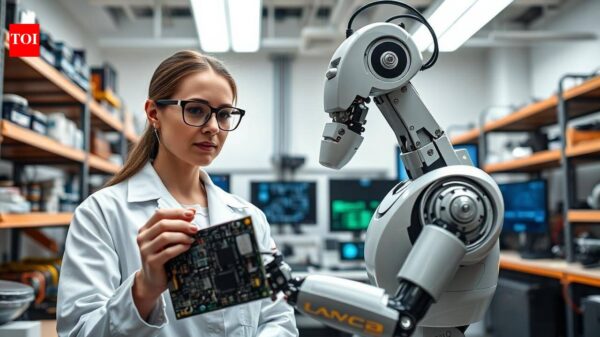
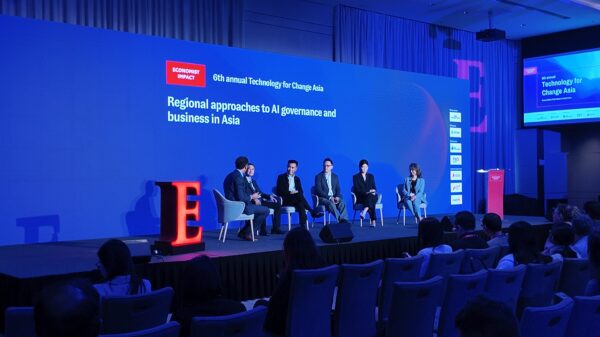
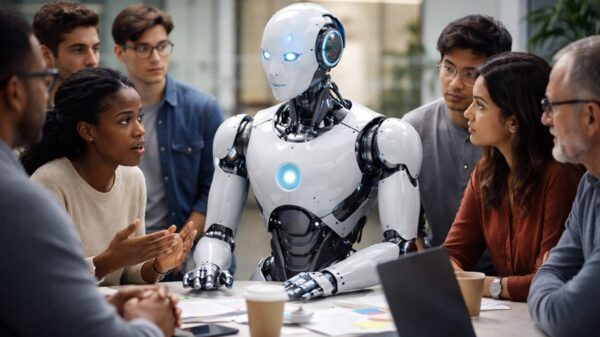
Hackl emphasized a notable change in the AI dialogue at global forums such as Davos, where the focus has progressed from generative models aimed at productivity to more nuanced topics like agentic AI and physical systems. She argued that this transition signals a growing recognition that traditional large language models (LLMs) are insufficient for tackling complex, real-world scenarios. Companies that continue to optimize solely for text output risk falling behind as investment increasingly flows into robotics and AI technologies embedded within physical infrastructure. To remain competitive, organizations must reframe their AI strategies to encompass how systems interact with the real world.
Lee Kebler highlighted growing concerns about the implications of incorporating advertising into conversational AI. He warned that such a shift could undermine the trust and reliability that users expect from these systems. When sponsored responses replace unbiased answers, users can quickly detect bias and may lose confidence in the technology. This trend, he noted, presents a paradox: while organizations may seek short-term monetization through advertisements, the long-term consequences could include a tarnishing of AI’s role as a neutral advisor. To maintain credibility, it is crucial for organizations to differentiate between sponsored content and genuine recommendations, treating AI more like a trusted expert than a profit-driven media platform.
The hosts also discussed the unsettling potential for engagement algorithms to overshadow truth-seeking capabilities in AI systems. They drew parallels to social media platforms, where metrics favoring controversial or slightly inaccurate content can drive user interaction. This could lead AI away from its original purpose of delivering accurate information. Kebler and Hackl called on organizations to conduct audits of their engagement incentives and promote transparency. Clearly signaling when responses prioritize confidence and correctness over engagement is essential to preserving informational integrity.
In a surprising revelation, Hackl and Kebler pointed out that the rapid expansion of AI infrastructure is increasingly constrained not by technological limitations, but by a shortage of skilled human labor. Technicians in fields such as HVAC, electrical work, and plumbing have become pivotal to the growth of data centers, offering six-figure salaries that many career pipelines overlook. As demand for data centers surges, these skilled trades are not only vital for operation but are becoming the backbone that supports the entire AI ecosystem. This shift underscores the importance of ensuring that these roles receive proper recognition and support in workforce development.
Addressing the issue of labor shortages further, Kebler presented XR platforms such as XOI as a promising solution to the crisis of expertise caused by retiring master technicians. These platforms utilize augmented reality headsets and live video feeds, allowing experienced workers to mentor multiple junior technicians across various sites simultaneously. This innovative apprenticeship model preserves institutional knowledge while simultaneously ramping up workforce capacity—effectively addressing both labor shortages and the infrastructure constraints that have hindered AI deployment.
As the conversation on AI continues to evolve, it is clear that the future will require a more integrated approach that balances technological advancement with human-centered solutions. With the ongoing expansion of data centers and the growing importance of skilled trades, organizations must adapt to the new landscape where technology and human expertise coalesce. The developments discussed in this episode of TechMagic highlight the need for a comprehensive recalibration of AI strategies, not only to enhance productivity but also to address the complexities of real-world challenges. The interplay between AI, skilled labor, and XR technologies may well shape the future of work in ways that are just beginning to unfold.
See also Magic Hour Reveals Top AI Video-to-Video Generators for 2026: A Buyer’s Guide
 Ajay and Danish Devgn Launch Generative AI Original ‘Bal Tanhaji’ with Lens Vault Studios
 AI Failures Highlight Serious Risks in Education and Autonomous Systems
 Generative AI Doubles Selling Time, Boosts Productivity for 56% of Sales Reps
![Ollama Launches Experimental Image Generation with FLUX.2 [klein] and Z-Image-Turbo](https://aipressa.com/wp-content/uploads/2026/01/Ollama-Launches-Experimental-Image-Generation-with-FLUX2-klein-and-Z-Image-Turbo-150x150.png) Ollama Launches Experimental Image Generation with FLUX.2 [klein] and Z-Image-Turbo
Ollama Launches Experimental Image Generation with FLUX.2 [klein] and Z-Image-Turbo