











































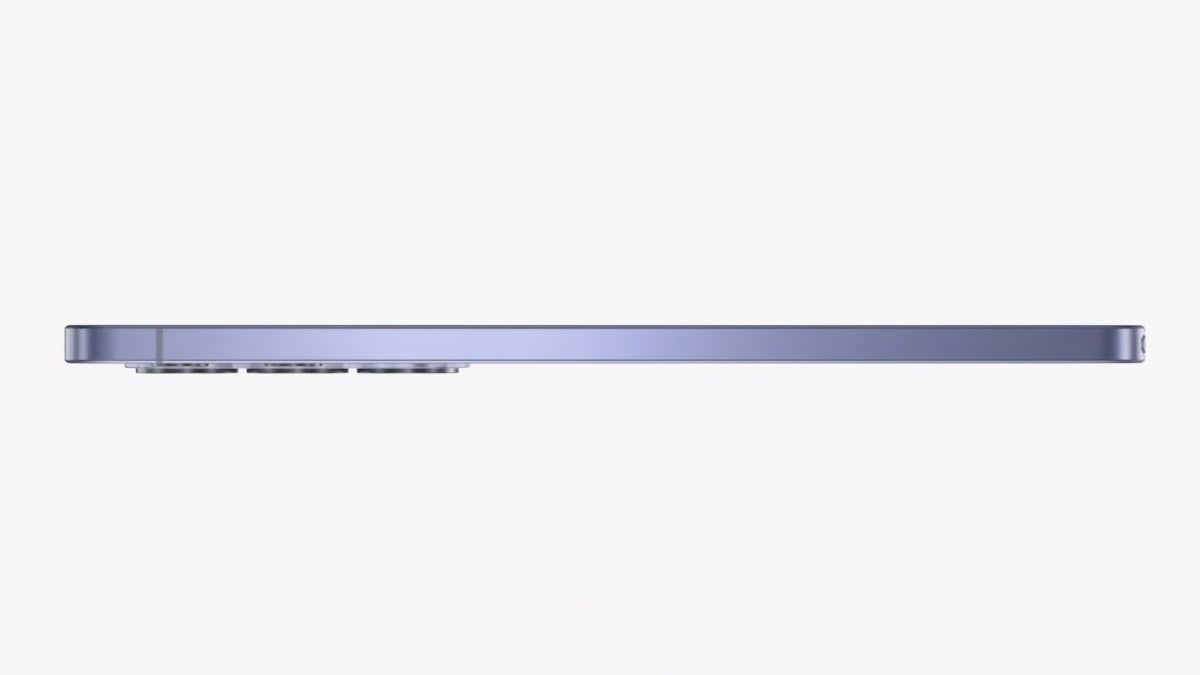
Samsung unveiled a suite of innovations during its Galaxy Unpacked event, highlighting the new Galaxy S26 smartphones alongside an array of advanced AI features. A significant focus was placed on the revamped photo app, which now incorporates a new Creative Studio designed to streamline the multimedia content creation process, allowing users to capture, edit, enhance, and generate images all within a single interface.
The Creative Studio’s AI capabilities include the ability to seamlessly blend real photographs with AI-generated elements. Samsung has taken precautions to address potential misuse of this feature by tagging images that contain AI components. As announced, these photos will carry a visible label designating them as “AI-generated content,” positioned prominently in the bottom corner of the image.
This move to incorporate AI labeling is a response to growing concerns surrounding misinformation and the misuse of AI-generated imagery, which has been weaponized by malicious actors in various contexts. While the label may provide some reassurance to users, questions remain regarding its effectiveness as a deterrent against manipulation. Reports suggest that the watermark can be easily removed by cropping, and tutorials exist that instruct users on how to erase these AI tags using prior Samsung AI tools.
In contrast to Samsung’s approach, other AI tools, such as OpenAI’s Sora and Google’s Veo 3, have implemented watermarks in video content that are more challenging to eliminate. Ideally, advancements in AI detection would include invisible digital watermarks, like Google’s SynthID, which would provide a more secure method of identifying AI-generated content.
Samsung has partnered with Google to leverage its AI model, Gemini, along with its Nano Banana AI-image generation model for developing these features. However, it remains unclear whether images created with Samsung’s tools will incorporate SynthID technology for additional AI detection. As it stands, the auto-tagging feature represents a pragmatic step toward mitigating the risks associated with deepfake technology.
The introduction of these capabilities reflects a broader trend within the tech industry, as companies scramble to establish responsible frameworks for AI’s integration into everyday applications. With the rapid advancement of generative AI technologies, businesses are increasingly under pressure to ensure that their tools are used ethically and transparently. Samsung’s initiative to label AI-generated content is a notable attempt to create accountability, even as the company acknowledges the limitations of its current solutions.
Looking ahead, as the landscape of AI tools continues to evolve, the question of how to effectively manage and regulate AI-generated content will persist. The balance between innovation and ethical usage will be critical for both consumer trust and the broader implications for digital content verification. With the stakes higher than ever, Samsung’s efforts at Galaxy Unpacked may represent just the beginning of a necessary dialogue about the responsibilities that come with such powerful technologies.
See also Google Unveils Redesigned Flow Tool with Enhanced Image and Video Editing Features
 OpenAI’s ChatGPT Co-Authors First Physics Paper, Sparking Debate on AI in Research
 MIT’s New TLT Method Doubles LLM Training Speed While Preserving Accuracy
 AI Detection Tools Struggle to Identify Deepfakes, Reveals New Testing Findings
 Google Launches Nano Banana 2 with 4K AI Image Generation and Enhanced Text Clarity