






















































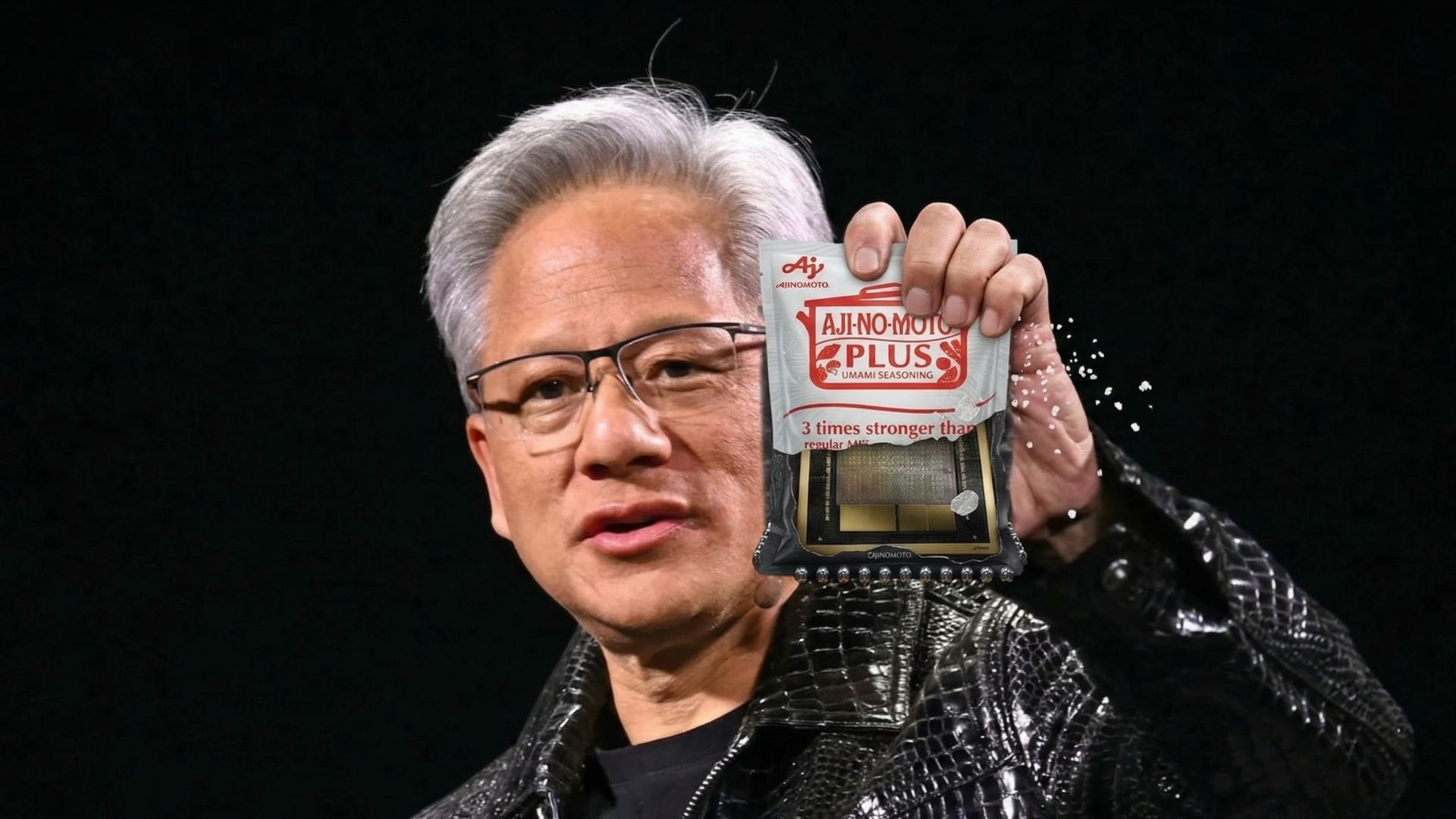
The surging demand for artificial intelligence (AI) technologies is placing unprecedented pressure on supply chains, particularly in semiconductor manufacturing. A critical component in this landscape is the Ajinomoto Build-up Film (ABF), produced by the Japanese company Ajinomoto, traditionally known for food seasoning. The company’s pivotal role in the production of ABF underscores a significant bottleneck in the advanced packaging supply required for high-performance AI chips.
The aggressive expansion of AI infrastructure has pushed the limits of demand cycles that the computing industry previously managed with relative ease. Companies across the supply chain are grappling with shortages, not only in semiconductors but also in essential elements like advanced packaging and outsourcing assembly and test (OSAT) services. The shift towards AI datacenters has introduced complexities in forecasting demand, leaving suppliers struggling to keep pace and often resorting to price hikes as a short-term solution.
ABF serves as a thin insulating film that acts as a crucial link between silicon chips and printed circuit board (PCB) connections. This component is essential for enabling high input/output (I/O) density and preserving signal integrity at multi-gigahertz frequencies, which is vital for advanced chips such as NVIDIA’s Blackwell or Rubin. The increasing complexity and size of these chips have amplified the dependency on ABF, as larger AI accelerators require substantially more layers of the substrate—often between eight to sixteen or more, depending on the final package size.
The intricacies of the ABF supply chain involve several key players, with Ajinomoto Fine-Techno being the primary provider of the film material. Other firms, like Ibiden, manufacture the substrate while companies such as Taiwan’s Unimicron handle the finishing processes. However, Ajinomoto holds a dominant position in this network, as its film is indispensable for the final packaging of AI accelerators.
The supply challenges are not merely a function of production capacity. As the size of AI packages continues to grow, the requirement for ABF layers increases, making it a critical bottleneck. Ajinomoto has sought to boost production, but such expansions come with the risk of overcommitting, resulting in ongoing supply constraints for substrate producers like Ibiden. Moreover, recent manufacturing techniques such as semi-additive patterning (SAP) pose risks to yield rates, further complicating the scaling process.
Recognizing these constraints, hyperscalers—large cloud service providers—have begun prepaying for ABF films and securing long-term contracts with Ajinomoto. This strategy is aimed at ramping up production capabilities to meet the burgeoning demand for AI applications. However, as history has shown, demand cycles often outstrip supply, meaning that not all customers will have their needs met in this constrained market.
Analysts forecast that demand for ABF will continue to grow at double-digit rates annually, with a three-year demand cycle anticipated, which points to sustained supply challenges. While ABF may not be the most frequently discussed element in the AI supply chain, it stands out as a significant bottleneck in the ongoing effort to scale advanced chip packaging. As the industry navigates these complexities, the focus remains on securing reliable supply chains to keep pace with AI advancements.
See also Agentic AI Surge: Top 5 Stocks to Invest in for Future Growth
 AI Infrastructure Investment Surges to $3 Trillion as Meta, Microsoft Expand Aggressively
 Meta AI and KAUST Reveal Roadmap for Completely Neural Computers with New Paper
 Nvidia, TSMC, and Broadcom Report Strong Earnings Amid AI Growth Concerns
 Community Resistance Grows as Data Center Proposals Surge in Archbald, PA















