


















































Andhra Pradesh is launching a pilot program to introduce AI-powered diagnostic tools across 18 government hospitals, with the aim of enhancing early disease detection. The innovations include cough-based tuberculosis (TB) screening, smartphone-based cataract imaging, and non-invasive anaemia testing. Officials assert that these faster, portable diagnostics could bolster primary healthcare, reduce delays in treatment, and expand access to diagnostic services. The results from this pilot will guide decisions regarding the broader implementation of such technologies within the state’s public health system.
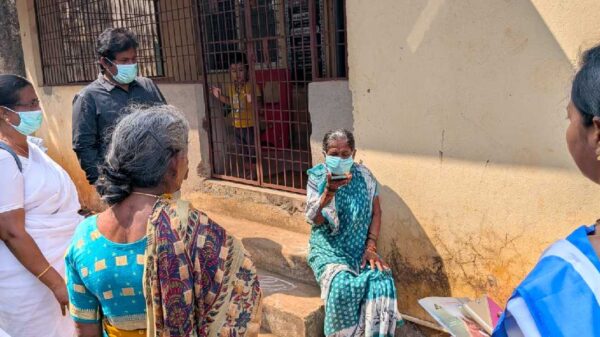
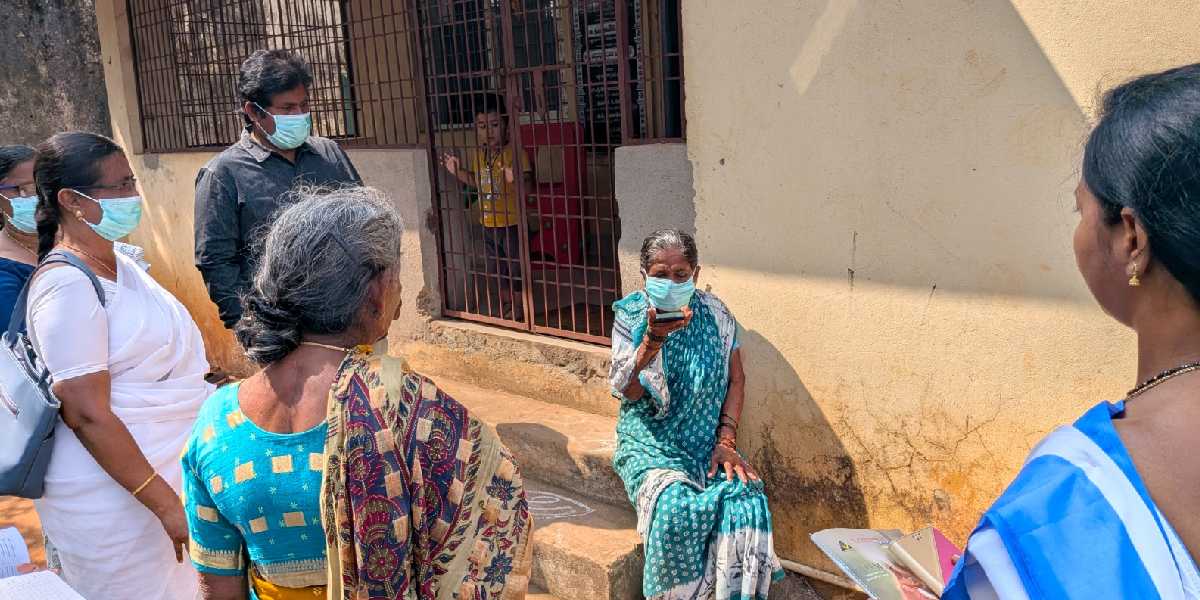
In a notable demonstration at a Primary Health Centre in Chagallu, a woman coughs into a mobile phone while health workers observe. This phone is not just recording; it uses AI to analyze the sound of her cough, identifying patterns indicative of tuberculosis. Such scenes are becoming increasingly common in Andhra Pradesh, where the state health department is deploying a range of AI diagnostics to strengthen disease detection at the grass-roots level.
The pilot project involves 18 innovators deploying approximately 40 AI-enabled devices across various health facilities. “These innovations are expected to help doctors confirm diseases in less time and provide better treatment to patients,” stated the health department, emphasizing that quicker diagnoses can significantly enhance healthcare quality in public hospitals.
Implementation of this program is underway in major hospitals and health centres, including Visakhapatnam, Anantapur, and Vijayawada Government Medical College. The AI tools are designed to screen for diseases at the first point of contact, allowing rapid identification of suspected TB cases without immediate reliance on laboratory diagnostics.
Health officials assert that traditional TB detection often faces delays, particularly in rural areas where diagnostic facilities are scarce. AI-assisted screening can help quickly identify potential cases and facilitate timely referrals for confirmatory testing. “AI-based tools are helping identify suspected TB cases at the first point of contact itself,” the department noted.
Meanwhile, at Government General Hospital (GGH) Guntur, doctors are utilizing smartphone-based AI tools to screen patients for cataracts. This technology captures images of the eye and employs algorithms to detect early signs of lens opacity, allowing for screening even in facilities lacking specialized ophthalmic equipment. “AI-assisted imaging enables early detection of cataracts and helps identify patients who require referral for further evaluation or surgery,” officials commented.
At GGH Paderu, another innovation involves a non-invasive anaemia screening system that estimates haemoglobin levels from images taken by smartphone cameras. This method analyses images of the eye region without the need for blood samples, allowing for quicker screening, especially in remote areas. “Non-invasive haemoglobin estimation allows anaemia screening to be conducted quickly, especially in remote and tribal areas where laboratory facilities are limited,” health officials explained.
The pilot program encompasses various other AI-enabled tools designed to detect heart disease, neurological disorders, and other health conditions. This initiative is part of a broader strategy to enhance public healthcare services through advanced technology. The Andhra Pradesh government called for applications through the AP MedTech Innovation Challenge, receiving 297 proposals from startups and technology developers. After a rigorous evaluation process, 18 innovations were selected for pilot implementation.
The Committee for Applied Technologies in Health (CATH), which includes experts from medical and technological fields, oversaw the evaluation. Health officials indicated that the pilot program aims to assess the accuracy, feasibility, and scalability of these technologies before any decision is made regarding wider deployment.
“The goal is to make quality diagnostic services available to more people in less time by using AI-based healthcare solutions,” the department stated. This initiative, supported by the Ratan Tata Innovation Hub, aligns with the state government’s broader objectives to strengthen technology-driven healthcare services.
Health Minister Satya Kumar Yadav emphasized that these advancements aim to bring “revolutionary changes in healthcare services using artificial intelligence.” The pilot tests currently underway will be evaluated soon, with results to be submitted to the Chief Minister. “The outcomes of these pilot projects will inform how AI-enabled diagnostic tools can be integrated into the public healthcare system on a larger scale,” the department concluded.
If scaled successfully, health officials believe this initiative could significantly transform disease detection in government hospitals and primary health centres, placing early screening closer to communities and reducing reliance on centralised laboratories.
See also Albanese Government Warns AI Labs Like OpenAI to Uphold Australian Values or Face Regulation
 US Government Unveils Stricter AI Contract Rules Requiring “Any Lawful Use” Access
 Hacker Exploits AI Chatbots Claude and ChatGPT to Breach Mexican Government, Stealing 150GB of Data
 AI Technology Enhances Road Safety in U.S. Cities
 China Enforces New Rules Mandating Labeling of AI-Generated Content Starting Next Year